
Restoring Your Vehicle's Finish Through Professional Paint Correction
Key Insights and Takeaways
Professional paint correction is an essential restorative process that completely transforms a dull, scratched vehicle exterior by permanently removing clear coat imperfections. For residents battling the harsh Las Vegas sun and hard water, this intensive service restores a flawless mirror-like finish that standard washing simply cannot achieve. By combining precision compounding with durable ceramic protection, vehicle owners can safeguard their automotive investment for years to come.
* Paint correction mechanically levels the clear coat to permanently remove swirl marks, scratches, and mineral etching.
* Automated washes often cause micro-abrasions, making specialized restorative care necessary for long-term paint health.
* Following correction, applying a robust sealant or ceramic coating is crucial to protect the newly exposed clear coat from extreme Nevada UV rays.
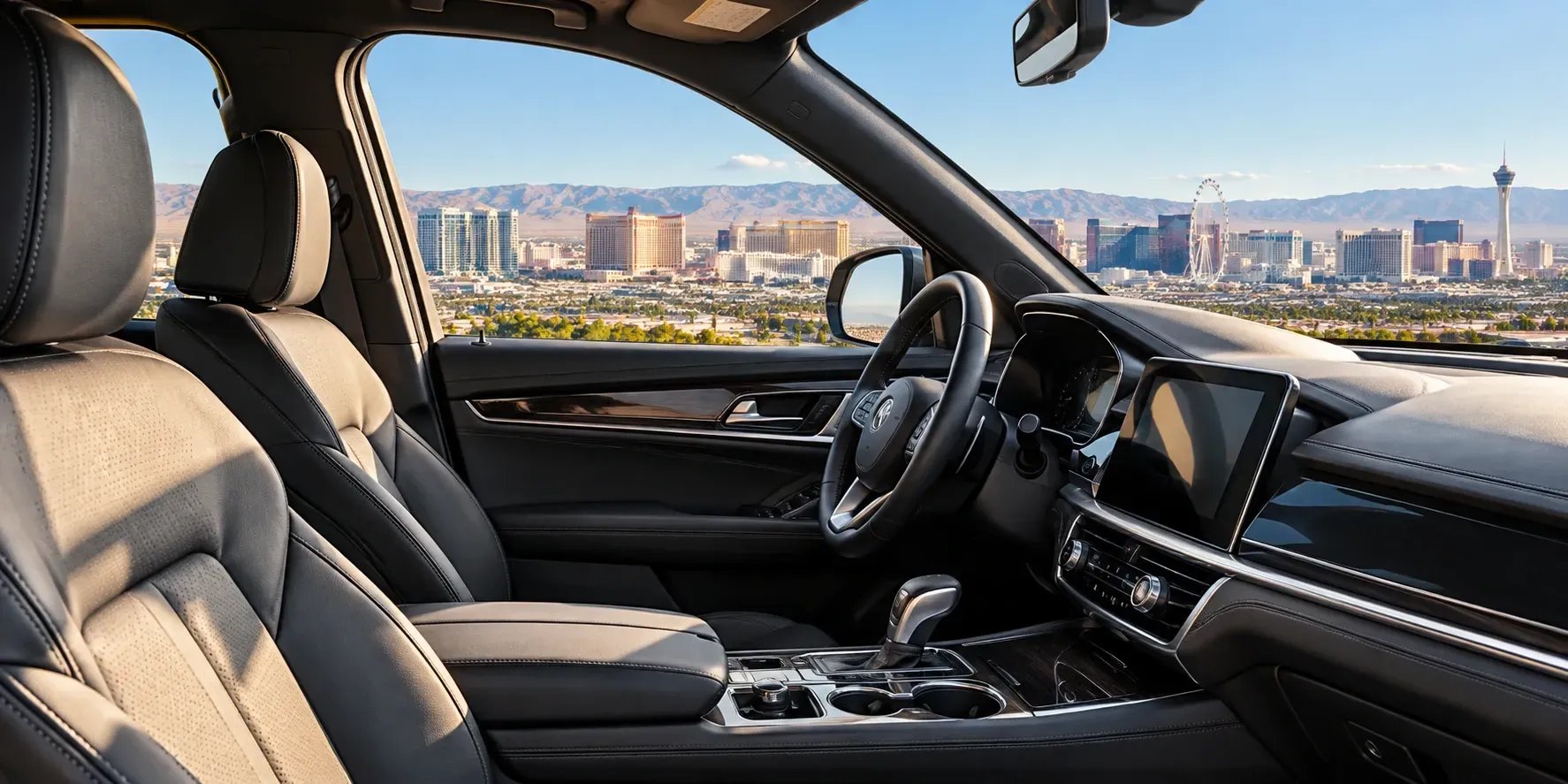
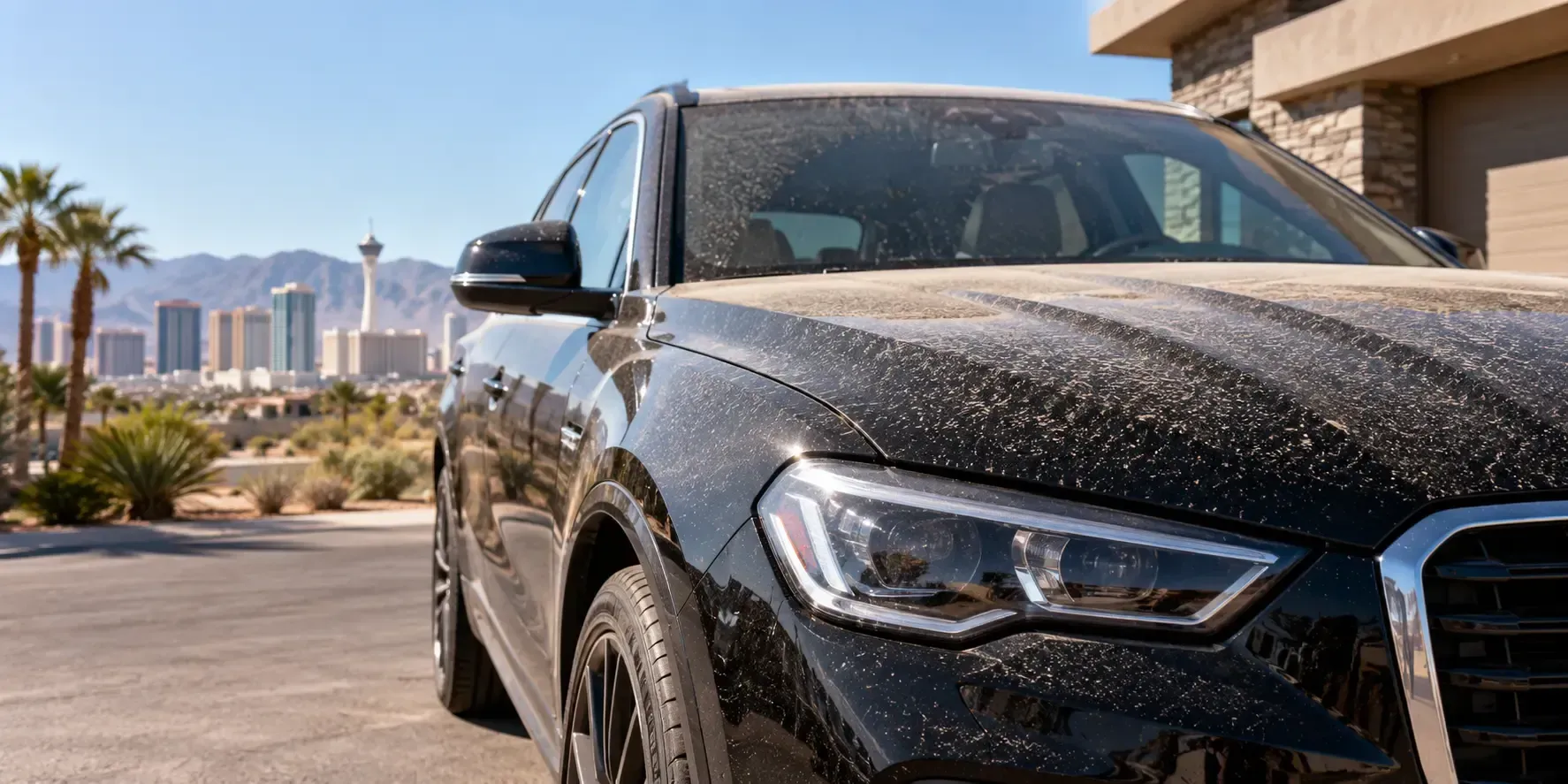
Driving through Las Vegas exposes your vehicle to a unique and unrelenting set of environmental challenges. The intense desert sun bakes the exterior on a daily basis, causing rapid degradation of unprotected surfaces. Fine dust from the surrounding Nevada desert acts like airborne sandpaper, constantly assaulting your clear coat. When the occasional monsoon season arrives, the rain mixes with this dust to create a damaging mud that settles heavily on your vehicle. Over time, these combined elements severely degrade the visual appeal of your car. A simple rinse or a quick detail is no longer enough to bring back that vibrant, showroom shine you once enjoyed.
Moving Beyond Basic Car Wash Services
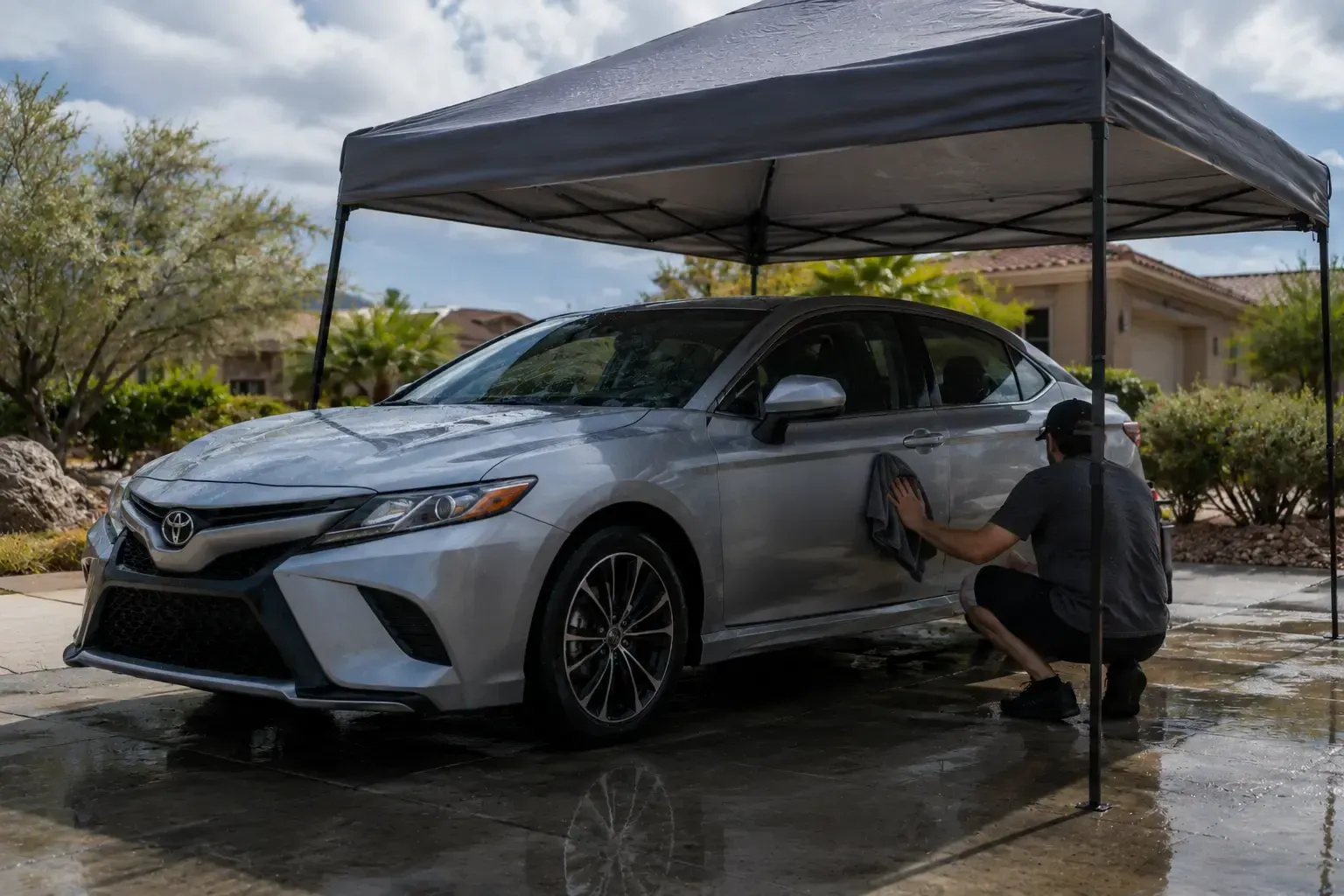
Many vehicle owners mistakenly believe that standard car wash services are entirely sufficient for maintaining their exterior over the long term. While a regular wash is absolutely essential for removing surface dirt and fresh contaminants, it does nothing to repair the microscopic damage already etched into your clear coat.
Relying solely on automated drive-through facilities can rapidly accelerate paint damage. These automated systems frequently use harsh chemicals designed to strip away grime quickly. Unfortunately, these same chemicals strip away any protective wax or sealants you might have applied. Furthermore, the rotating brushes in these facilities slap abrasive dirt from previous vehicles directly onto your car. This violent action introduces thousands of micro-abrasions and swirl marks that drastically dull the reflection of your paint.
If you want to truly rejuvenate your vehicle, you need a specialized, careful approach. At Summerlin Mobile Carwash, we recognize that routine maintenance is only part of the aesthetic equation. Standard wash treatments leave existing defects completely untouched. To fix the physical damage caused by the harsh Las Vegas environment and improper washing, a highly intensive restorative process is strictly required.
Understanding the Anatomy and Science of Paint Correction
To appreciate the value of this service, it helps to understand how modern automotive paint is constructed. Your vehicle features three primary layers over the bare metal or plastic panels. First is the primer, followed by the base coat containing the actual color. Finally, a transparent layer called the clear coat is applied on top. The clear coat provides vital UV protection and gives the vehicle its glossy finish.
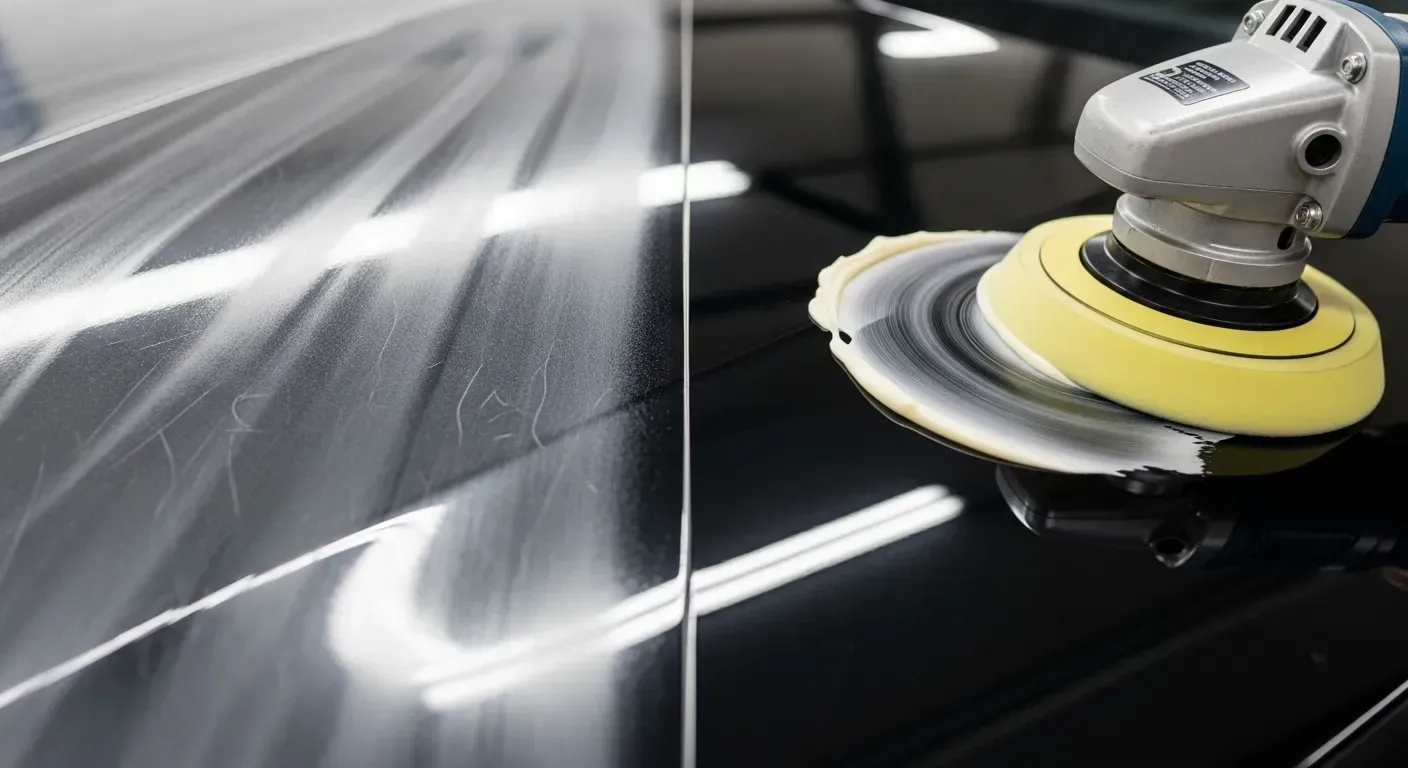
Almost all the minor scratches, swirl marks, and etching you see are located entirely within this top clear coat layer. Paint correction is a mechanical process of leveling this clear coat to completely remove surface imperfections. Unlike cheap glaze products that temporarily fill in scratches to hide them, this technique permanently eliminates the damage.
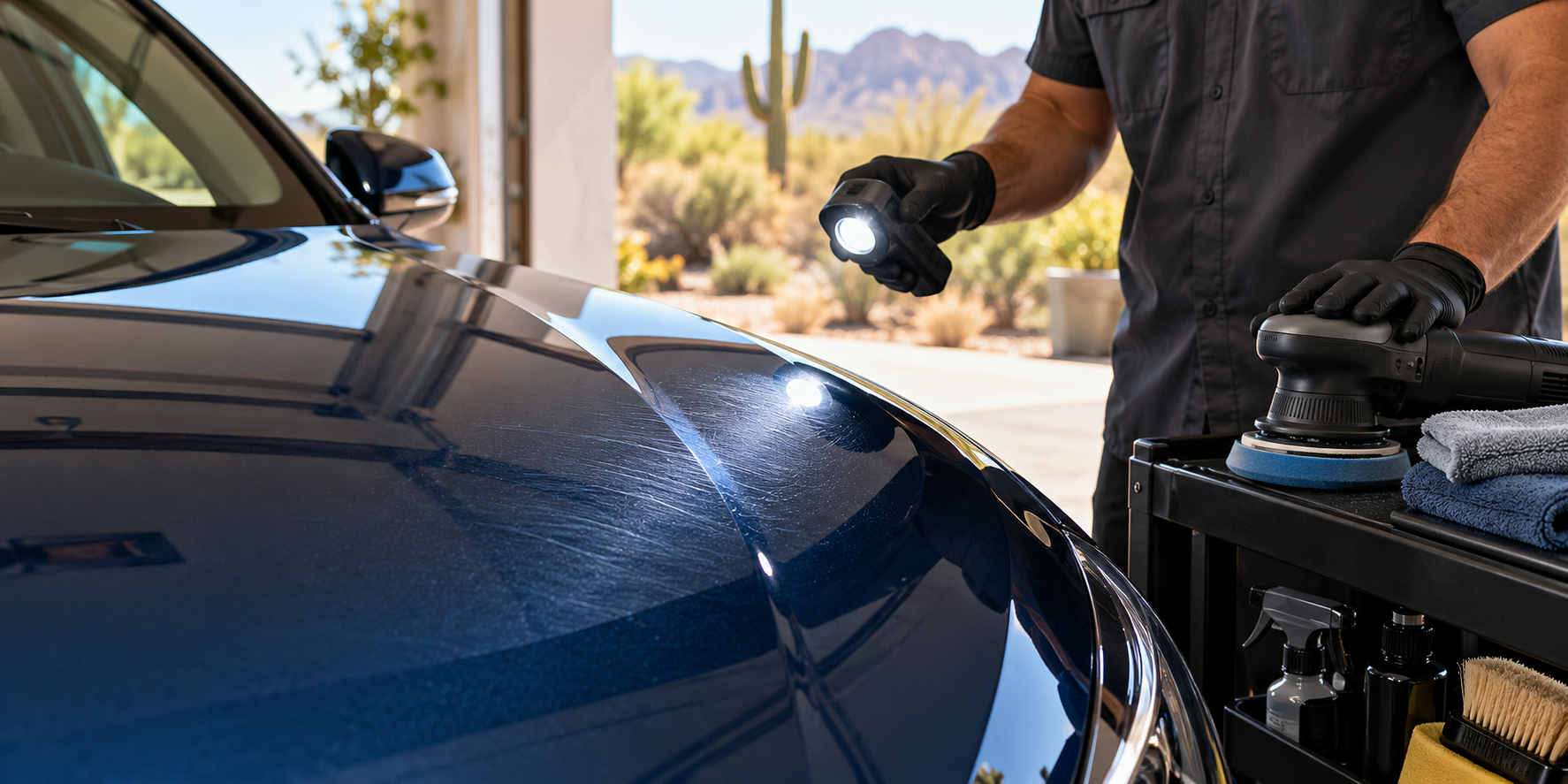
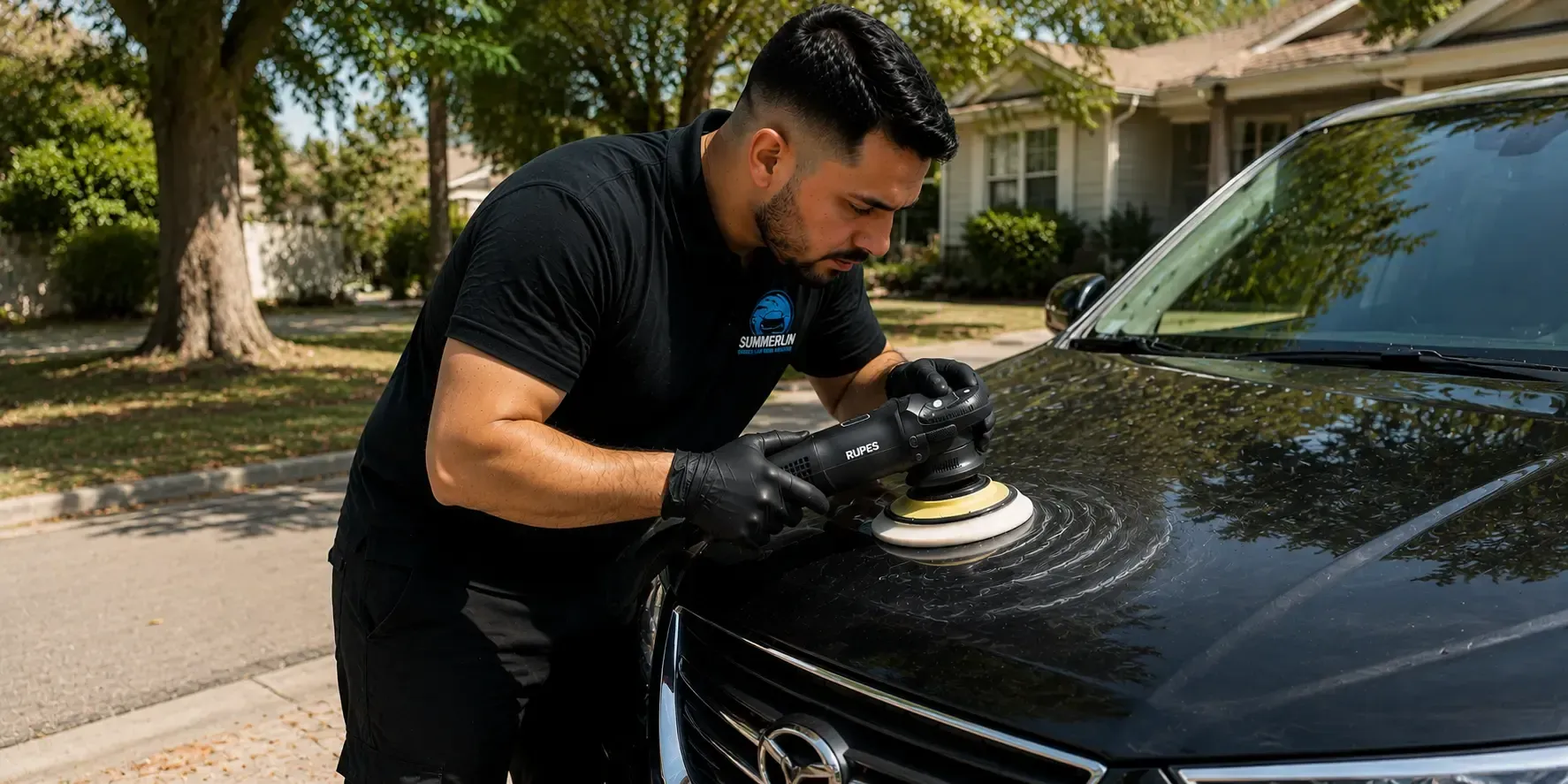
A specialist uses varying grades of abrasive liquid compounds and specialized polishing pads attached to a dual-action machine. The technician gently removes a microscopic fraction of the clear coat to smooth out the jagged edges of the scratches. Light then reflects perfectly off the newly leveled surface, creating a flawless, mirror-like finish.
Executing this process safely requires a deep understanding of automotive paint systems. Choosing the exact right combination of pads and polishes is crucial to achieving perfect results safely. This is precisely why paint correction must be handled by experienced professionals rather than attempted as a weekend project.
Common Defects Eliminated by Professional Correction
Vehicle paint suffers from numerous types of degradation. A professional, multi-stage correction process targets and addresses the most stubborn aesthetic issues that obscure your vehicle's true color.
- Swirl Marks: These are the circular spiderweb patterns visible under direct sunlight. They are overwhelmingly the result of improper hand washing techniques or automated wash tunnels.
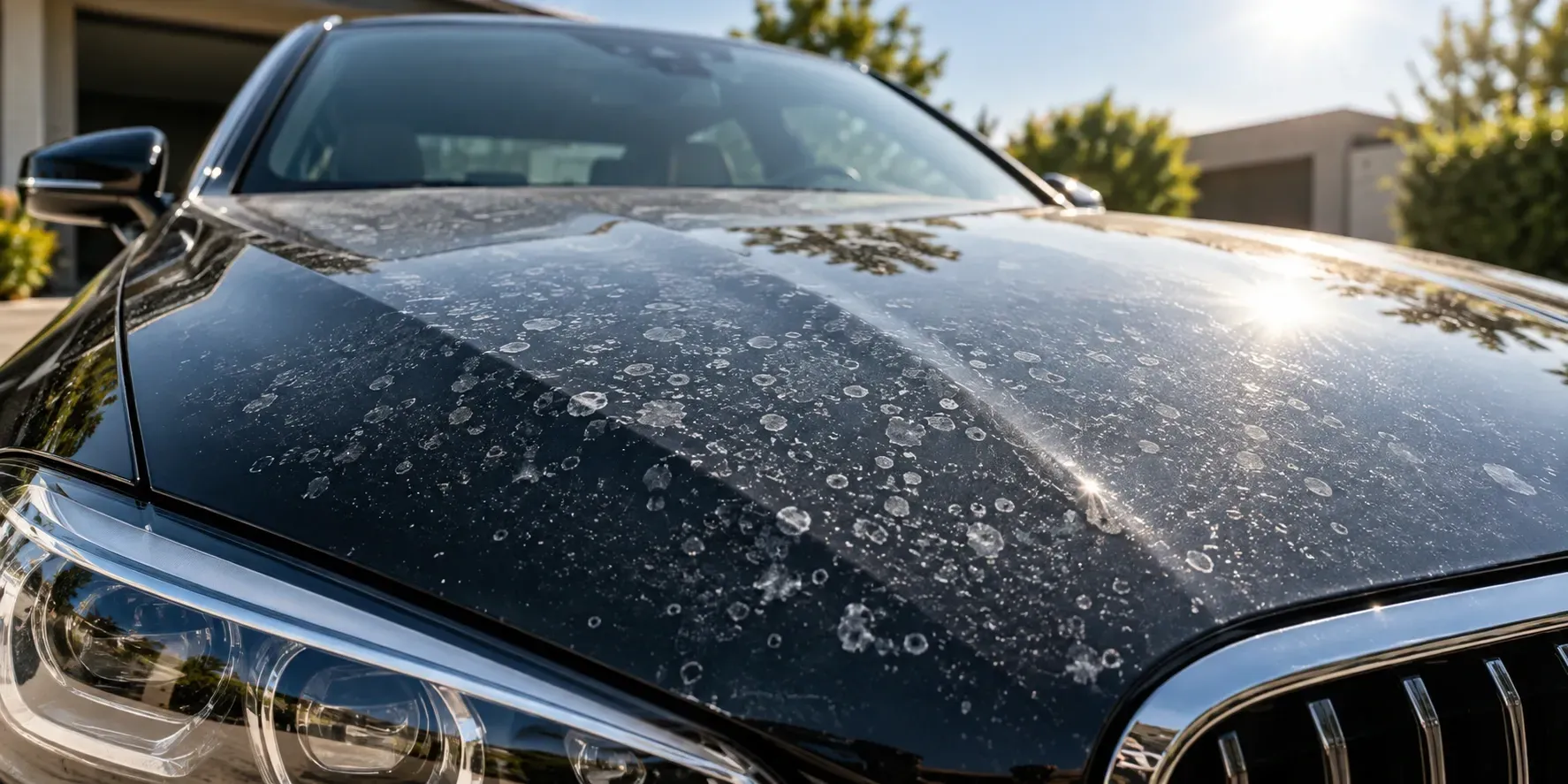
- Water Spots: The hard water prevalent throughout Las Vegas contains extremely high levels of calcium and magnesium. When this water dries on a warm surface, the minerals bake and etch deep into the clear coat.
- Isolated Scratches: Everyday wear naturally introduces random abrasions. While severe damage penetrating the color coat requires targeted scratch removal techniques, light to moderate scratches are leveled flawlessly during compounding.
- Oxidation: Constant exposure to intense Nevada UV rays causes the clear coat to degrade, dry out, and turn cloudy. Polishing removes this dead layer and restores deep clarity.
- Chemical Etching: Bird droppings and crushed bug splatter contain highly acidic compounds. If left on the paint baking in the Vegas heat, they quickly eat into the finish.
Just as heavily oxidized lenses require dedicated headlight restoration to improve nighttime visibility, degraded body panels require targeted compounding to restore full optical clarity.

Protecting Your Investment in the Las Vegas Climate
Correcting the paint is a labor-intensive process that completely transforms your vehicle. However, once the clear coat is leveled and perfected, it becomes entirely unprotected. Leaving bare, freshly corrected paint exposed to the harsh Nevada elements is a mistake that leads to immediate re-oxidation.
Applying a robust protective layer is the mandatory final step. Traditional mobile car waxing provides an excellent short-term barrier and a rich, warm glow. Yet, many vehicle owners opt for advanced ceramic coatings following a heavy correction. Ceramic coatings bond chemically with the fresh clear coat. They provide an incredibly durable, hydrophobic shield against UV rays and industrial fallout. Proper protection ensures that the substantial time and effort invested in restoring the surface yields results that last for years.
Evaluating Your Vehicle for Restorative Care
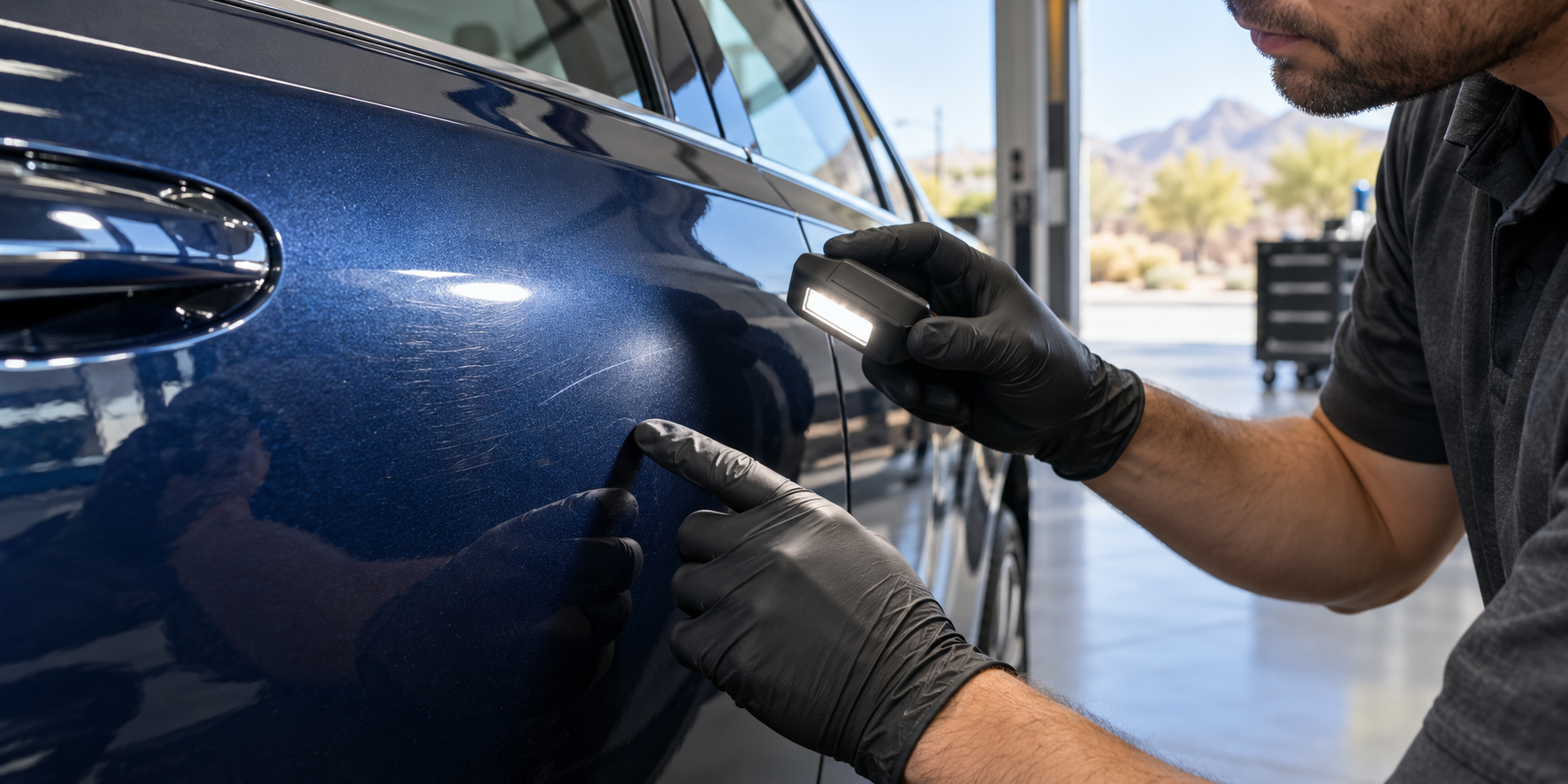
How do you know if your vehicle requires this high level of attention? Inspect your paint closely under direct midday sunlight or using a bright LED inspection flashlight. If you see a web of fine scratches, dull patches, or permanent mineral etching, standard maintenance is insufficient. You are looking at actual physical damage to the clear coat itself.
Taking action early prevents minor surface imperfections from slowly becoming permanent problems. The clear coat acts as the primary defense system for the base color. Keeping it structurally healthy and completely smooth is vital for the longevity of your vehicle's exterior.
Learn more about our team and our steadfast commitment to bringing premium auto care directly to your driveway. We meticulously assess every vehicle individually to determine the safest and most effective approach for restoration. If you are finally ready to completely transform the look of your vehicle and protect its value, please reach out to us to discuss a personalized exterior treatment plan.
Frequently Asked Questions
How long does paint correction take?
The duration of the correction process depends entirely on the initial condition of the vehicle and the desired level of perfection. A single-step gloss enhancement might take four to six hours to complete properly. Conversely, a multi-stage correction aimed at removing deeper, stubborn defects can take anywhere from ten to twenty hours of highly intensive machine polishing.
Will paint correction remove deep scratches?
This process successfully removes surface-level scratches that reside entirely within the upper clear coat layer. If you can physically catch your fingernail in the groove of the scratch, it has likely penetrated completely through the clear coat and into the base color or primer. These much deeper defects require specialized touch-up paint or full body shop intervention rather than standard machine polishing.
How often should I get this treatment done?
Unlike standard washing or seasonal waxing, paint correction is not a routine monthly or yearly maintenance procedure. Because the process physically removes a microscopic layer of your clear coat, it should only be performed when absolutely necessary. With proper hand washing techniques and diligent application of protective ceramic sealants, a single comprehensive correction can easily last for several years.