Paint Correction vs. Polishing: Choosing the Right Finish Service
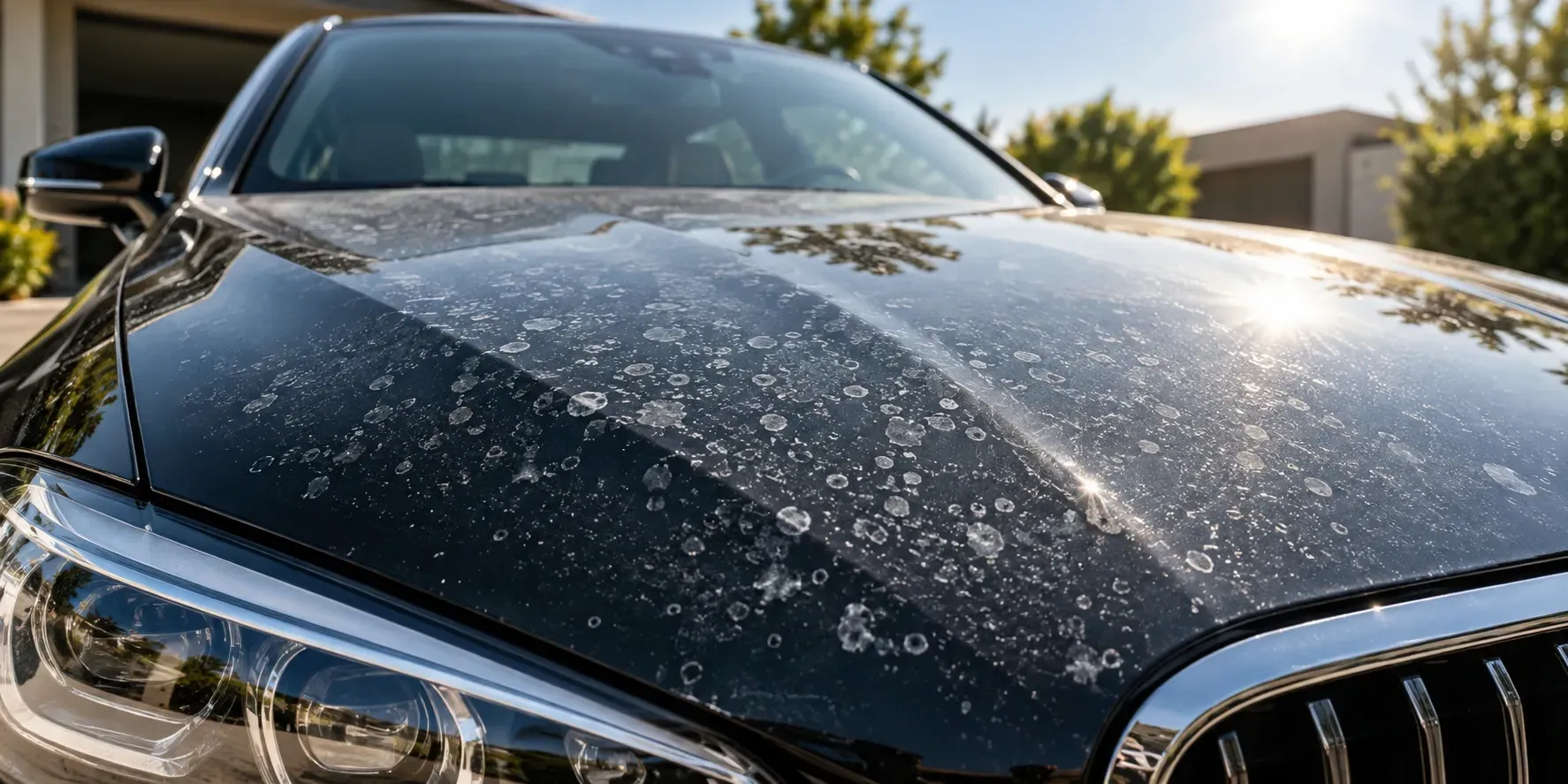
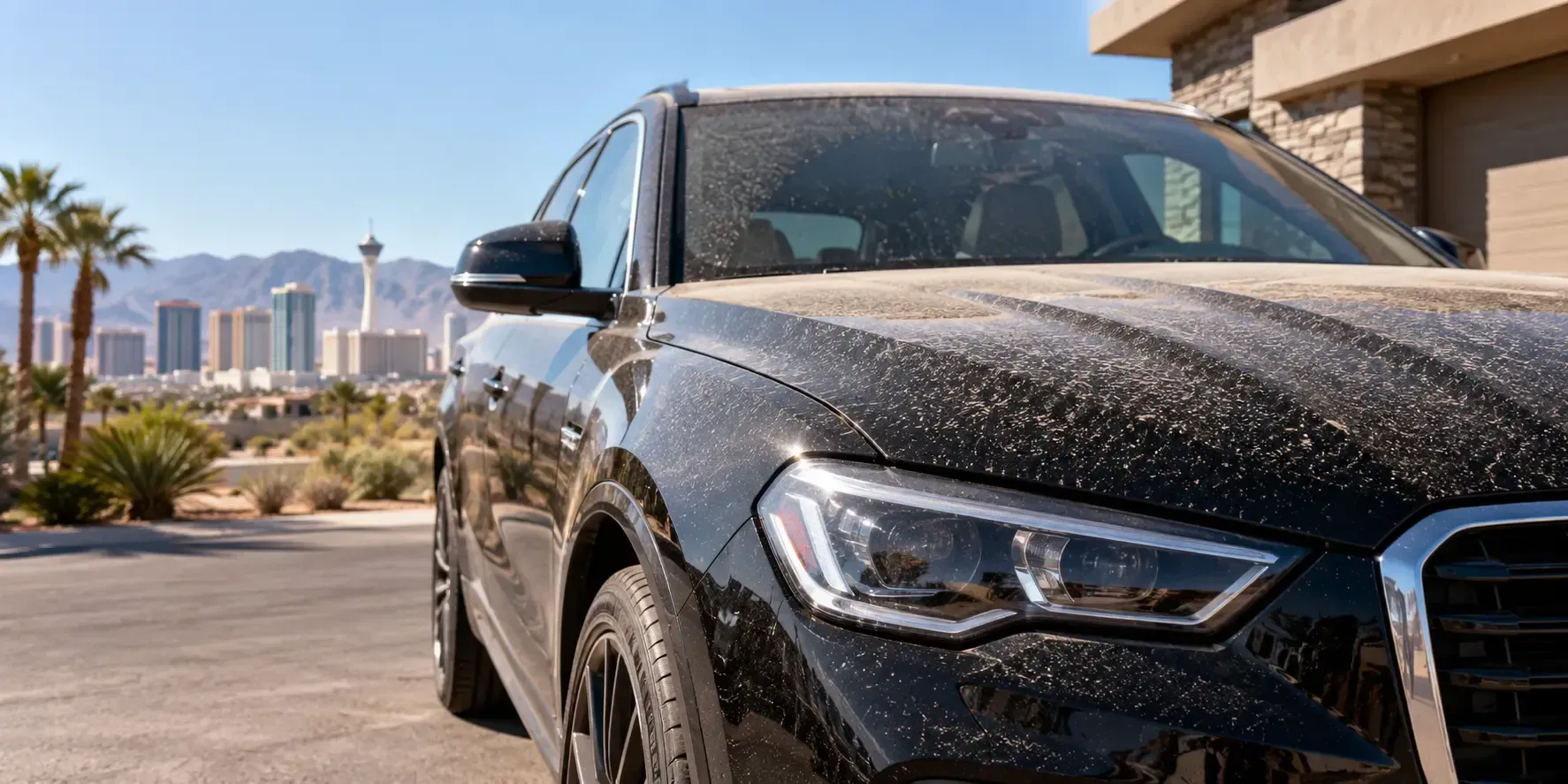
Maintaining a flawless exterior on your vehicle takes ongoing effort. Las Vegas weather is incredibly harsh on clear coats. Intense ultraviolet rays and blowing desert dust quickly dull a shiny exterior. Hard water spots from sprinklers bake into the surface almost instantly. Over time, your car loses that fresh showroom gloss.
When you want to restore that missing shine, you will likely encounter two main options. Detailers frequently talk about auto polishing and paint correction. Many car owners assume these terms mean the same thing. They are actually completely different processes with different goals and price points.
Choosing the wrong service can leave you disappointed with the results. Trusting the experts at LFL Mobile Carwash Of Summerlin Vegas ensures you get the exact treatment your specific vehicle requires. We want to help you understand your options before you book an appointment.
Understanding the Difference Between Paint Correction and Polishing in Las Vegas
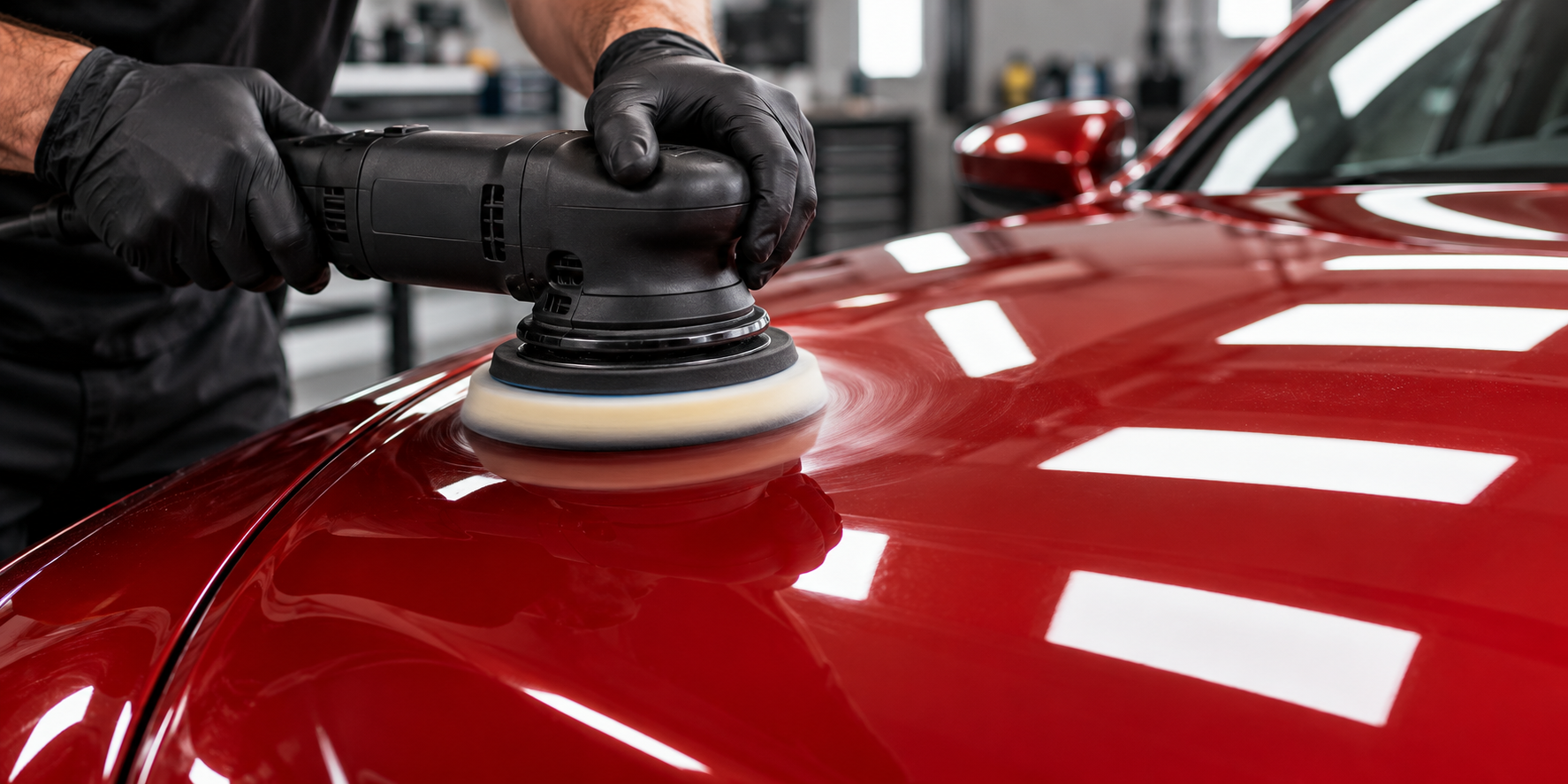
The primary difference between paint correction and polishing in Las Vegas comes down to the depth of the treatment. Both methods use machines, special pads, and liquid compounds. However, they target different layers of clear coat damage.
Your car paint consists of several layers. The bottom layer is the primer. The middle layer is the base color. The top layer is a thick, transparent clear coat. The clear coat provides UV protection and gives the car its glossy appearance.
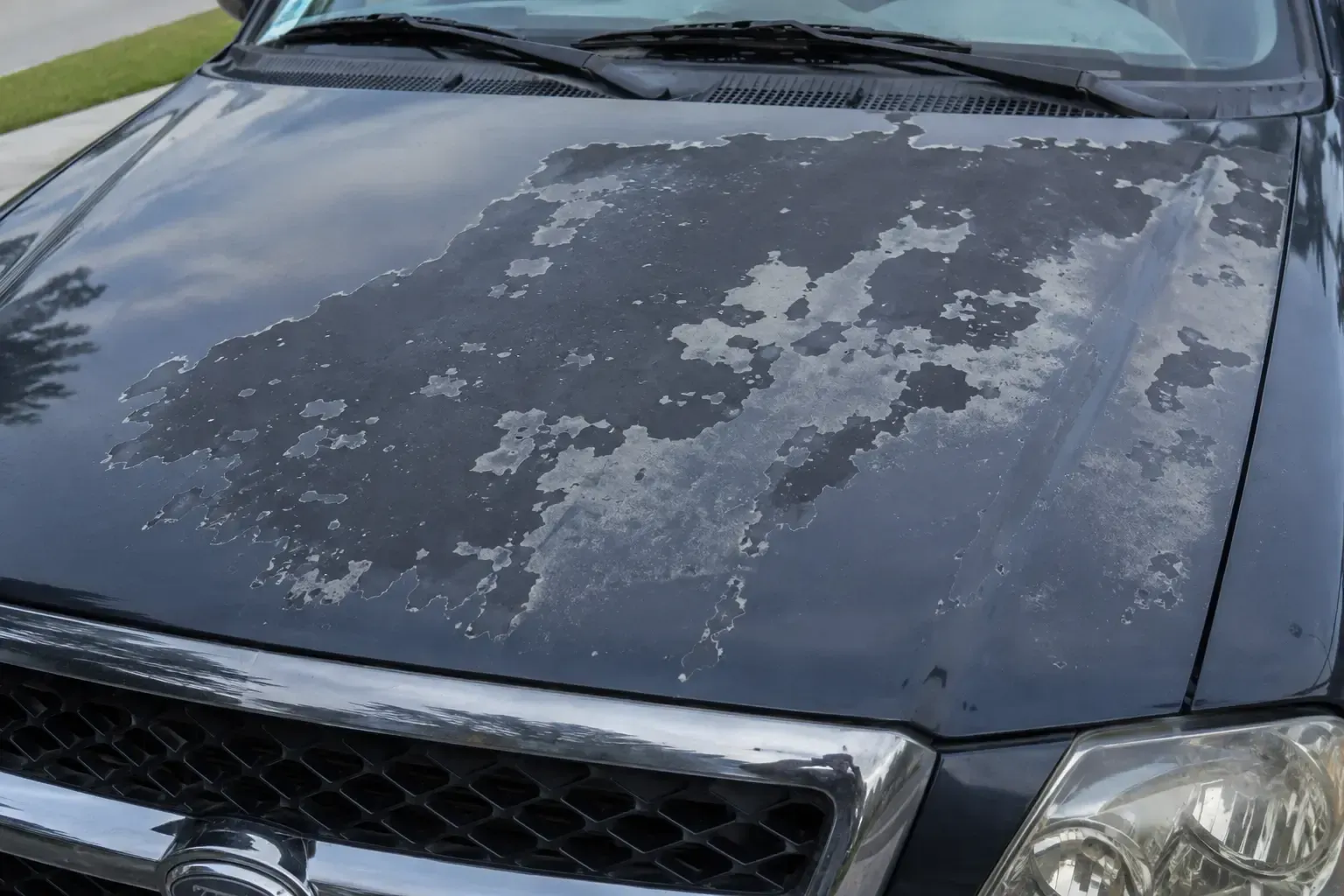
Scratches, swirl marks, and etchings happen when damage cuts into this transparent layer. If the damage reaches the color layer, you need a body shop to repaint the panel. If the damage stays within the clear coat, professional detailers can fix it. The depth of that clear coat damage dictates whether you need a simple polish or a multi-stage correction.
What is Car Polishing?
Polishing is a surface-level enhancement. It is the mildest form of paint refinement available. Detailers use a soft foam pad and a very fine liquid polish. The goal of polishing is to increase the gloss and clarity of the paint.
A polishing service removes extremely light oxidation. It clears away minor water spots and microscopic surface contamination. The fine abrasives in the polish gently smooth out the very top layer of the clear coat. This process restores depth to the color and makes the vehicle look incredibly shiny.
Polishing will not remove deep scratches. It will not eliminate heavy swirl marks from automatic car washes. If you look at the paint under direct sunlight, you will still see those deeper defects.
You should choose a polishing service if your car is relatively new. It is also the perfect choice if your paint is already in great condition but just needs a quick seasonal refresh.
What is Auto Paint Correction?
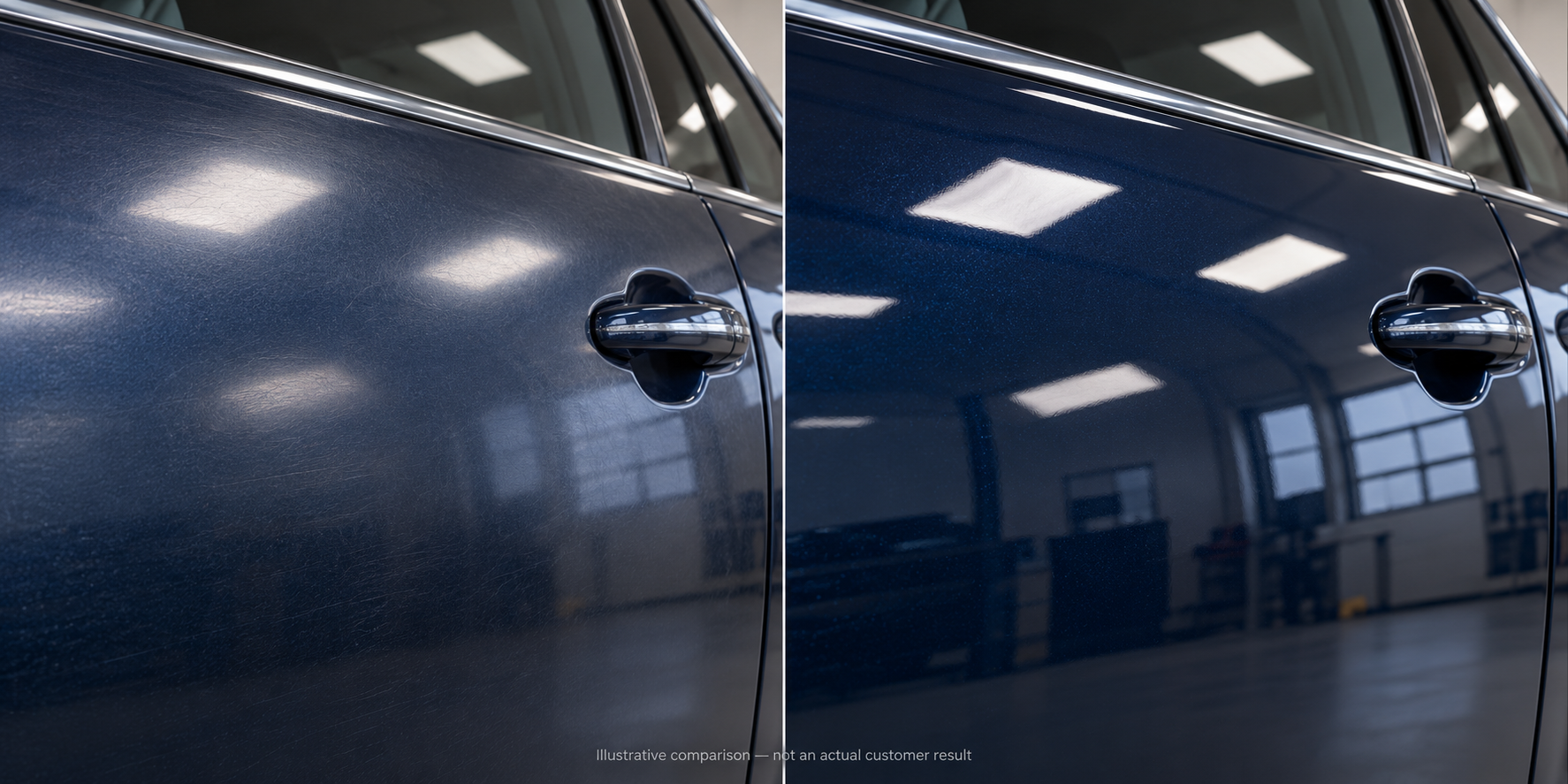
Paint correction is a highly intensive, multi-step restoration process. It goes far beyond simply adding shine. The primary goal of this service is permanent defect removal.
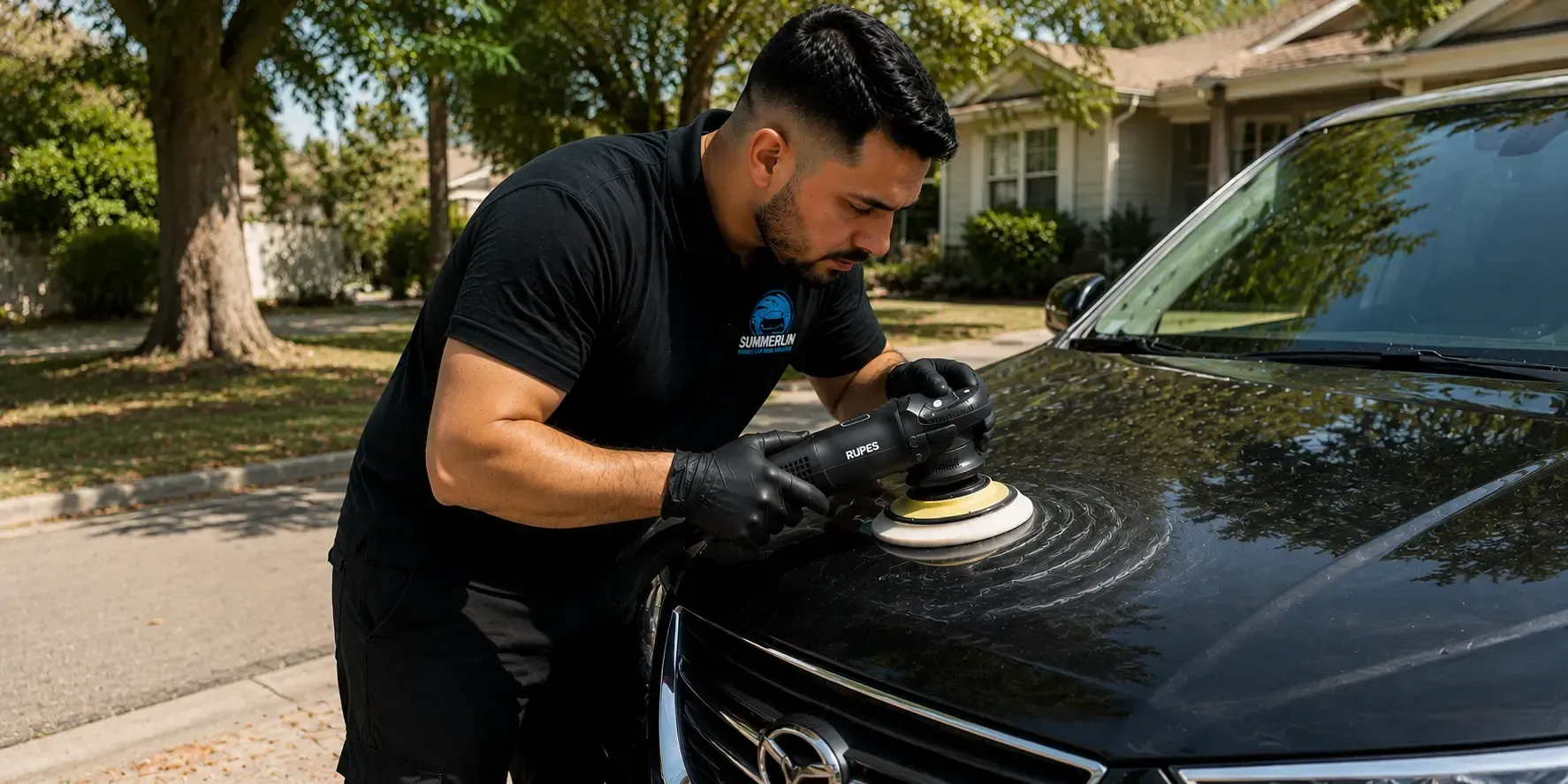
Detailers use heavy cutting compounds and aggressive polishing pads to physically level the clear coat. They safely shave away microscopic layers of the clear coat until it is completely even with the bottom of the deepest scratch. This permanently eliminates the defects.
A full correction process usually involves several distinct stages. The first stage uses a coarse abrasive to remove heavy damage. The middle stage refines the surface and removes hazing left by the first step. The final stage uses a fine polish to restore the brilliant mirror finish.
If your car suffers from heavy spiderweb swirls, automatic wash scratches, or severe bird dropping etchings, this is the service you need. Our team specializes in expert paint correction to bring neglected paint back to life safely. We also utilize advanced scratch removaltechniques for isolated, deeper gouges.
Service Comparison Grid
To help you decide, we have broken down the primary differences between these two detailing approaches. Review the table below to see which service aligns with your specific exterior needs.
| Service Type | Primary Goal | Defect Removal Level | Best Vehicle Candidate | Estimated Time Required |
|---|---|---|---|---|
| Basic Polishing | Maximize gloss and clarity | Very light / Microscopic | New cars or well-maintained paint | 2 to 4 hours |
| 1-Stage Correction | Improve shine and remove light swirls | Moderate (50-60% removal) | Cars with minor automatic wash damage | 4 to 6 hours |
| 2-Stage Correction | Eliminate medium scratches and heavy swirls | High (75-85% removal) | Daily drivers with noticeable sun damage | 6 to 10 hours |
| Multi-Stage Correction | Achieve a flawless, mirror-like finish | Maximum (90-95% removal) | Heavily neglected cars or show vehicles | 10 to 15+ hours |
How to Decide Which Service Your Vehicle Needs
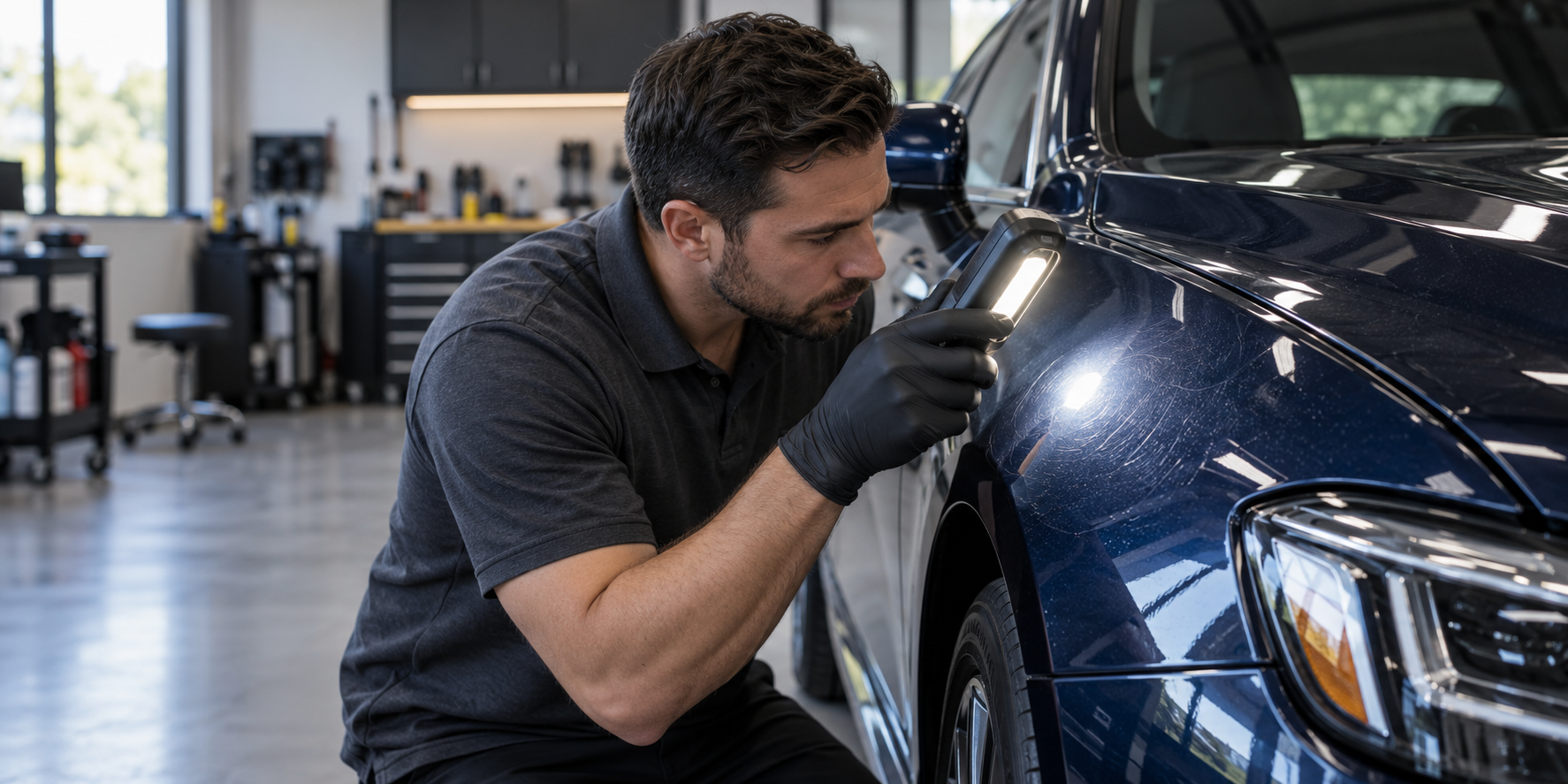
Evaluating your car requires a close visual inspection. You should wash the car thoroughly and dry it completely. Park the vehicle in direct, bright sunlight. You can also use a bright LED flashlight to inspect the panels in a dark garage.
Look closely at the reflection of the light source on the paint. If you see thousands of tiny circular scratches surrounding the light, you have heavy swirl marks. If the reflection is hazy and milky, you have severe oxidation. These issues require a multi-stage correction to fix properly.
If the reflection of the light is relatively clear with only a few faint imperfections, a standard polish will work beautifully.
You must also consider your budget and your future maintenance plans. Paint correction is a time-consuming craft. It requires significant skill to perform without burning through the clear coat. Because of the labor involved, correction services cost significantly more than a basic polish.
Once your paint is corrected, you must protect it. Leaving freshly corrected paint exposed to the desert sun is a costly mistake. We highly recommend applying a premium ceramic coating immediately after any correction work. Coatings lock in the flawless finish and prevent future scratches. You can read more about the benefits and limits of ceramic coating to see if it fits your lifestyle.
Working with the Professionals
Attempting heavy defect removal at home carries significant risks. Inexperienced use of a rotary polisher can easily destroy your clear coat in seconds. Repainting a damaged panel costs thousands of dollars.
It is always safer to trust trained technicians. When you work with our local team, we provide a thorough exterior consultation. We measure your clear coat thickness before we start any abrasive work. This guarantees we use the safest and most effective method for your specific car.
If you are tired of looking at dull, scratched paint, we are here to help. You can easily reach out to our technicians to schedule a detailed paint assessment today.
Frequently Asked Questions
Does polishing remove deep scratches?
No. Polishing only removes microscopic imperfections and very light oxidation. It enhances gloss but does not level the clear coat enough to remove noticeable scratches. Deep scratches require aggressive compounding and multi-stage paint correction
How long does a full paint correction take?
The timeline depends heavily on the condition of the vehicle and the size of the car. A minor one-step enhancement might take five hours. A severe multi-stage restoration on a large SUV can take well over fifteen hours to complete safely.
Should I get a coating after correction?
Yes, absolutely. The correction process removes a microscopic layer of your clear coat. Applying a ceramic coating replaces that lost protection with an ultra-hard, durable shield. It locks in your new mirror finish and protects your investment from the harsh local climate.