
How to Fix Car Scratches and Protect Your Vehicle’s Paint
Every vehicle owner eventually encounters the frustration of exterior paint damage. Whether caused by stray gravel on the highway, poor parking lot etiquette, or improper washing techniques, a scratch compromises both the aesthetic appeal and the structural integrity of your vehicle. Ignoring a minor blemish often leads to severe oxidation and rust, especially under the relentless Las Vegas sun. Protecting your investment requires an understanding of paint composition, precise assessment techniques, and the right restorative methods.
The Anatomy of Automotive Paint Layers
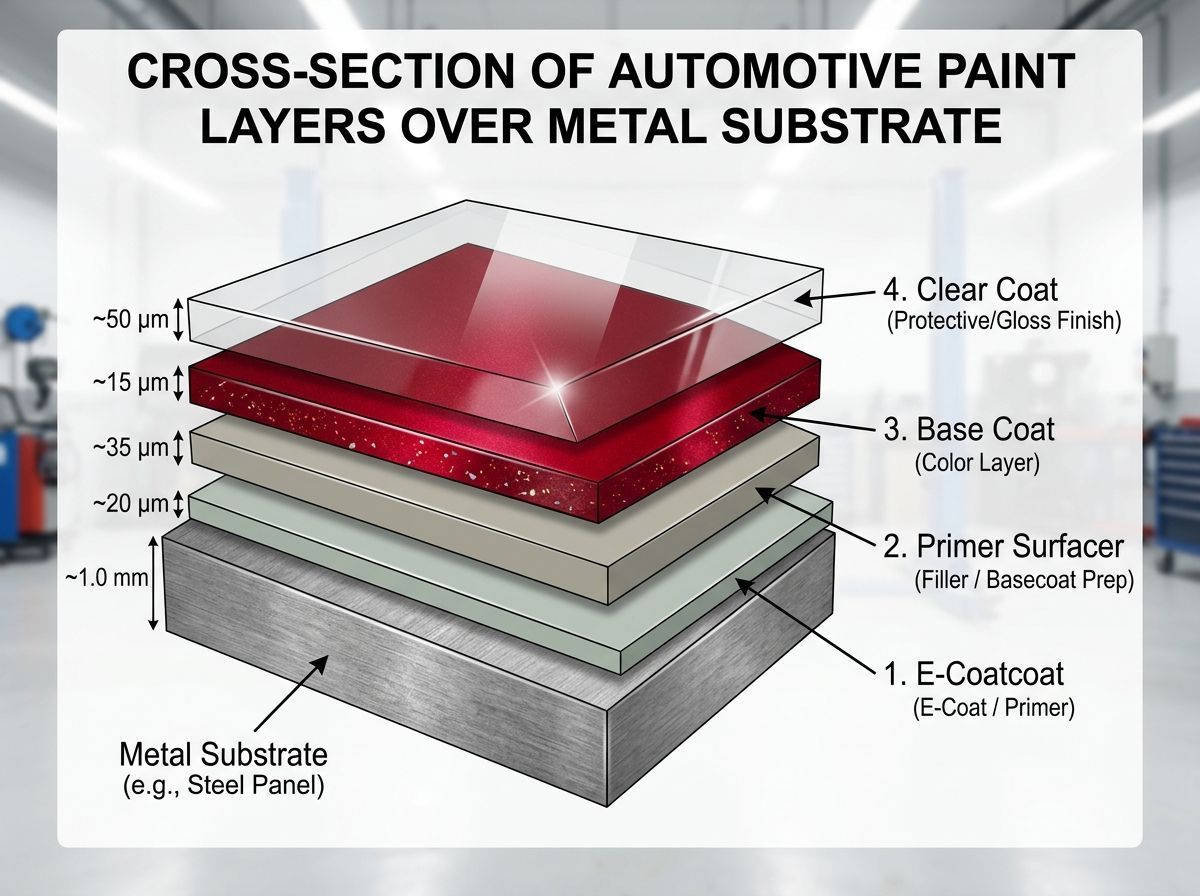
Modern vehicles feature complex finishing systems engineered to withstand significant environmental abuse while maintaining high gloss. To effectively address any exterior blemishes, you must understand the exact composition of these layers. The foundation rests upon bare steel, aluminum, or composite plastic. Manufacturers apply an electrodeposition coat, often called an e-coat, directly to the raw material to inhibit rust and corrosion. A layer of primer follows this initial defense, providing a uniform texture and promoting the adhesion of the subsequent color stage.
The base coat delivers the visual pigmentation of the automotive finish. This layer contains the specific color formulation, metallic flakes, or pearlescent additives that define the aesthetic character of the vehicle. However, the base coat remains entirely vulnerable and lacks any inherent gloss. The final application is the clear coat, a transparent urethane or polyurethane layer that seals the entire system. The clear coat provides the optical depth, ultraviolet resistance, and chemical defense required to survive daily driving. Measuring between 35 to 50 microns in thickness, this fragile, transparent shield absorbs the vast majority of surface damage.
Evaluating the Severity of Car Scratches
Diagnosing the specific depth of a defect dictates the required restorative approach. Surface abrasions fall into distinct categories based on which paint layer they penetrate. The most common diagnostic technique utilized by restoration professionals is the fingernail test. Clean the affected area thoroughly and gently drag your fingernail perpendicular to the scratch. If the surface feels smooth and your nail glides over the mark without catching, the damage is superficial and localized strictly within the upper echelon of the clear coat.
If your fingernail catches slightly in the groove, the scratch has penetrated deeper into the clear coat structure. These moderate defects often appear white or hazy due to the fractured clear coat scattering light. Critical damage occurs when the car scratches breach the clear coat entirely. If you observe a distinct color change within the groove, typically revealing a white, gray, or black primer layer beneath the base coat, the structural integrity of the paint system is compromised. These deep gouges expose the underlying metal to moisture, accelerating the oxidation process and inviting severe rust formation.
Professional Scratch Removal Techniques versus DIY Methods
Many vehicle owners attempt to resolve paint defects using over-the-counter rubbing compounds or scratch repair pens. While these consumer-grade products offer temporary visual improvements by filling the scratch with wax and artificial fillers, they inevitably wash away after a few weeks. Authentic restoration requires permanent leveling of the clear coat.
| Scratch Classification | Depth Penetration | Professional Tool Required | Expected Result |
|---|---|---|---|
| Level 1: Swirl Marks | 1 to 3 microns | Dual Action Polisher | 100% Defect Removal |
| Level 2: Clear Coat Scuffs | 4 to 10 microns | Forced Rotation Polisher | 95% Defect Removal |
| Level 3: Base Coat Gouges | 10+ microns | Sanding Blocks, Micro-brushes | 70% to 80% Visual Improvement |
| Level 4: Primer or Metal | Down to Substrate | HVLP Spray Gun | Factory Match Restored |
Attempting aggressive wet sanding or heavy compounding without a digital paint thickness gauge frequently leads to catastrophic clear coat failure. Novices using high-speed rotary polishers can easily burn through edges or instill massive holographic trails in the paint. Trusting specialists for precise scratch removal ensures the integrity of your factory finish remains intact while delivering a permanent solution.
The Impact of a High-Quality Carwash on Paint Longevity
Improper maintenance routines are responsible for the vast majority of surface defects found on modern vehicles. The convenience of an automated tunnel carwash comes at a significant cost to your exterior finish. These facilities utilize aggressive, high-pH chemical degreasers that strip away protective waxes and synthetic sealants. Furthermore, the massive rotating brushes are rarely cleaned, trapping abrasive debris from hundreds of previous vehicles and whipping it against your paintwork at high speeds. This aggressive friction inflicts thousands of microscopic spiderweb scratches across every panel.
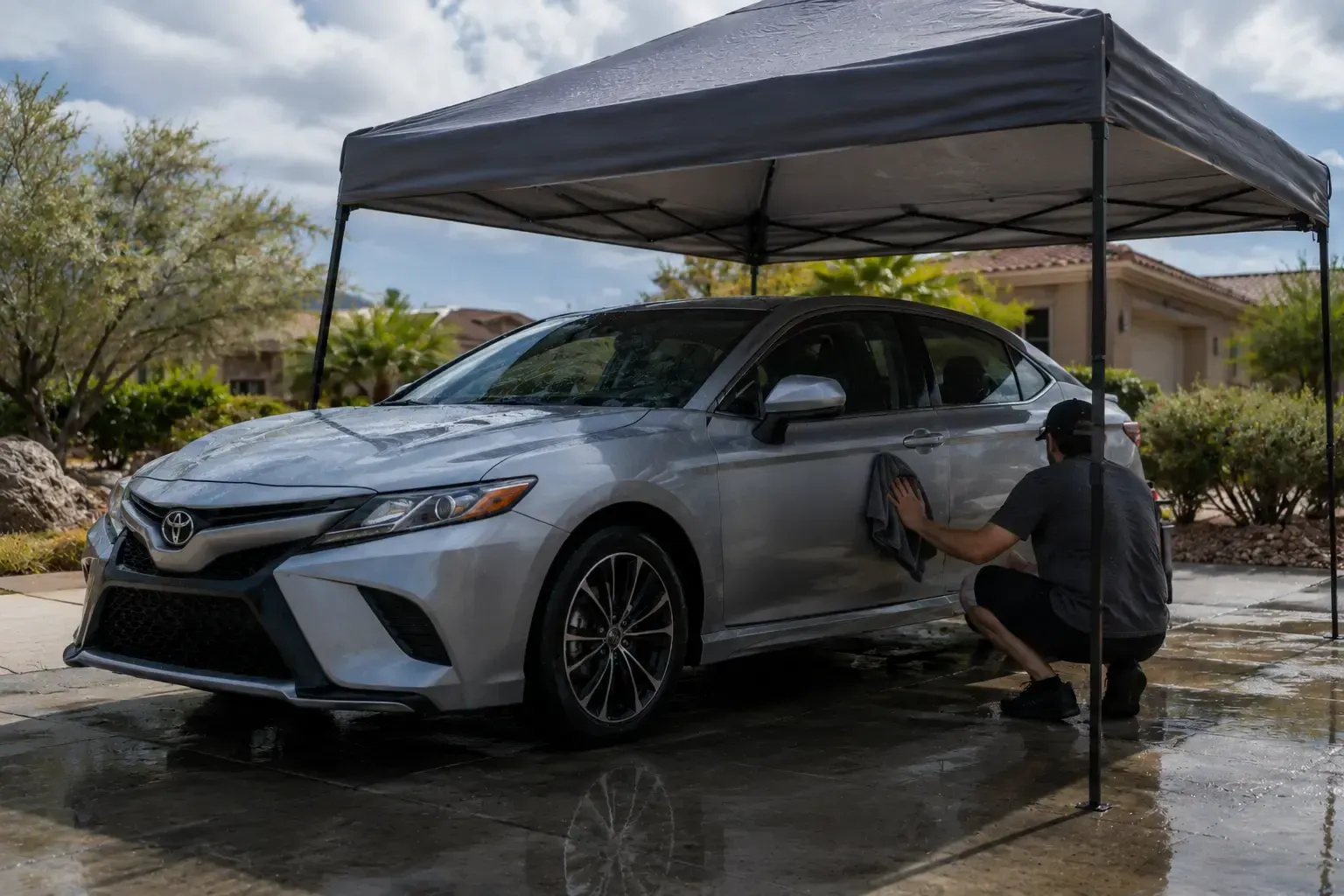
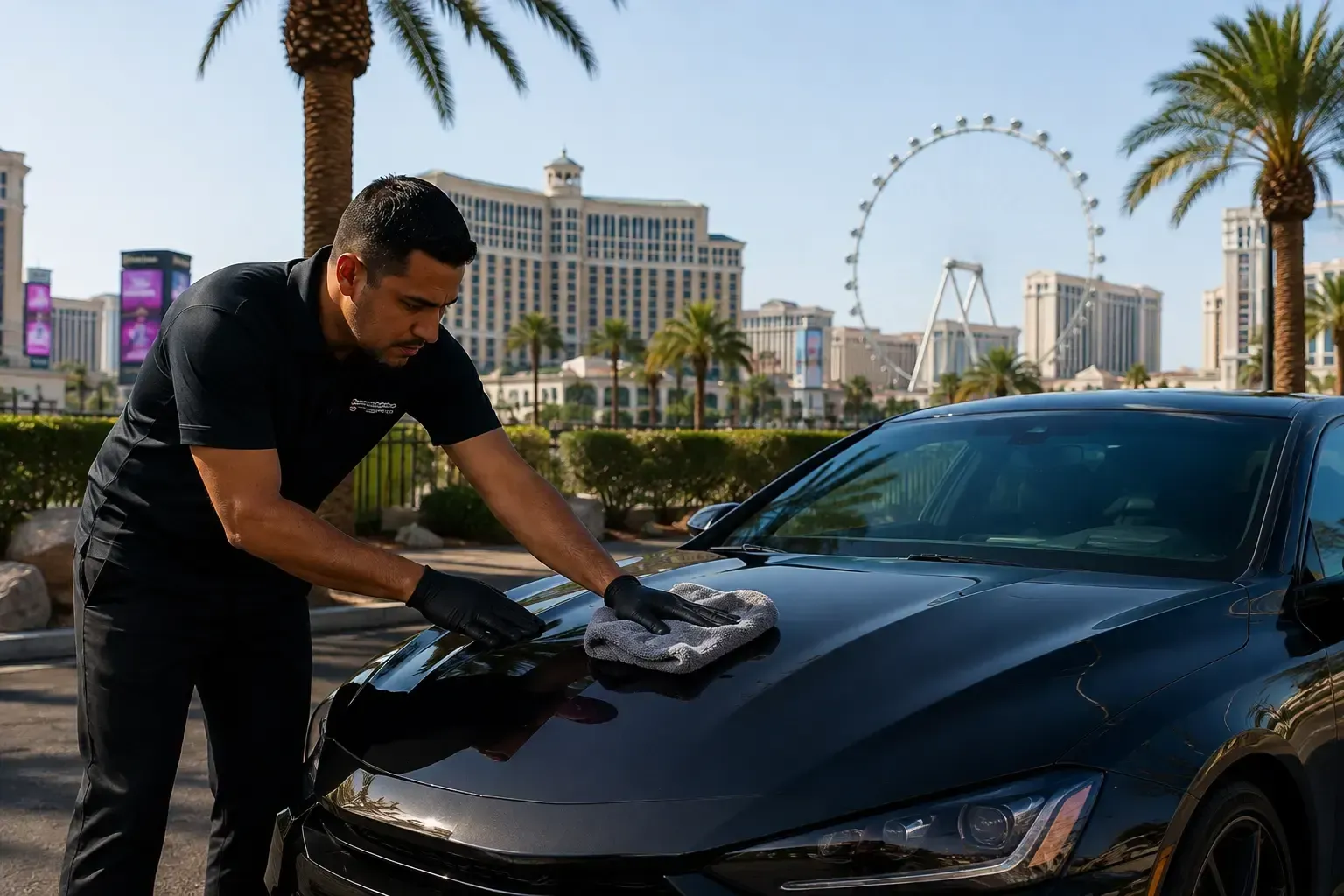
Preserving a flawless finish demands a meticulous hand washing protocol. Professional detailers employ a strict two-bucket wash methodology to isolate contamination. One bucket contains a highly lubricated, pH-neutral shampoo solution, while the second bucket holds clean water for rinsing the wash media. Both buckets feature heavy plastic grit guards placed at the bottom to trap dirt particles and prevent them from recirculating into the wash mitt. Utilizing ultra-plush microfiber towels rather than cheap sponges ensures that any remaining dust is safely pulled away from the surface rather than being ground into the clear coat.
Advanced Paint Correction for Flawless Automotive Surfaces
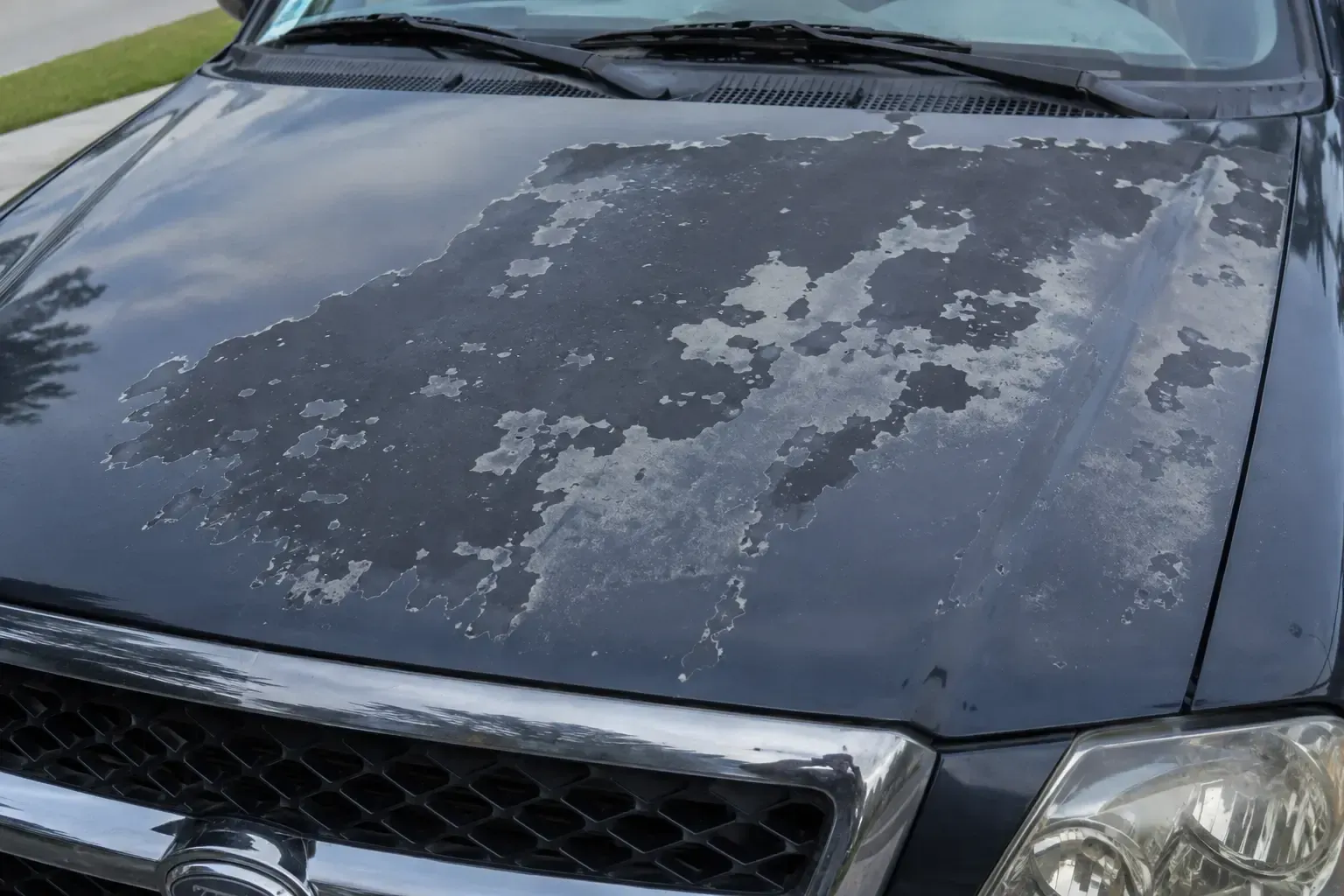
When a vehicle exterior loses its reflective clarity and appears dull under direct sunlight, applying another layer of wax will not resolve the core issue. The visible haziness stems from a dense network of micro-scratches refracting light in random directions. Restoring true optical brilliance requires the physical leveling of the clear coat through a highly controlled abrasive process known as paint correction.
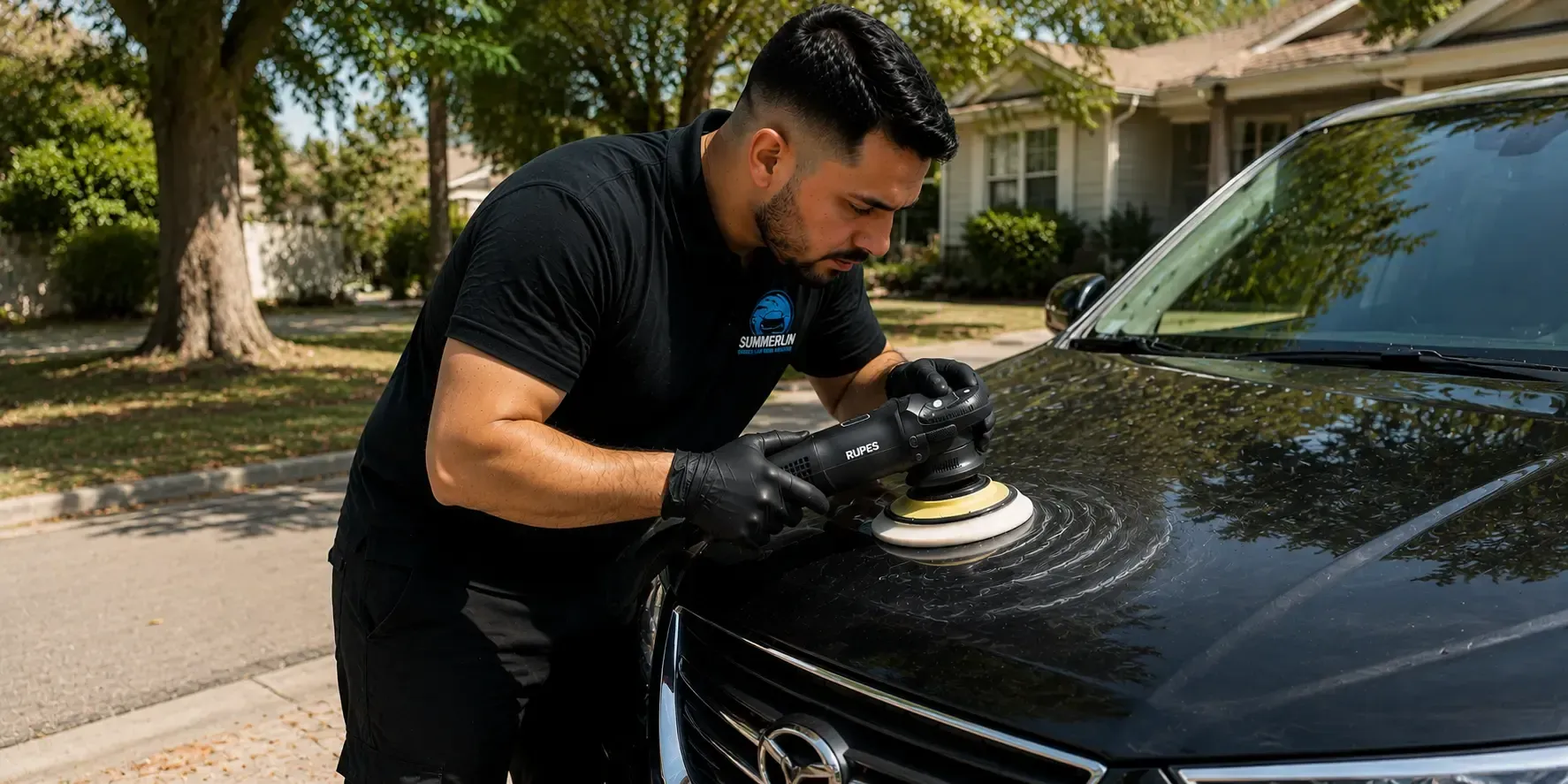
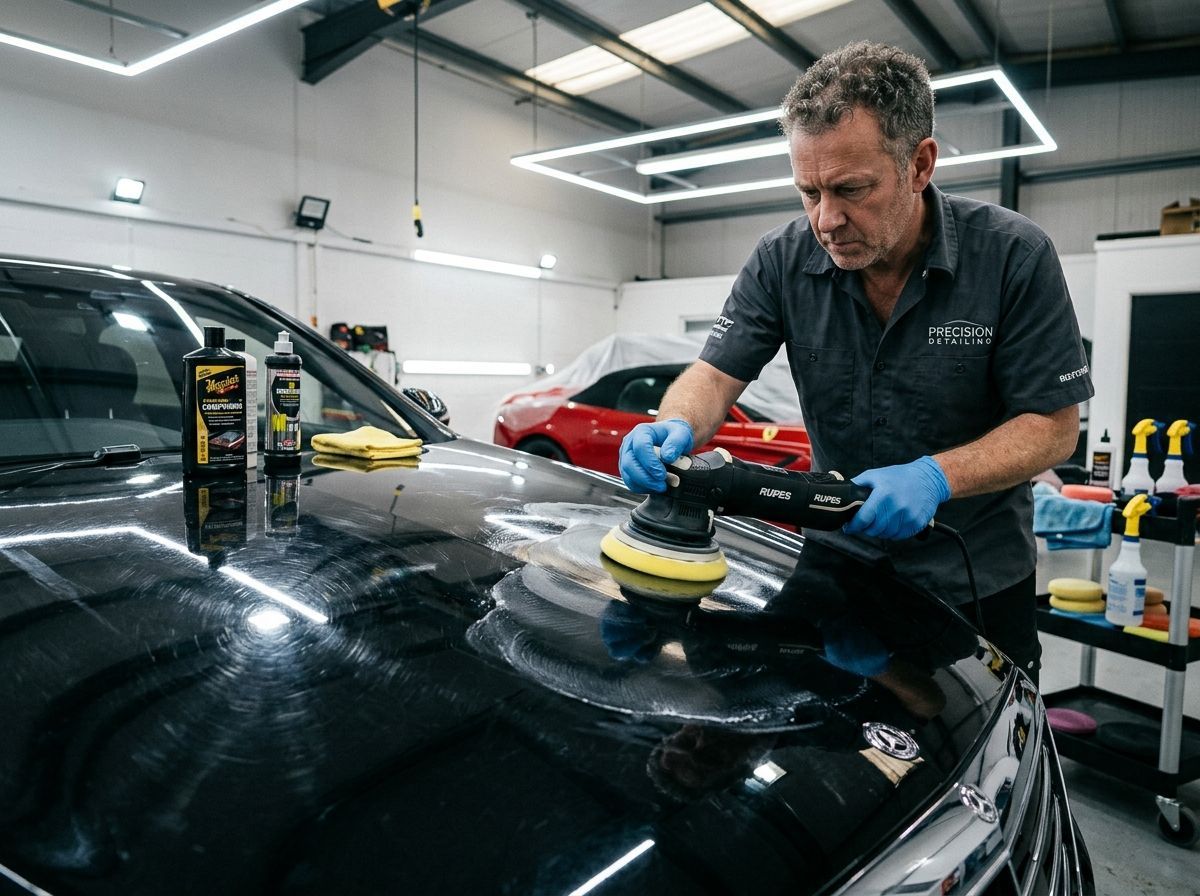
This procedure demands precision, patience, and a deep understanding of clear coat dynamics. Specialists utilize machine polishers paired with specific foam, microfiber, or wool pads. By applying diminishing abrasive compounds to the surface, the technician carefully shaves away a microscopic fraction of the damaged clear coat until the surface is entirely flat and uniform. Executing a flawless paint correction safely removes oxidation, swirl marks, and etching caused by acidic bird droppings. The resulting finish is a mirror-like surface that frequently surpasses the clarity of a factory-new vehicle.
Long-Term Protection with Premium Ceramic Coating
Eradicating defects and refining the clear coat is only the first phase of complete vehicle preservation. Leaving freshly corrected paint exposed to the elements guarantees rapid recontamination. Traditional carnauba waxes and synthetic polymer sealants provide a temporary sacrificial barrier. These conventional products sit on top of the paint and degrade quickly when exposed to high ambient temperatures, harsh detergents, or intense solar radiation. In extreme climates, a standard wax application may fail in less than four weeks.
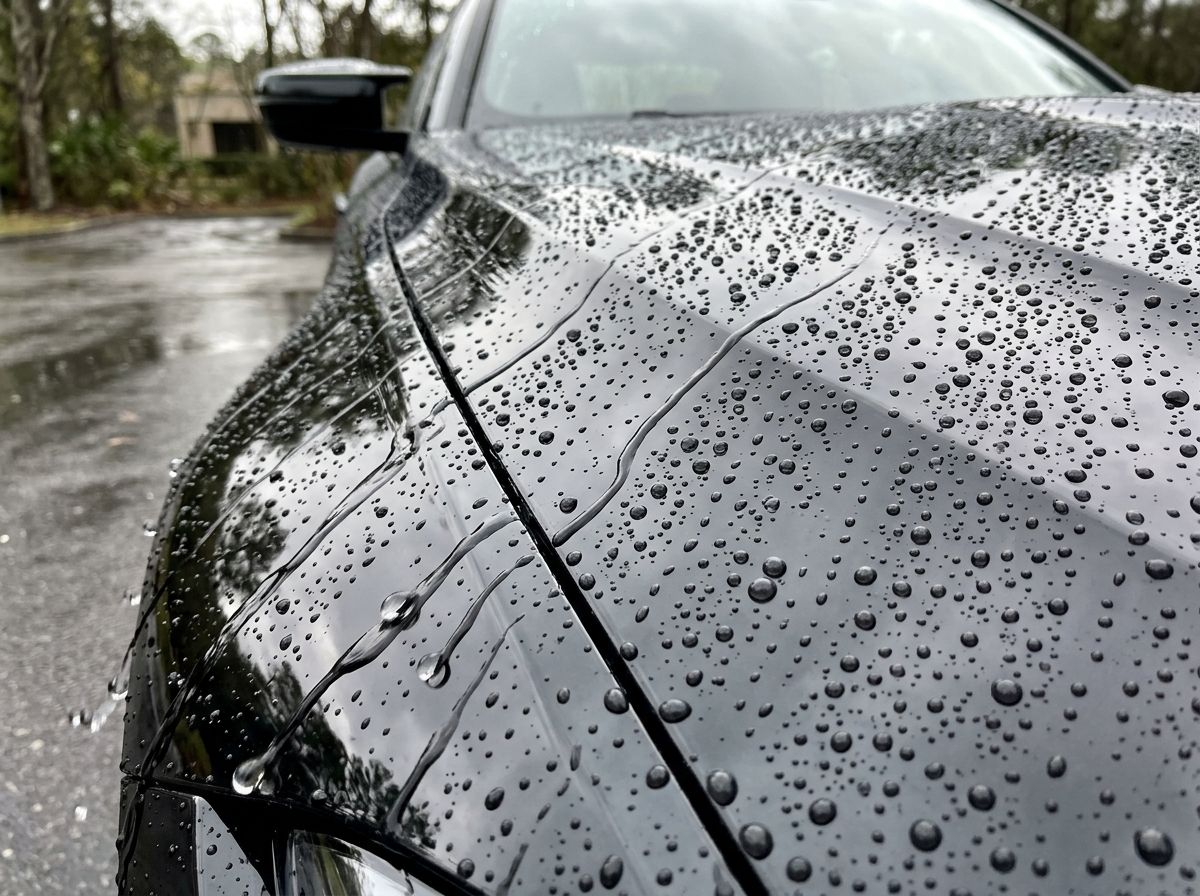
Nanotechnology offers a permanent, structural solution for paint protection. A true ceramic coating features a high concentration of silicon dioxide or titanium dioxide. When applied to a properly prepared surface, the liquid polymer flashes and creates a covalent chemical bond with the clear coat. This reaction forms an incredibly rigid, microscopic shell of quartz glass over the vehicle. The resulting surface is fiercely hydrophobic, repelling water, road grime, and chemical contaminants with ease. Beyond the self-cleaning properties, this advanced barrier provides unparalleled resistance to ultraviolet degradation, ensuring your vehicle retains its deep, rich color for years.
The Strategic Advantages of Mobile Detailing
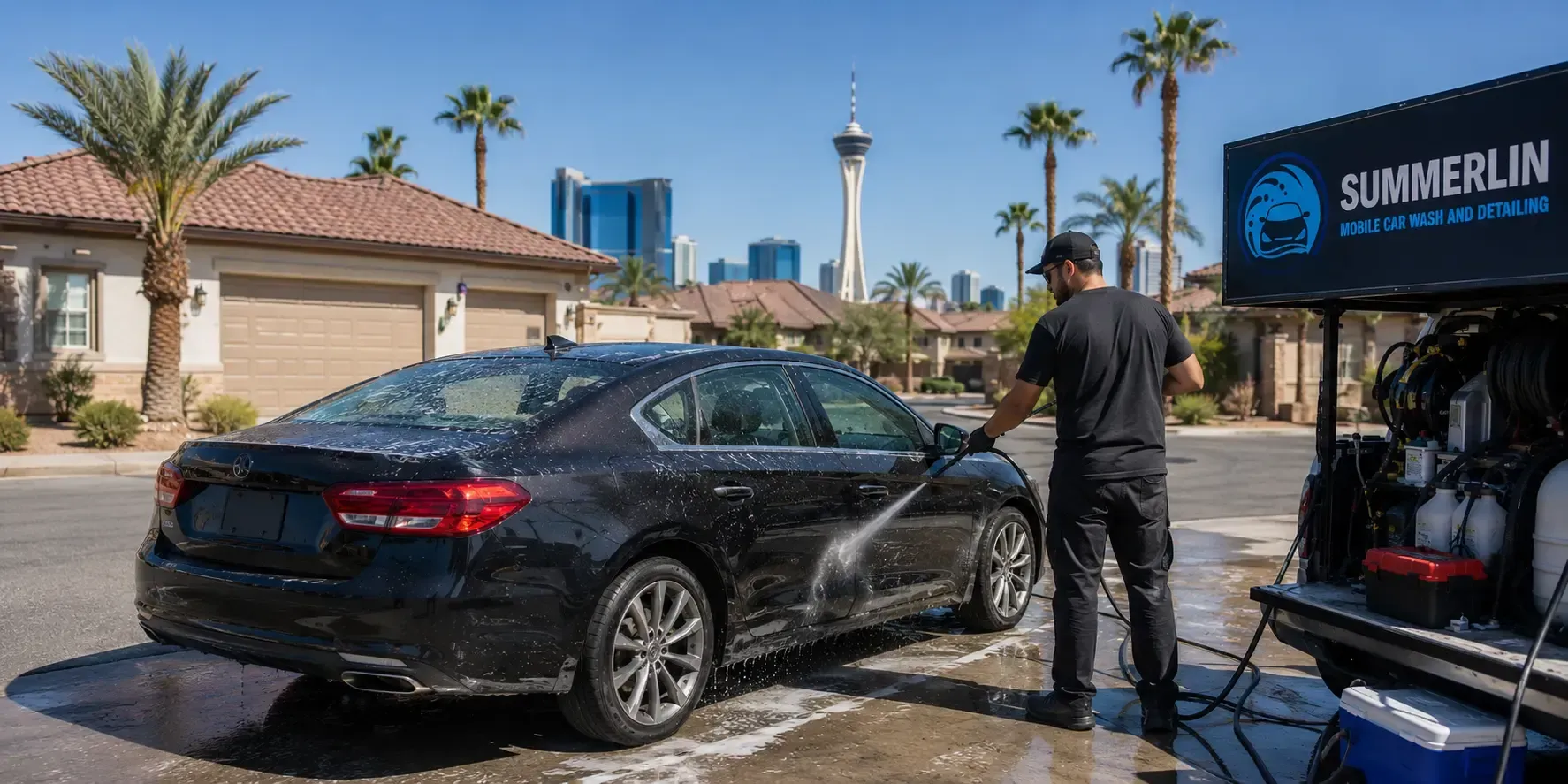
Securing elite vehicle care should not require sacrificing hours of your day waiting in a congested facility. Engaging a premium mobile detailing service brings professional-grade equipment, specialized restorative chemistry, and pristine spot-free water directly to your residence or workplace. This autonomous operational model ensures that your vehicle receives undivided, meticulous attention free from the rushed volume quotas of traditional fixed-location shops.
At LFL Mobile Carwash of Summerlin Vegas, we engineer our exterior maintenance protocols to prioritize the long-term health of your factory finish. Our localized expertise allows us to combat the specific environmental challenges unique to the Nevada climate. You can discover the foundational principles that guide our specialized techniques by visiting our About Us page. Proper paint preservation requires immediate action when damage occurs. Do not allow minor defects to escalate into costly structural repairs. Reach out directly through our Contact Us portal to schedule a comprehensive evaluation of your clear coat or to arrange immediate restorative service at your preferred location.
Frequently Asked Questions
Can toothpaste effectively remove a car scratch?
Toothpaste contains mild abrasives intended to polish dental enamel, which can technically round off the edges of very shallow clear coat scuffs. However, it lacks the diminishing abrasive technology required to finish the paint cleanly. Using toothpaste often leaves localized dull spots and micro-marring, making a proper professional polish necessary to restore true clarity.
How long does a professionally applied ceramic coating last?
The longevity of a ceramic application depends heavily on the specific grade of the product and your ongoing maintenance habits. Consumer-grade coatings typically provide one to two years of defense. Professional-grade formulations, when maintained with proper hand washing techniques and silica-infused boosters, can protect the paintwork for three to seven years.
Is it safe to buff and polish my vehicle every year?
Polishing permanently removes a microscopic layer of your factory clear coat. Repeated aggressive compounding will eventually thin the protective layer to the point of structural failure. Instead of annual heavy corrections, the ideal strategy is to perform one intensive paint correction followed immediately by the application of a durable ceramic layer to lock in the results and prevent future damage.