Why Does My Car Paint Feel Rough Even After Washing It in Las Vegas?
Key Takeaways and Insights
A rough texture on your car's exterior after a wash indicates bonded contaminants like brake dust, tree sap, and hard water minerals. Standard washing only removes loose dirt, leaving these embedded pollutants baked into the clear coat by the intense Las Vegas sun. Restoring a smooth, glass-like finish requires professional mechanical and chemical decontamination followed by a protective sealant.
* Perform the "plastic bag test" to easily detect invisible, bonded contaminants on your vehicle's surface.
* Basic car washes lack the specific chemicals and mechanical tools, like clay bars, needed to extract embedded desert pollutants.
* Applying a polymer sealant or ceramic coating after decontamination is essential to protect your clear coat from extreme UV rays and future buildup.
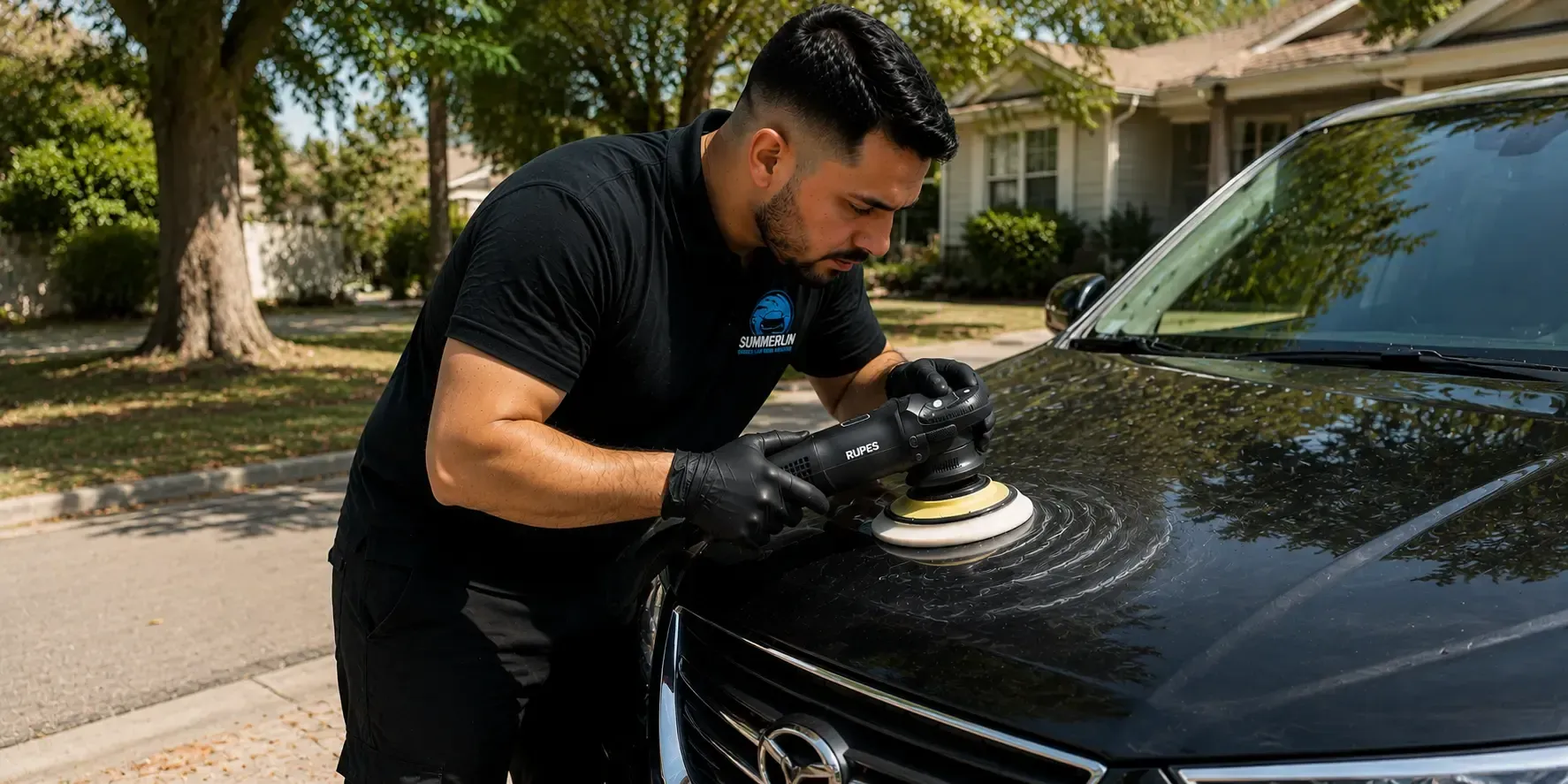
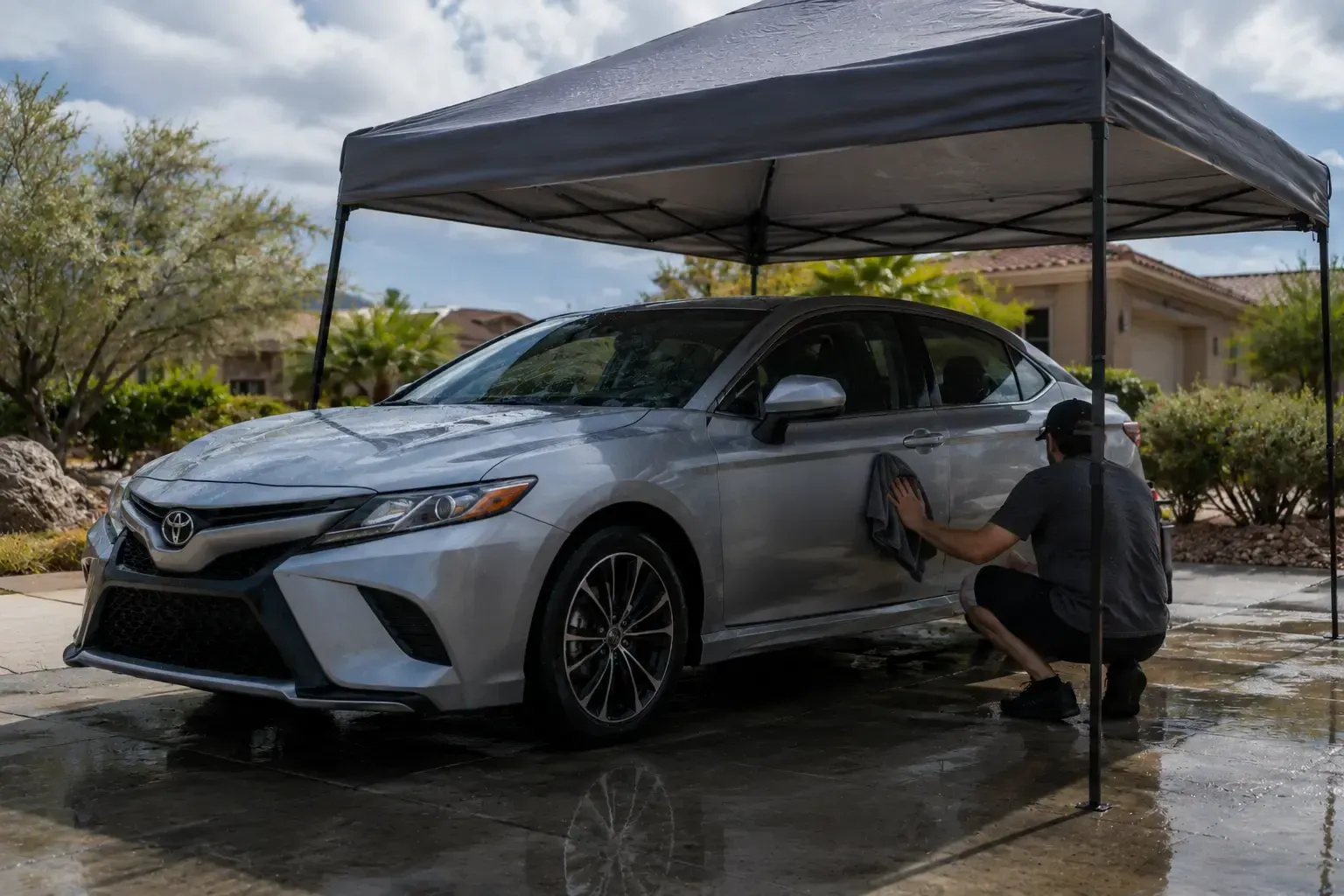
You just spent an hour washing your vehicle. The sun is setting over the Spring Mountains in Summerlin. You dry the panels and run your hand across the hood. You expect a smooth, glass-like finish. Instead, the surface feels like fine sandpaper.
This is a common frustration for vehicle owners in Nevada. A standard wash removes loose dirt, dust, and grime. However, it does not remove contaminants that have bonded directly to your clear coat.
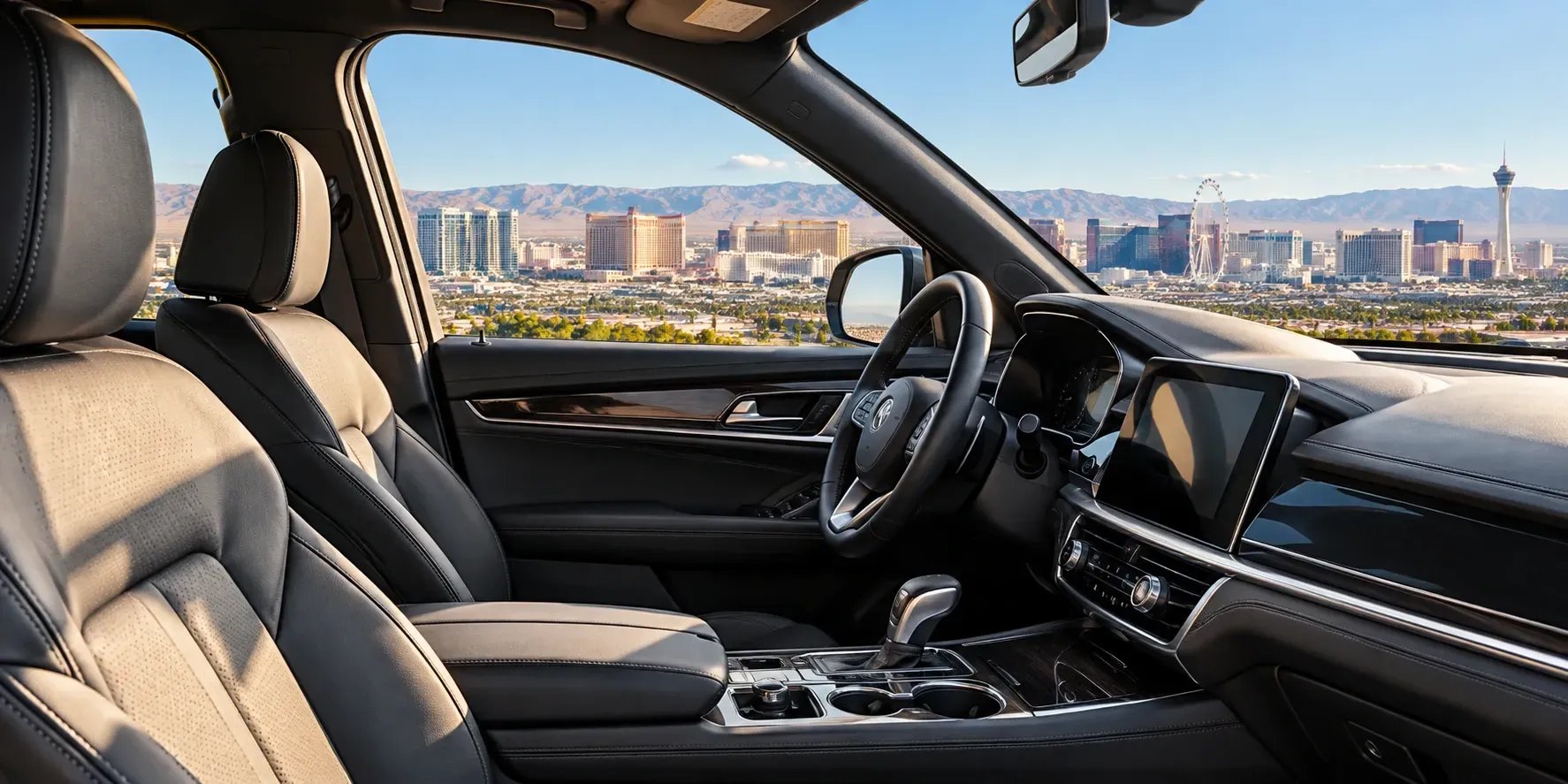
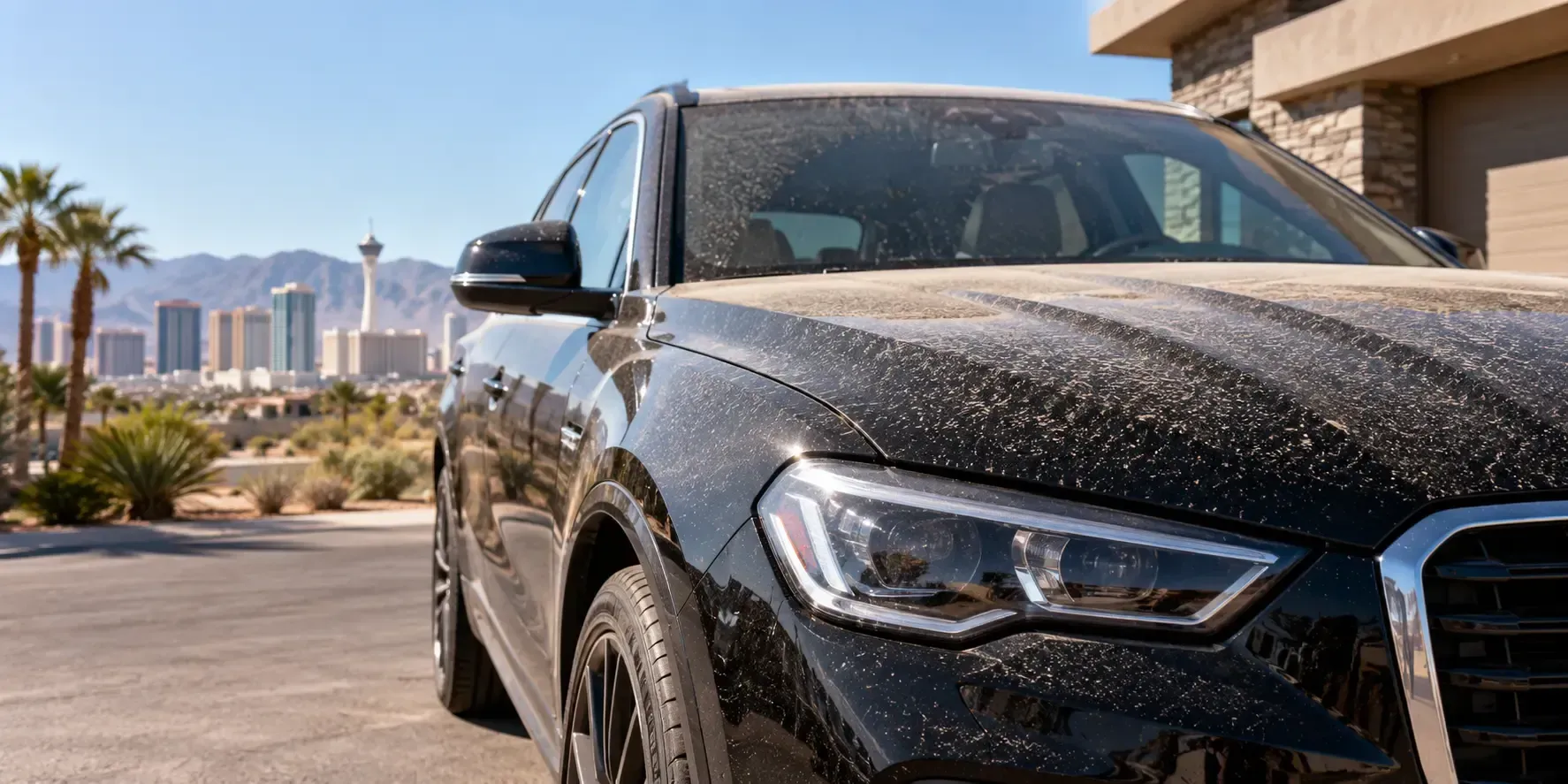
Living in the desert introduces a unique set of environmental challenges for your vehicle. Intense heat bakes pollutants onto the surface. High winds carry abrasive particles. Over time, these elements compromise your vehicle exterior.
Understanding what causes this roughness is the first step to restoring your vehicle.
The Hidden Causes of Rough Paint in the Desert
Your clear coat is the top layer of your vehicle finish. It is designed to protect the color layer underneath. Under a microscope, this clear coat is not perfectly smooth. It has microscopic pores. When contaminants land on the surface, they can settle into these pores.
Hard Water and Mineral Deposits
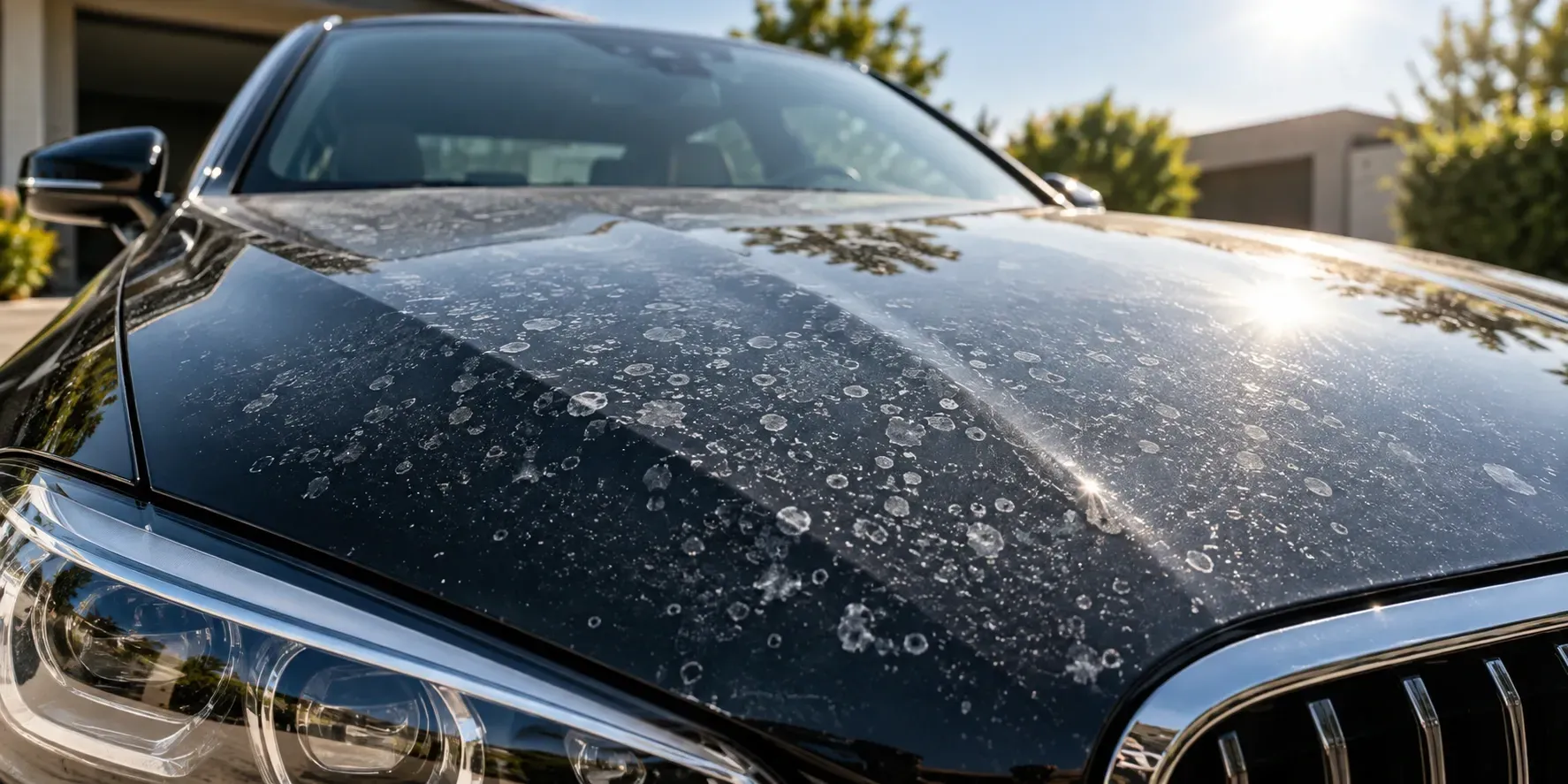
Las Vegas is known for having incredibly hard water. This water contains high levels of calcium and magnesium. When tap water or sprinkler runoff dries on your car, the moisture evaporates. The heavy minerals remain behind.
These minerals etch into the clear coat. The intense desert sun accelerates this process. Baking these minerals into the paint creates a rough, uneven texture that soap and water cannot dissolve.
Industrial Fallout and Brake Dust
You share the roads with thousands of other vehicles. Every time a driver applies their brakes, microscopic metal shavings release into the air. These hot iron particles fly backward and embed themselves into the front bumper, hood, and side panels of your vehicle.
Construction zones around Summerlin also generate industrial fallout. Airborne metallic dust settles on your parked car. These tiny metal shards oxidize and rust, creating microscopic bumps across your paint.
Tree Sap and Environmental Pollutants
Many local neighborhoods feature beautiful landscaping. Unfortunately, certain trees drop sap and pollen. Tree sap is highly acidic and incredibly sticky. If you leave sap on your vehicle, it hardens into a rigid resin.
Bug splatter operates the same way. The acidic remains of insects will bond with your clear coat. Regular car shampoo simply glides over these hardened spots.
How to Test Your Vehicle for Bonded Contaminants
You do not need specialized equipment to diagnose bonded contaminants. You can perform a simple diagnostic check right in your driveway. Professionals call this the plastic bag test.
First, thoroughly wash and dry your vehicle. You must remove all loose surface dirt. Next, find a thin plastic sandwich bag. Place your hand inside the bag.
Gently glide your plastic-covered fingertips across the hood or roof of the car. The plastic bag amplifies your sense of touch. If the paint is truly clean, your hand will glide without resistance. If you feel snags, bumps, or a gritty texture, your vehicle suffers from bonded contamination.
Why Standard Mobile Carwash Services Are Not Enough
Many car owners assume a simple wash will fix a gritty exterior. This is a misunderstanding of how automotive soaps work.
Automotive shampoos provide lubrication. They lift loose dirt safely away from the surface to prevent scratching. They are not formulated to dissolve iron particles, baked-on minerals, or hardened tree sap.
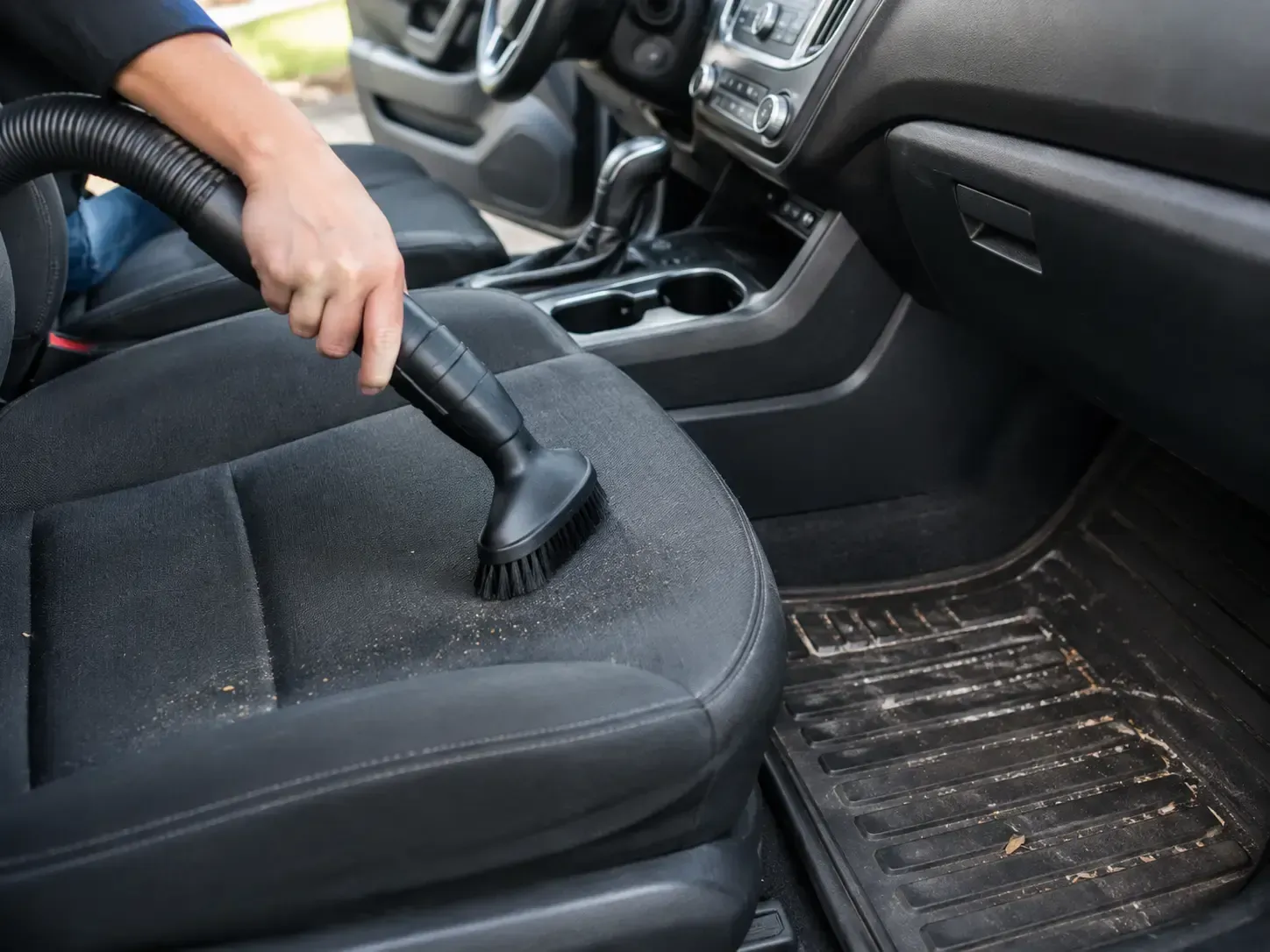
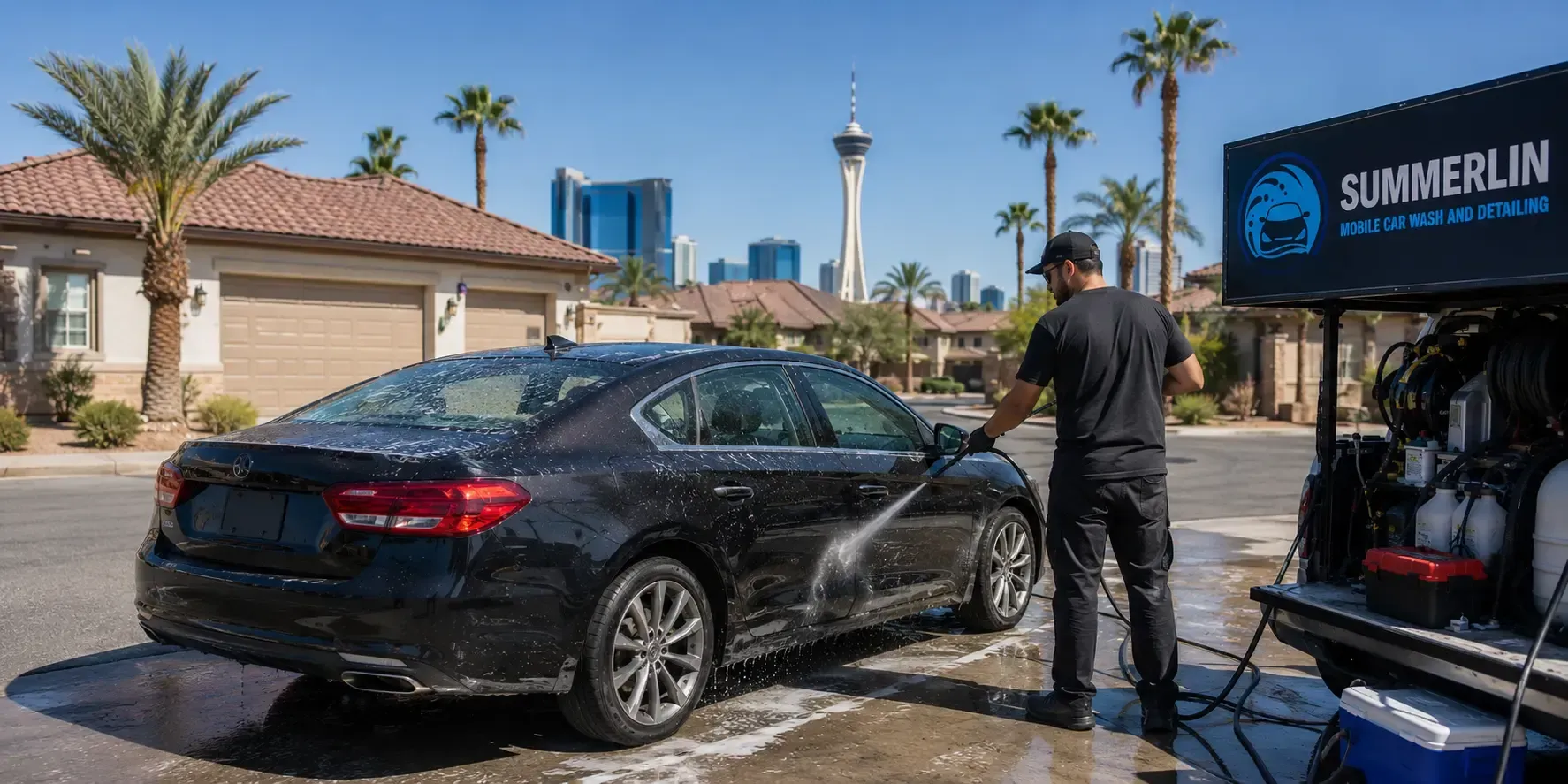
When you book basic Mobile Carwash Services, you are paying for surface-level cleaning. A standard wash is crucial for regular maintenance. It prevents loose dirt from scratching your paint. However, if your clear coat already feels rough, a standard wash will only reveal the embedded contaminants.
To restore that smooth finish, your vehicle requires specialized decontamination. This involves mechanical and chemical processes that go far beyond traditional washing.
Comparing Surface Contaminants and Removal Methods
Different pollutants require different solutions. Understanding the specific contaminant dictates the proper removal method. Review the table below to see how professionals tackle various desert hazards.
| Contaminant Type | Common Source in Las Vegas | Effect on Clear Coat | Required Removal Method |
|---|---|---|---|
| Iron Particles | Heavy traffic, brake dust | Creates rusty, gritty bumps | Chemical iron remover |
| Hard Water Spots | Sprinklers, unpurified water | Etches into the paint layer | Acidic mineral dissolver |
| Tree Sap | Neighborhood landscaping | Hardens into sticky resin | Automotive solvent or clay bar |
| Overspray & Dust | Ongoing city construction | Leaves a uniform rough texture | Mechanical clay bar treatment |
The Solution: Mechanical and Chemical Decontamination
Restoring a smooth finish requires a two-step approach. Professionals use both chemical and mechanical methods to lift embedded debris safely.
Step One: Chemical Decontamination
Chemical decontamination targets specific pollutants. Professionals use an iron remover to dissolve brake dust. When sprayed onto the vehicle, the chemical reacts with the iron particles. The liquid turns purple as it breaks down the metal. This allows the detailer to rinse the sharp metal flakes away without dragging them across your paint.
Detailers also use specialized mineral removers to break down hard water spots. These chemicals gently dissolve the calcium buildup safely.
Step Two: The Clay Bar Treatment
Even after chemical treatments, some pollutants remain stubborn. This is where mechanical decontamination becomes necessary. The most common tool for this is the detailing clay bar.
Detailing clay is a synthetic, pliable material. It acts like a powerful magnet for microscopic surface debris. A professional will spray a generous amount of clay lubricant onto a small section of your vehicle. They then glide the clay bar back and forth over the wet paint.
The clay shears off the tops of embedded contaminants. It pulls the debris out of the clear coat pores and traps it within the clay itself. After a full clay bar treatment, the paint will feel entirely smooth.
Restoring Shine with Professional Polish
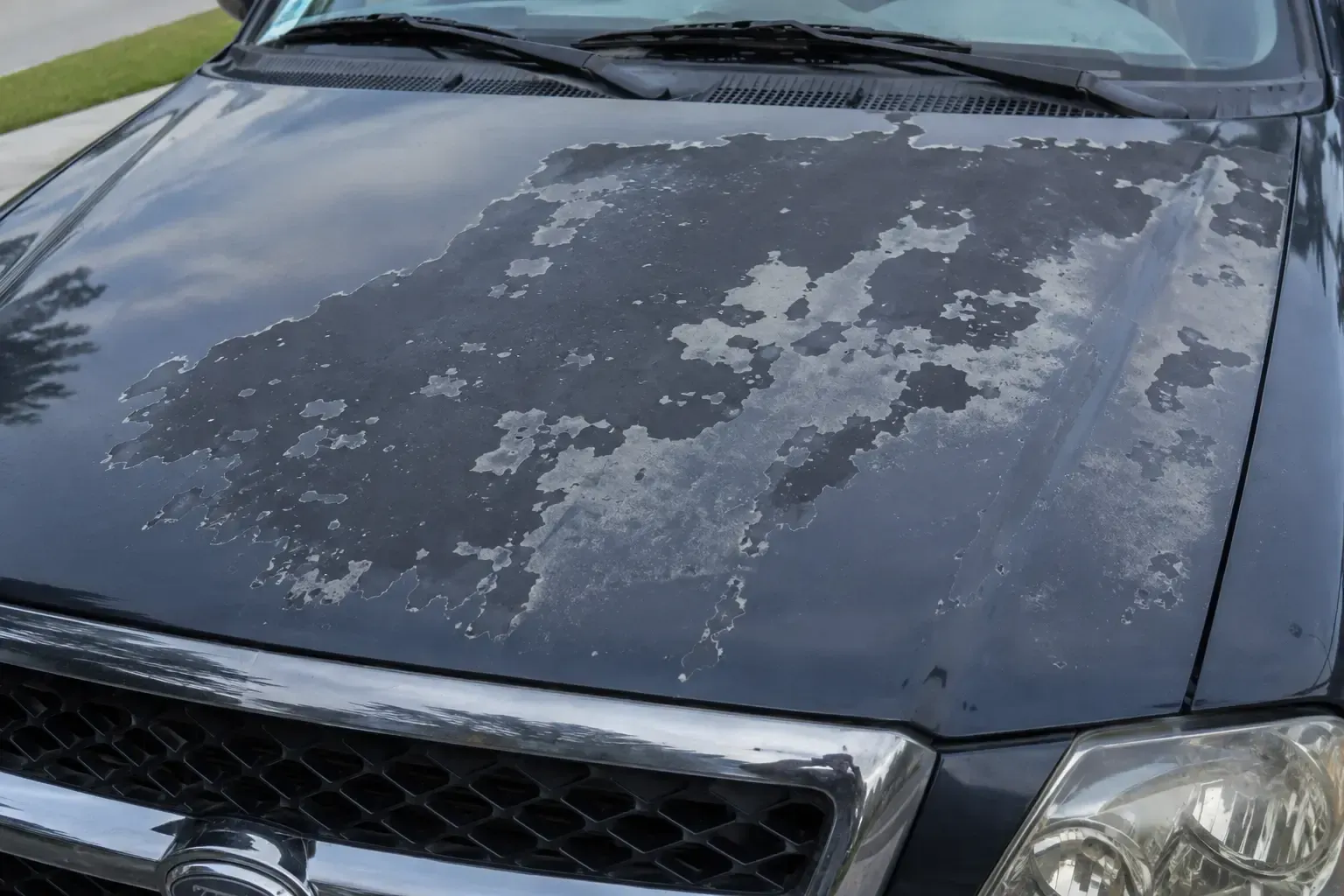
Decontamination removes the rough particles, but it can leave minor micro-marring behind. Pulling contaminants out of the pores sometimes creates microscopic scratches. Furthermore, removing the dirt often reveals pre-existing swirl marks hidden underneath.
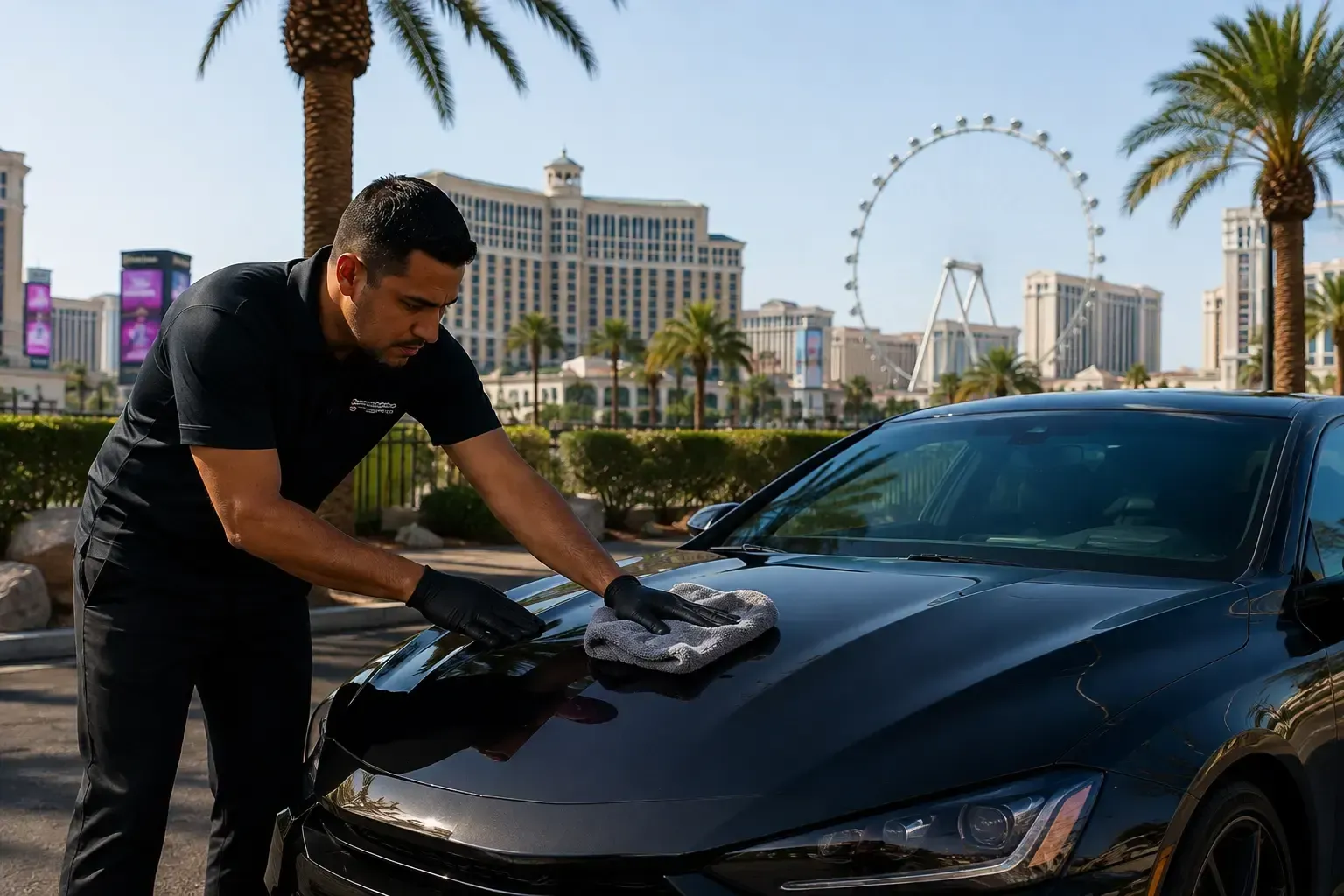
This is why decontamination is almost always followed by polishing. Polishing levels the clear coat. It removes a microscopic layer of the finish to permanently erase scratches, swirls, and oxidation.
If your vehicle looks dull even after washing, you likely need this step. You can learn more about how we restore high-gloss finishes by exploring our professional paint correction solutions. Correction brings back the deep, mirror-like reflection you remember from the dealership.
Protecting Your Investment in Summerlin, Nevada
Once your paint is smooth and polished, it is completely unprotected. The clear coat pores are open. If you drive your vehicle in this state, new contaminants will immediately bond to the surface.
You must apply a protective barrier. This seals the pores and creates a sacrificial layer against the harsh Las Vegas environment.
Waxes and Polymer Sealants
Traditional carnauba wax provides excellent shine. However, it melts quickly in the extreme Nevada heat. A better option for desert residents is a synthetic polymer sealant. Sealants bond chemically to the paint. They provide strong UV protection and can last several months under the summer sun.
Ceramic Coatings
For maximum protection, ceramic coatings are the industry standard. A ceramic coating is a liquid polymer containing silica dioxide. When applied to your vehicle, it cures into a hard, glass-like shield.
Ceramic coatings are incredibly hydrophobic. They repel water, dirt, and dust. Because the surface becomes incredibly slick, contaminants struggle to bond to the paint. Routine washing becomes significantly easier. Bugs, sap, and bird droppings wipe away with minimal effort.
Maintain Your Smooth Finish with Consistent Care
Achieving a smooth finish is a process. Maintaining it requires dedication. You should aim to wash your vehicle every two weeks. This prevents loose dirt from baking into the paint.
Always park in shaded areas or garages when possible. Avoiding direct sunlight reduces the chance of pollutants etching into the surface. If you notice bird droppings or tree sap, remove them immediately with a quick detail spray. Do not wait for your next full wash.
When you hire a professional detailer, you ensure your vehicle receives the correct techniques and products. Trusting a local expert means your car is protected against the specific hazards of the Nevada desert.
For the highest quality care directly at your location, explore the premium services offered by Mobile Car wash Summerlin. We bring the expertise, the purified water, and the proper chemicals right to your driveway.
Schedule Your Premium Detailing Today
Stop running your hands over rough, gritty paint. A standard car wash will never solve bonded contamination. Your vehicle requires specialized care, premium chemicals, and expert techniques to restore its original shine.
We serve busy professionals and families throughout the area. We understand you value convenience and high-quality results. Our team will decontaminate, polish, and protect your vehicle without you ever needing to leave your home.
Ready to transform your exterior? Give us a call at +1 702-761-3690 or reach out to our team online to book your appointment. Experience the difference of a truly smooth, protected finish today.
Frequently Asked Questions
How often should I get a clay bar treatment?
Most vehicles in Las Vegas require a clay bar treatment one to two times a year. If you park outside daily or commute through heavy construction zones, you might need it more frequently. Perform the plastic bag test every few months to check your paint condition.
Will a clay bar remove scratches from my car?
No. A clay bar only removes surface contaminants that stick out above the clear coat. It does not fix scratches, which are gouges cut into the paint. To remove scratches, your vehicle requires machine polishing and paint correction.
Is it safe to use dish soap to strip old wax off my car?
You should never use dish soap on automotive paint. Dish detergents are highly alkaline and contain harsh degreasers. While they will remove old wax, they also dry out your clear coat and accelerate oxidation. Always use a dedicated automotive strip wash for this purpose.