
Restore Your Car’s Value: Smart Ways to Identify and Fix Scratches Fast
There are few things more frustrating for a car owner than discovering a new scratch on their vehicle's pristine paint job. Whether it’s from a runaway shopping cart, a careless door ding in a parking lot, or a misjudged turn near a hedge, that single ugly line can feel like a major blemish on your prized possession. But a scratch is more than just a cosmetic issue; it can significantly impact your car's resale value and even lead to more serious problems like rust down the line. The good news is that not all scratches are created equal, and many can be fixed faster and more easily than you might think. This comprehensive guide will walk you through everything you need to know, from identifying the severity of the scratch to deciding between a DIY fix and professional help. Here at LFL Mobile Car Wash of Summerlin Vegas, we've seen every type of scratch imaginable, and we’re here to share our expertise to help you restore your car's beauty and protect its value.
The Hidden Cost: Why Even a Small Scratch Matters
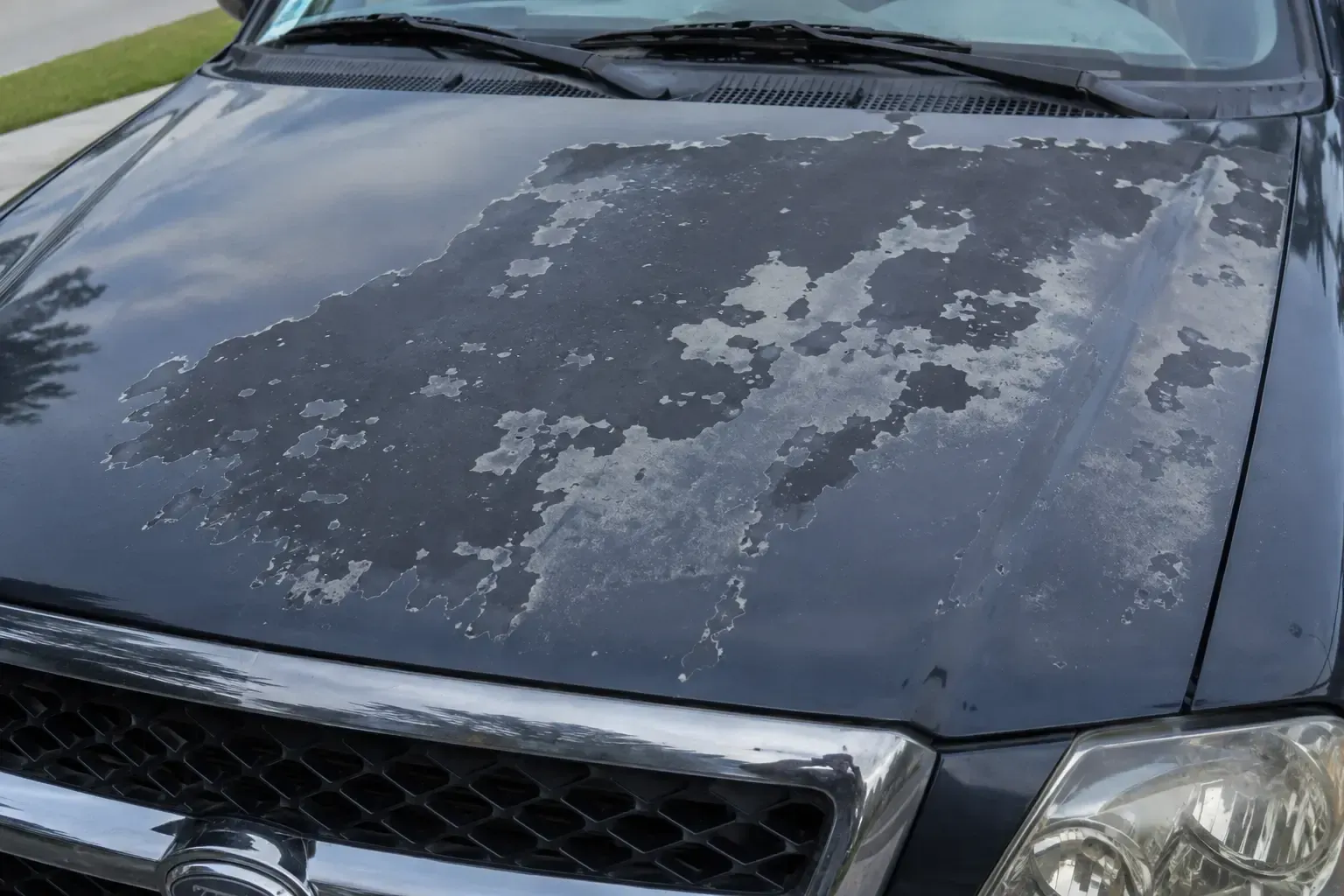
It’s easy to dismiss a minor scratch as something you’ll “get to later,” but delaying action can be a costly mistake. The value of your vehicle is heavily tied to its cosmetic condition. When it comes time to sell or trade in your car, a potential buyer or dealership appraiser will notice scratches immediately. A vehicle with a flawless finish commands a much higher price than one dotted with scrapes and scuffs. What might seem like a small imperfection can translate to hundreds, or even thousands, of dollars off the asking price. Beyond the financial impact, a scratch that penetrates the protective clear coat exposes the underlying paint and primer to the elements. In Las Vegas, the intense sun can cause the paint around the scratch to fade and peel, while moisture can seep in and lead to rust, which is far more complicated and expensive to repair. Addressing a scratch quickly is an investment in your vehicle's long-term health and value.
Decoding the Damage: A Guide to Identifying Car Scratches
Before you can fix a scratch, you must first understand its depth. A car's paint job is composed of multiple layers: a base layer of primer, several layers of colored paint, and a final, durable clear coat on top that provides protection and shine. The severity of a scratch is determined by how many of these layers it has broken through.
The Fingernail Test: A Simple Diagnostic Tool
One of the easiest ways to gauge a scratch's depth is the fingernail test. Gently run your fingernail across the scratch. If your nail glides over it without catching, it's likely a superficial scratch limited to the clear coat. These are often the easiest to fix. However, if your fingernail catches in the groove, it indicates the scratch has gone deeper, likely into the paint or even the primer layer. This simple test is your first clue in deciding whether to attempt a DIY repair or to seek professional help.
Types of Car Scratches at a Glance
To help you better understand the damage, here’s a breakdown of the common types of scratches:
| Type | Description | DIY Fixable? | Professional Help Recommended? |
|---|---|---|---|
| Clear Coat Scratch | The most common and shallowest type. It hasn't broken through the protective top layer. It often looks like a faint white line. Your fingernail will not catch on it. | Yes, highly. Usually fixable with a quality polishing compound. | Only if you are uncomfortable with the process or if there are many of them. |
| Paint Scratch | This scratch has gone through the clear coat and into the color paint layer. You may see a different shade or the lighter-colored primer underneath. Your fingernail will catch. | Possibly, for very small chips or lines using a touch-up paint pen. Requires patience and a steady hand. | Yes, for a seamless and durable repair, especially for larger areas. |
| Deep Paint Scratch | The most severe type. The scratch has penetrated all layers of paint and exposed the bare metal of the car's body panel. This is a high-priority fix to prevent rust. | Not recommended. A DIY fix will be very noticeable and may not properly seal the metal from moisture. | Absolutely. This requires professional sanding, priming, painting, and clear-coating to be fixed correctly. |
The DIY Toolkit: Fixing Minor Scratches at Home
For those superficial clear coat scratches, a DIY approach can be incredibly effective and satisfying. With the right tools and a bit of patience, you can make those light scuffs disappear. Before you begin any repair, it's crucial to work on a clean, dry surface. Wash and dry the affected area thoroughly to remove any dirt or debris that could cause further scratching.
Step-by-Step: Removing a Clear Coat Scratch
- Clean the Area: Use car soap and water to wash the scratch and the surrounding panel. Dry it completely with a clean microfiber towel.
- Apply Polishing Compound: Squeeze a small amount of a high-quality scratch removal or polishing compound onto a microfiber applicator pad.
- Buff the Scratch: Using firm, circular motions, rub the compound into the scratch. Then, switch to back-and-forth motions perpendicular to the direction of the scratch. This helps to gently level the clear coat, effectively making the scratch invisible.
- Wipe and Inspect: Use a clean, dry microfiber towel to wipe away the excess compound. Inspect the area from different angles to ensure the scratch is gone. You may need to repeat the process 2-3 times for more stubborn scuffs.
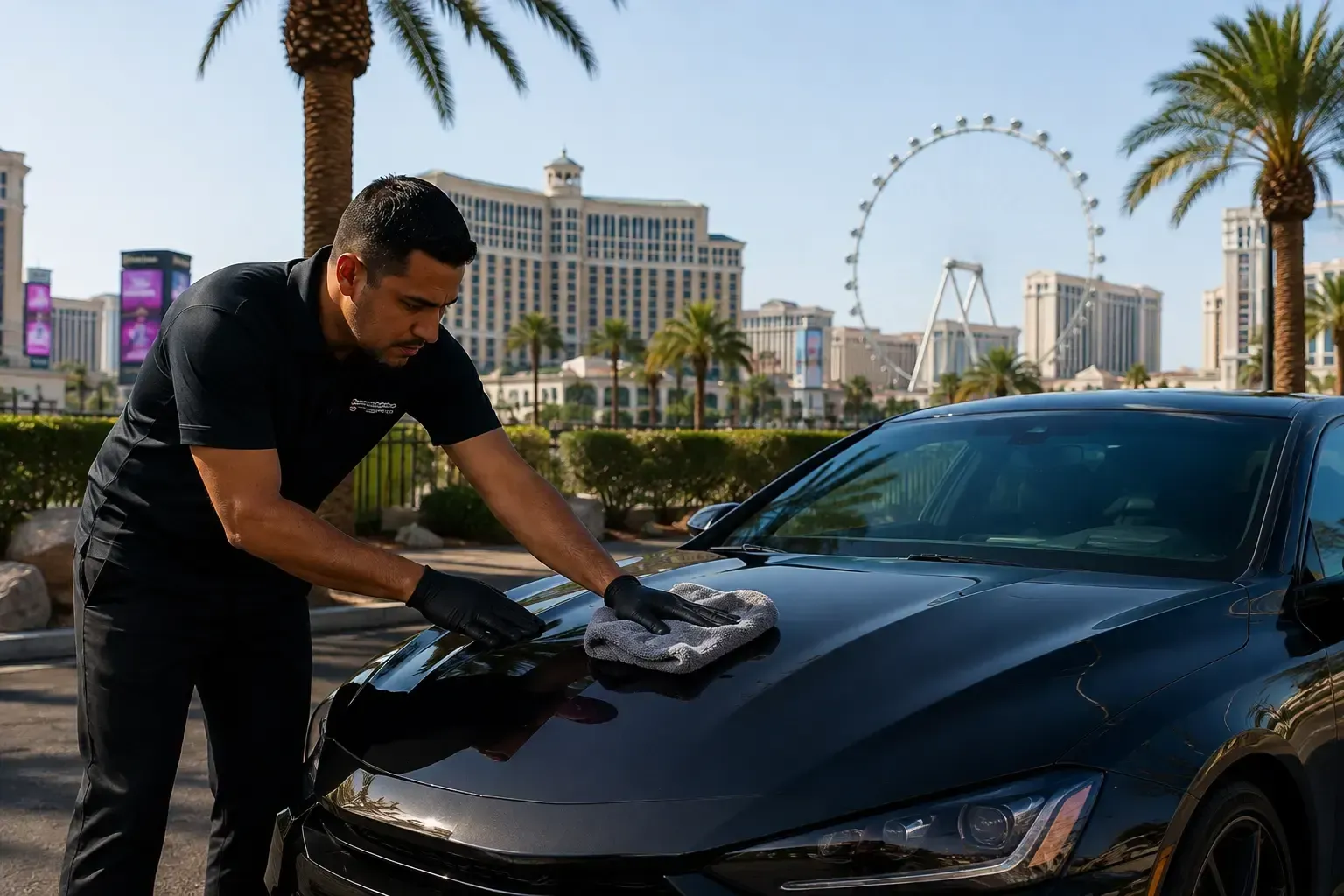
- Protect the Area: Once the scratch is removed, apply a layer of car wax to the area to protect the newly polished clear coat and restore its shine.
When to Trust the Professionals: Scratches That Demand Expert Care
While DIY methods are great for minor issues, it’s important to know your limits. Attempting to fix a deep scratch without the proper training and equipment can often make the problem worse, leading to a more expensive professional repair later. You should call in the experts if you encounter any of the following:
- Scratches that catch your fingernail: This is the golden rule. If you can feel it, it’s too deep for a simple polish.
- Exposed Metal or Primer: Any scratch that shows the grey/white primer or the shiny silver metal underneath needs immediate professional attention to prevent rust.
- Large or Numerous Scratches: If a large area of your car is scratched (e.g., a keyed door), a professional can ensure a consistent, factory-quality finish that's impossible to achieve with a touch-up pen.
- Specialty Paint Finishes: Cars with matte, satin, or tri-coat pearl finishes require special techniques and products. Using standard compounds on these surfaces can ruin them.
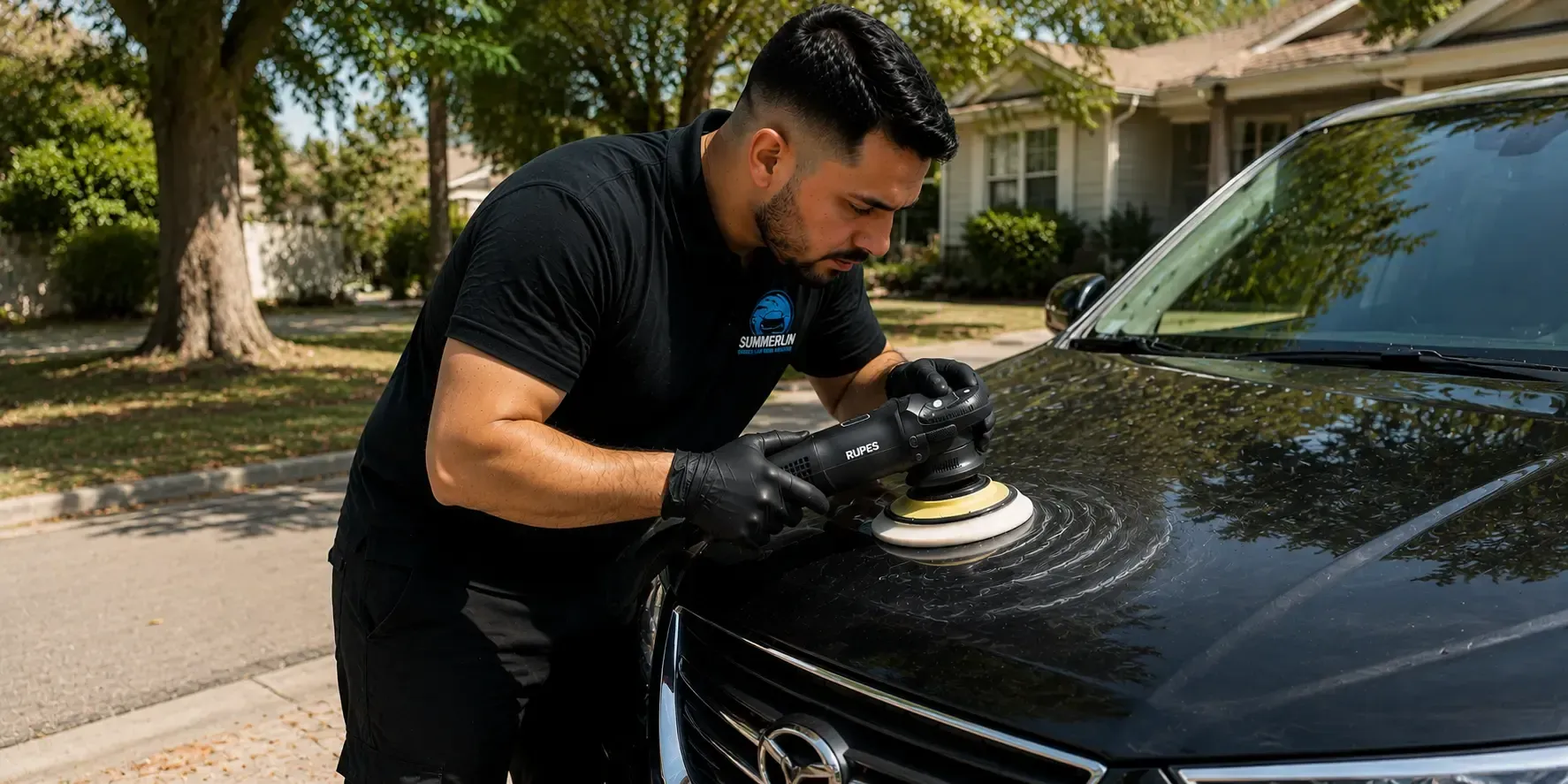
At LFL Mobile Car Wash of Summerlin Vegas, we offer a range of professional detailing and paint correction services designed to handle these exact problems. Our trained technicians use specialized tools and techniques to safely remove scratches and restore your paint to its original glory, ensuring a perfect, lasting result.
Prevention is the Ultimate Fix: Protecting Your Car's Finish
The best way to deal with scratches is to avoid them in the first place. A few simple habits and protective measures can drastically reduce the risk of paint damage.
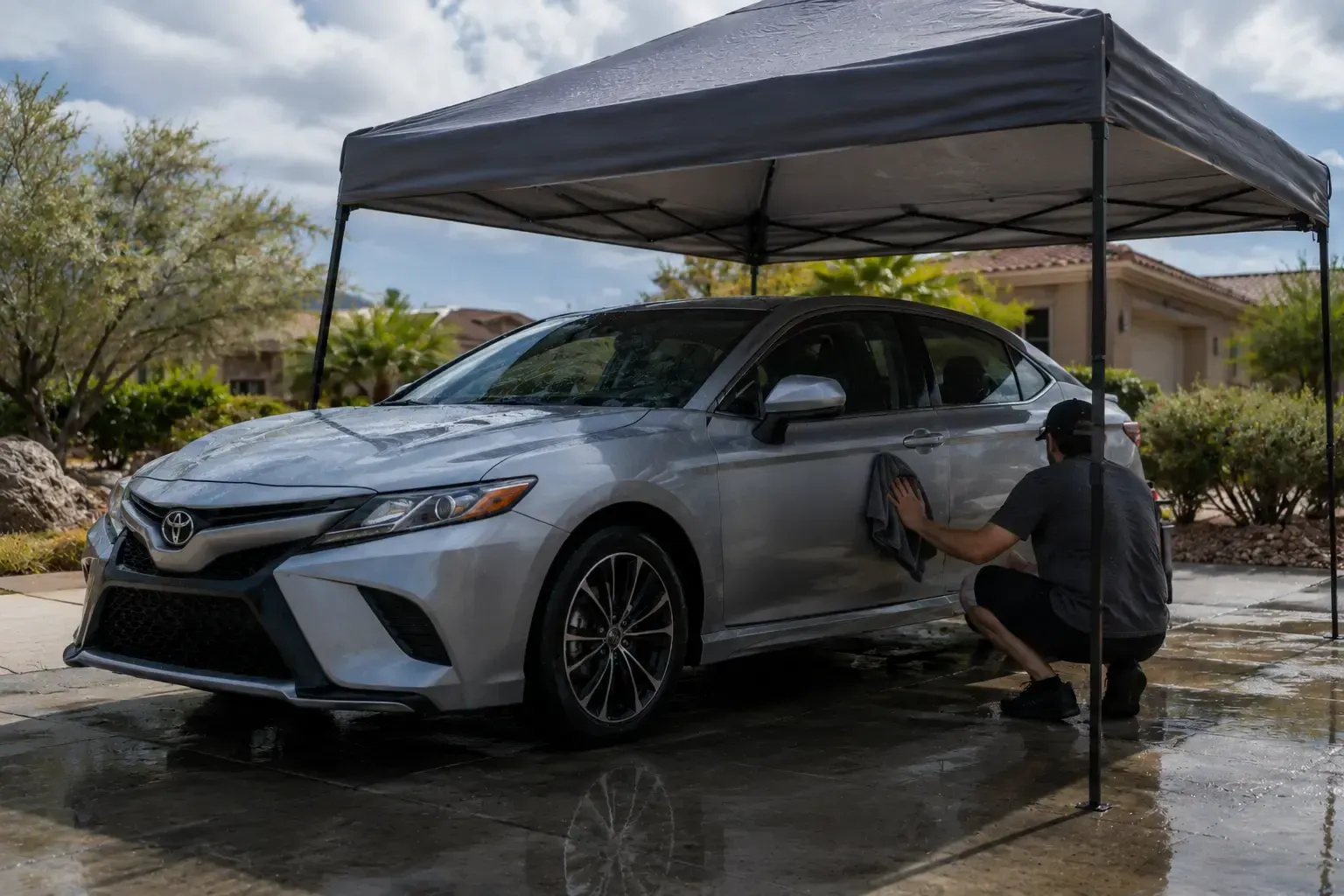
- Wash Your Car Regularly: A layer of dirt and grime can act like sandpaper. Regular, proper washing removes these abrasive particles. We recommend a two-bucket wash method to prevent reintroducing dirt onto the paint.
- Apply Wax or a Sealant: A quality coat of wax or paint sealant provides a sacrificial barrier between your clear coat and the environment. It can absorb the damage from very light scuffs that would otherwise mar your paint.
- Consider a Ceramic Coating: For the ultimate in scratch resistance and long-term protection, a professional ceramic coating is an excellent investment. It creates a super-hard, hydrophobic layer that is much more resistant to light scratches, chemicals, and UV damage than a standard clear coat.
- Park Smart: Be mindful of where you park. Avoid parking too close to other cars, under trees where branches could fall, or near high-traffic areas like shopping cart returns. Whenever possible, park at the end of a row or further away from the entrance to minimize risk.
Restore Your Peace of Mind and Your Car's Value
Car scratches are an unfortunate reality of vehicle ownership, but they don’t have to be a permanent problem. By correctly identifying the type of scratch, you can make an informed decision on the best course of action. Simple clear coat scuffs can often be a rewarding DIY project, while deeper damage is a clear sign to call in the professionals. Taking care of scratches promptly and investing in preventative measures will not only keep your car looking its best but will also protect its value for years to come. If you're facing a scratch that seems too daunting to tackle yourself, don't hesitate to reach out to us. The team at LFL Mobile Car Wash of Summerlin Vegas is ready to help restore your car's flawless finish.
Frequently Asked Questions
Can toothpaste really fix a car scratch?
While you may have seen this 'life hack' online, it's not recommended. Toothpaste is an abrasive, and while it might diminish the look of a very fine clear coat scratch by dulling the surrounding area, it can also create a hazy finish or a network of even finer scratches. It's always better to use a product specifically designed for automotive paint, like a polishing compound.
How much does it cost to professionally fix a deep car scratch?
The cost can vary widely depending on the scratch's length, depth, and location on the vehicle, as well as the car's color and paint type. A single deep scratch on one panel could range from a few hundred to over a thousand dollars if the panel needs to be completely repainted and blended with the adjacent panels for a perfect match.
Will a car wash make existing scratches worse?
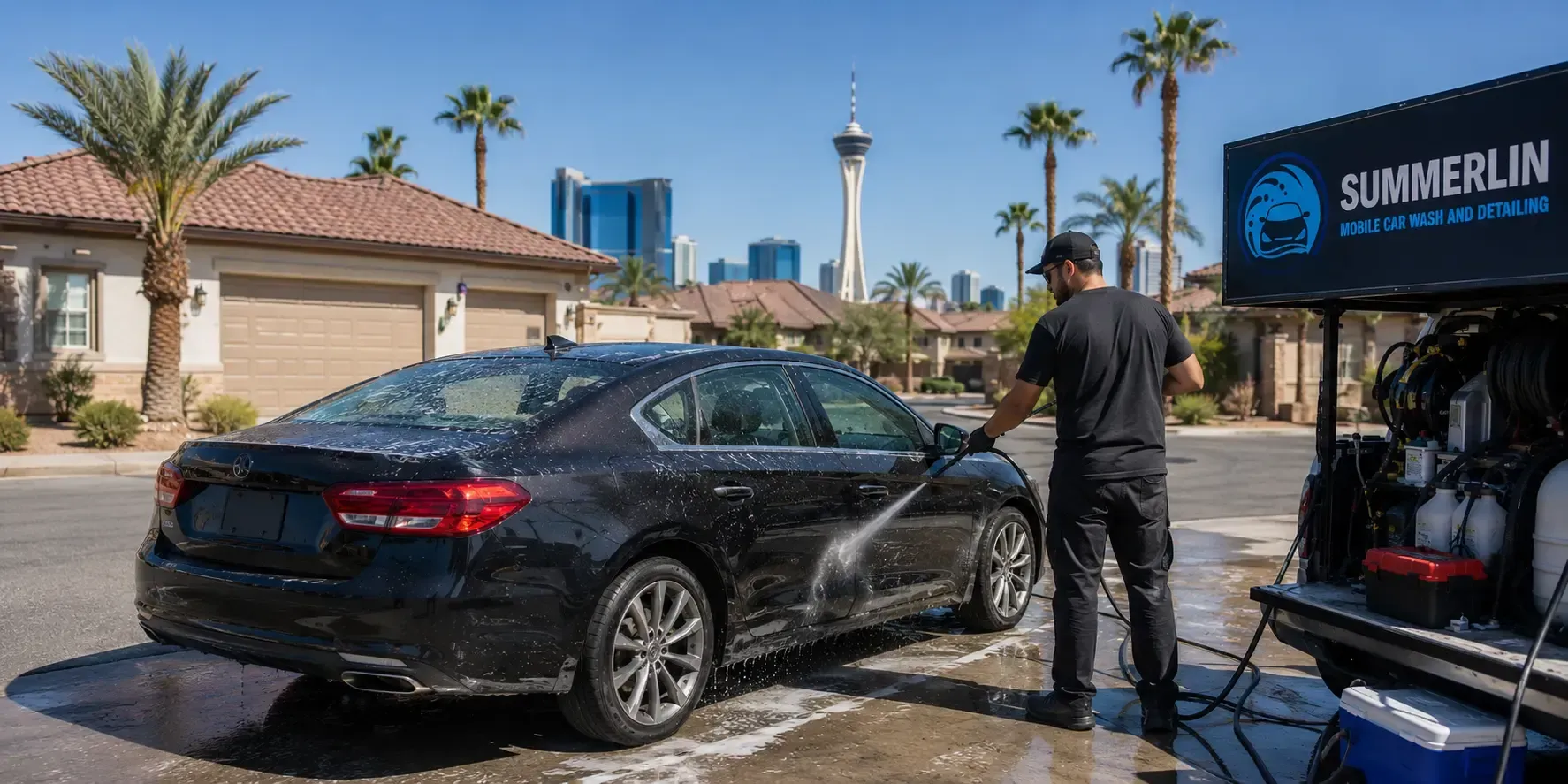
It depends on the type of car wash. An automated car wash with abrasive brushes can certainly make existing scratches worse or create new ones, especially on a dirty car. A touchless car wash is a safer option. However, the safest method is a proper hand wash, like the mobile detailing services we offer, which uses clean mitts and proper techniques to minimize any risk of scratching.
What's the difference between polishing and waxing?
Polishing is an abrasive process that corrects imperfections. A polish contains fine abrasive particles that shave down a microscopic layer of the clear coat to level out the surface and remove scratches, swirls, and oxidation. Waxing, on the other hand, is a protective process. Wax contains no abrasives; its purpose is to fill in microscopic pores in the paint and lay down a protective layer that enhances shine and shields the paint from UV rays, water, and dirt.