
Boost Your Car's Resale Value: The Power of Regular Car Waxing
When you think about maintaining your car's value, you probably consider regular oil changes and keeping the interior clean. But did you know that one of the most effective ways to protect your investment is through regular car waxing? It's more than just a cosmetic touch-up; it's a crucial step in car paint protection that can significantly impact its resale value.
Understanding Your Car's Paint Job
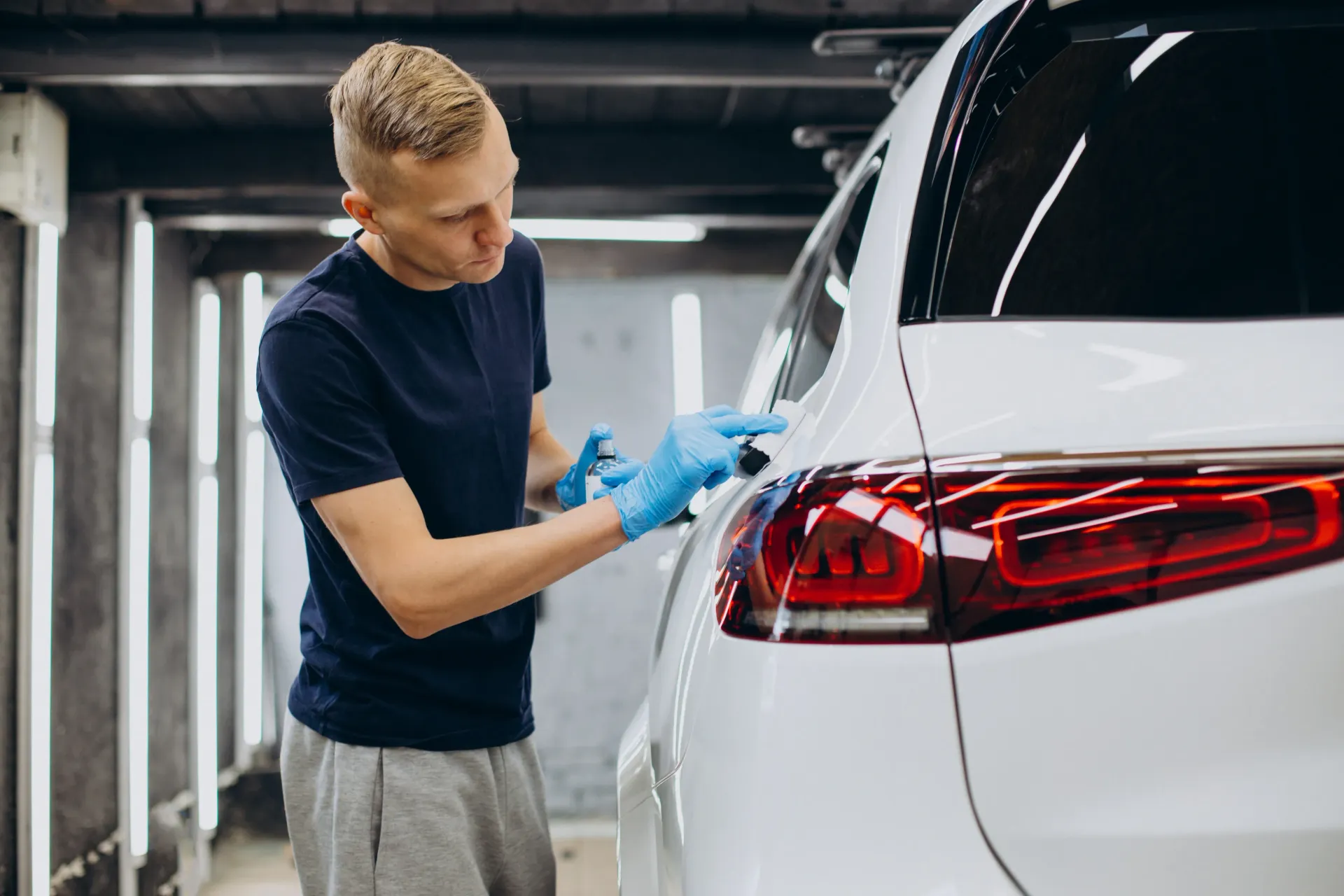
To appreciate the benefits of car waxing, it's helpful to understand what you're protecting. A car's paint job is a multi-layered system designed for both beauty and durability. It typically consists of three main layers:
- Primer: This is the first layer applied to the car's body, ensuring the paint adheres properly and providing a base level of corrosion resistance.
- Base Coat: This layer contains the color of your car. Whether it's a solid color, a metallic shimmer, or a pearlescent finish, the base coat is what gives your vehicle its distinct look.
- Clear Coat: The final, transparent layer is the clear coat. It's responsible for that glossy shine and acts as the first line of defense against environmental hazards. This is the layer that a good wax job primarily protects.
The Core Benefits of Regular Car Waxing
Regular car waxing is a proactive approach to vehicle maintenance that offers numerous advantages. By applying a layer of wax, you're creating a sacrificial barrier on top of the clear coat that shields your car from various forms of damage.
Essential Car Paint Protection
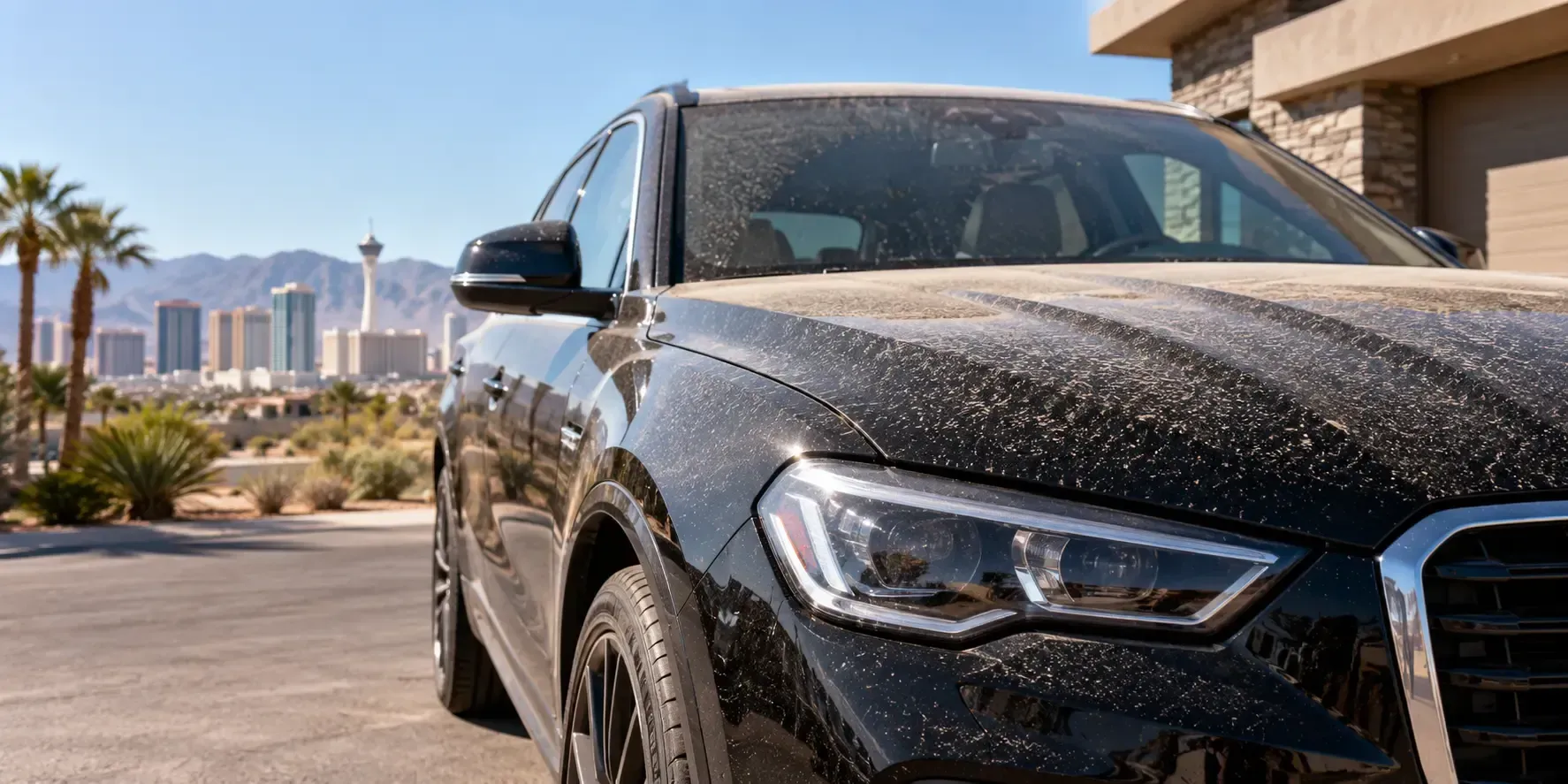
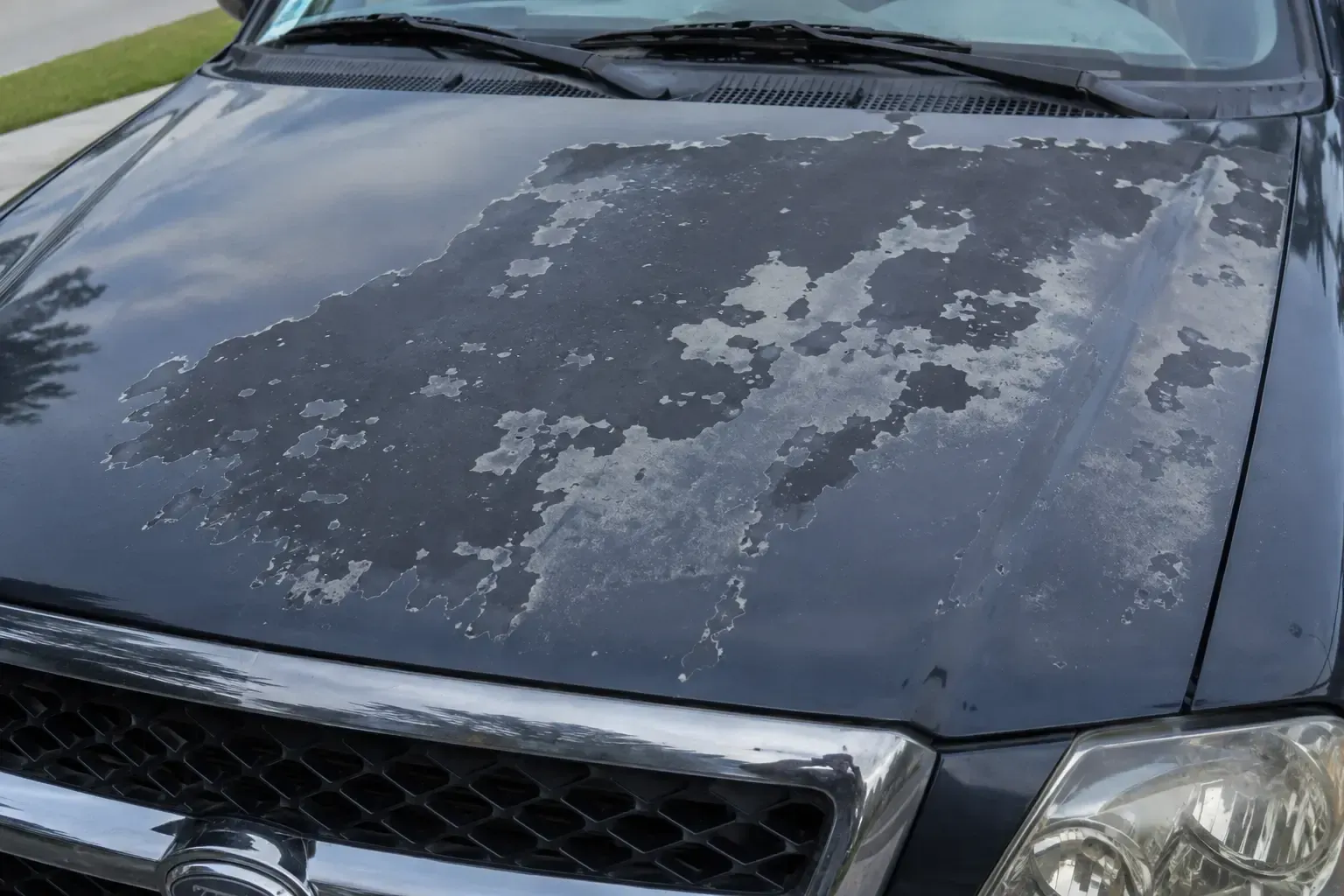
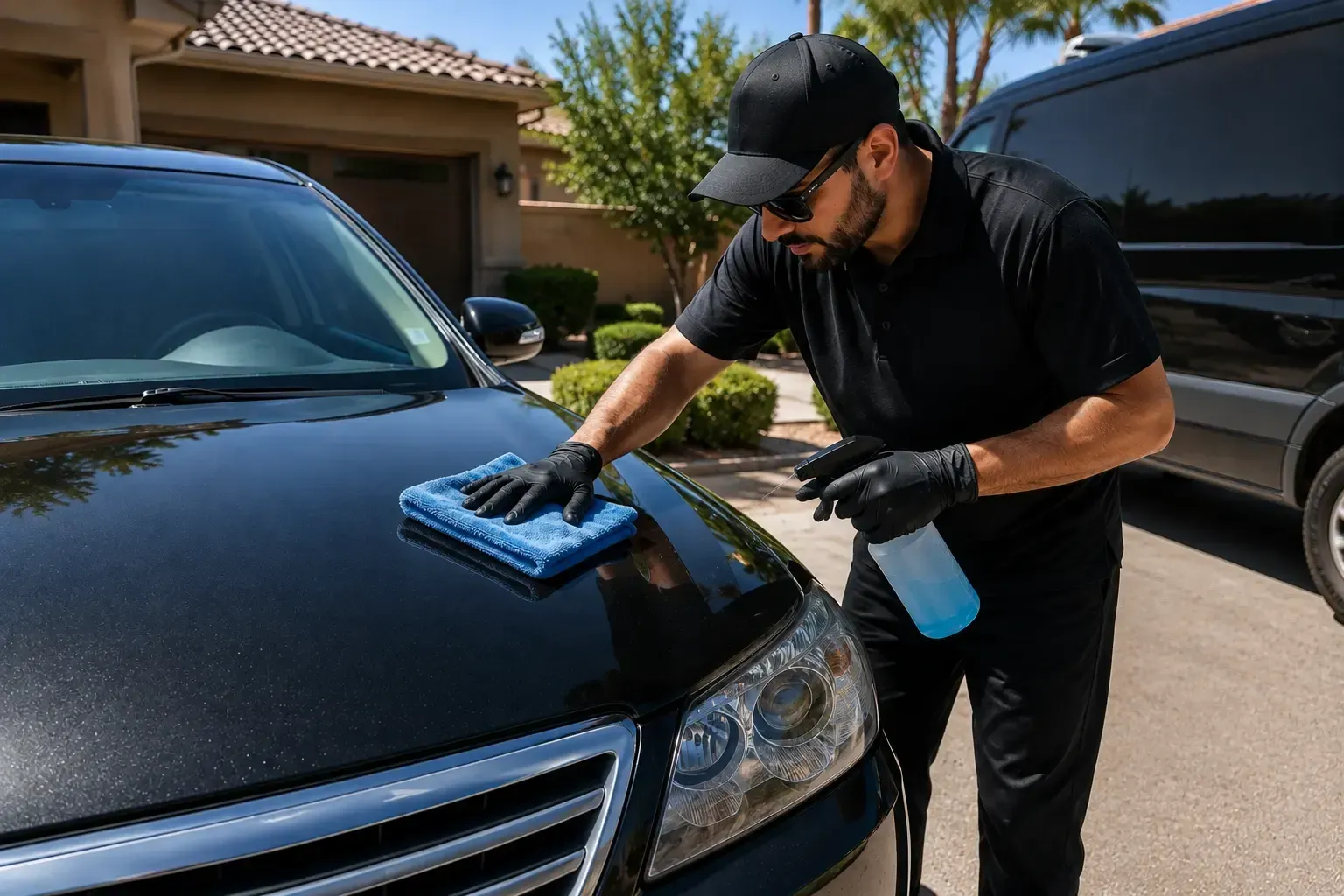
Your car is constantly exposed to the elements. Harmful UV rays from the sun can cause paint to fade and oxidize over time. Bird droppings, tree sap, and road grime are often acidic and can etch into the paint if not removed promptly. Regular car waxing provides a protective shield against these contaminants, preserving the vibrancy of your car's paint. The wax takes the brunt of the damage, leaving your clear coat unscathed.
Enhanced Appearance and Shine
One of the most noticeable car waxing benefits is the brilliant, glossy shine it imparts. The wax fills in microscopic scratches and imperfections in the clear coat, creating a smooth, reflective surface. This deep shine makes your car look newer and well-maintained, significantly boosting its curb appeal.
Easier Cleaning
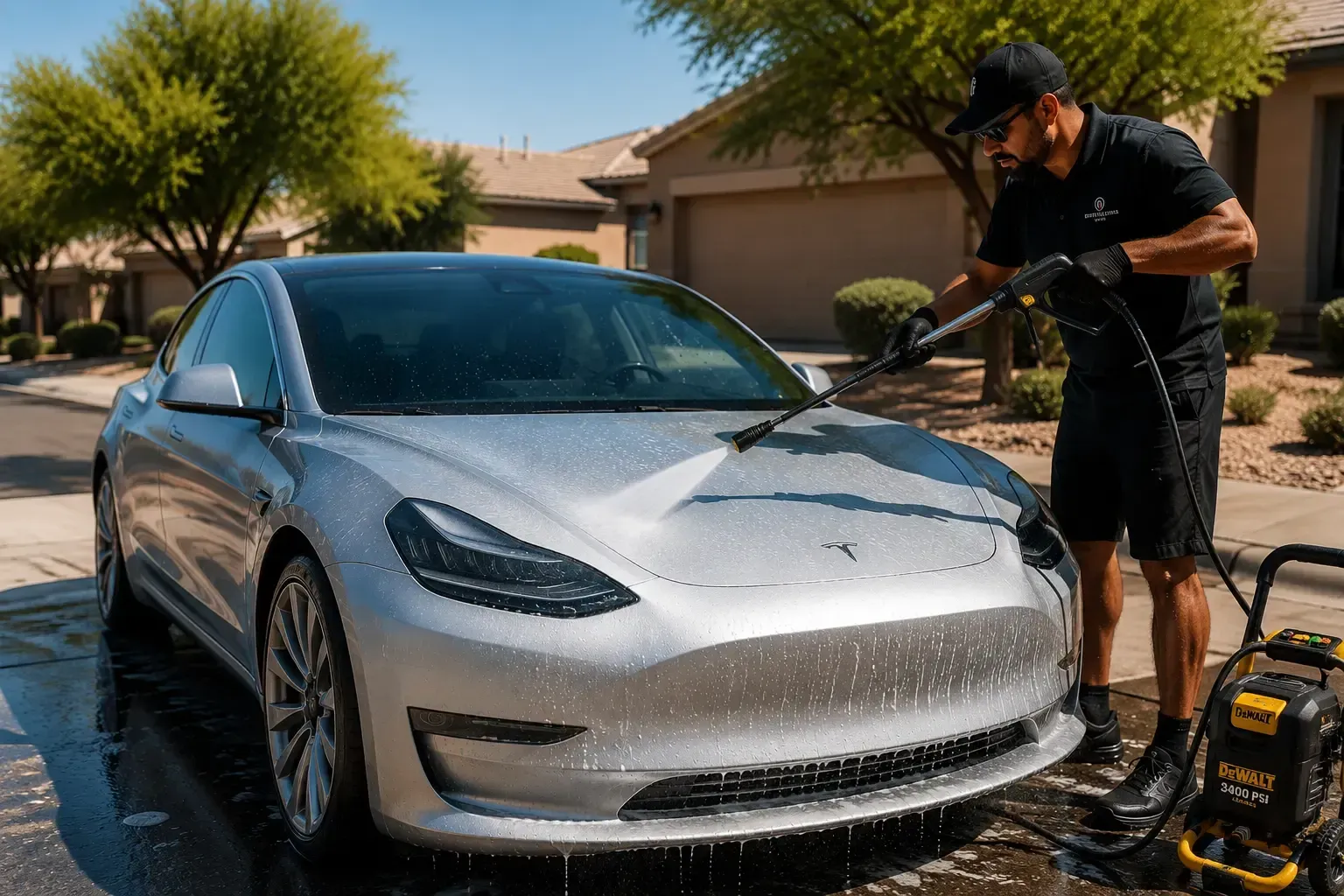
A waxed surface is hydrophobic, meaning it repels water. This causes water to bead up and roll off the surface, taking dirt and grime with it. This not only looks impressive but also makes washing your car much easier and less time-consuming. Contaminants are less likely to stick to the slick, waxed surface.
How Car Wax Preserves Resale Value
The condition of a car's exterior is one of the first things a potential buyer notices. A vehicle with a shiny, well-maintained paint job immediately gives the impression of a well-cared-for car, which can translate to a higher resale value. Studies have shown that poor paint condition can reduce a car's value by up to 10%. Conversely, a car with well-maintained paint can command a significantly higher price.
By investing in regular car waxing, you are actively preserving the condition of your car's paint. This preventative measure helps to avoid costly paint correction or even a full repaint down the line. A consistent waxing routine is a small investment that pays dividends when it's time to sell or trade in your vehicle.
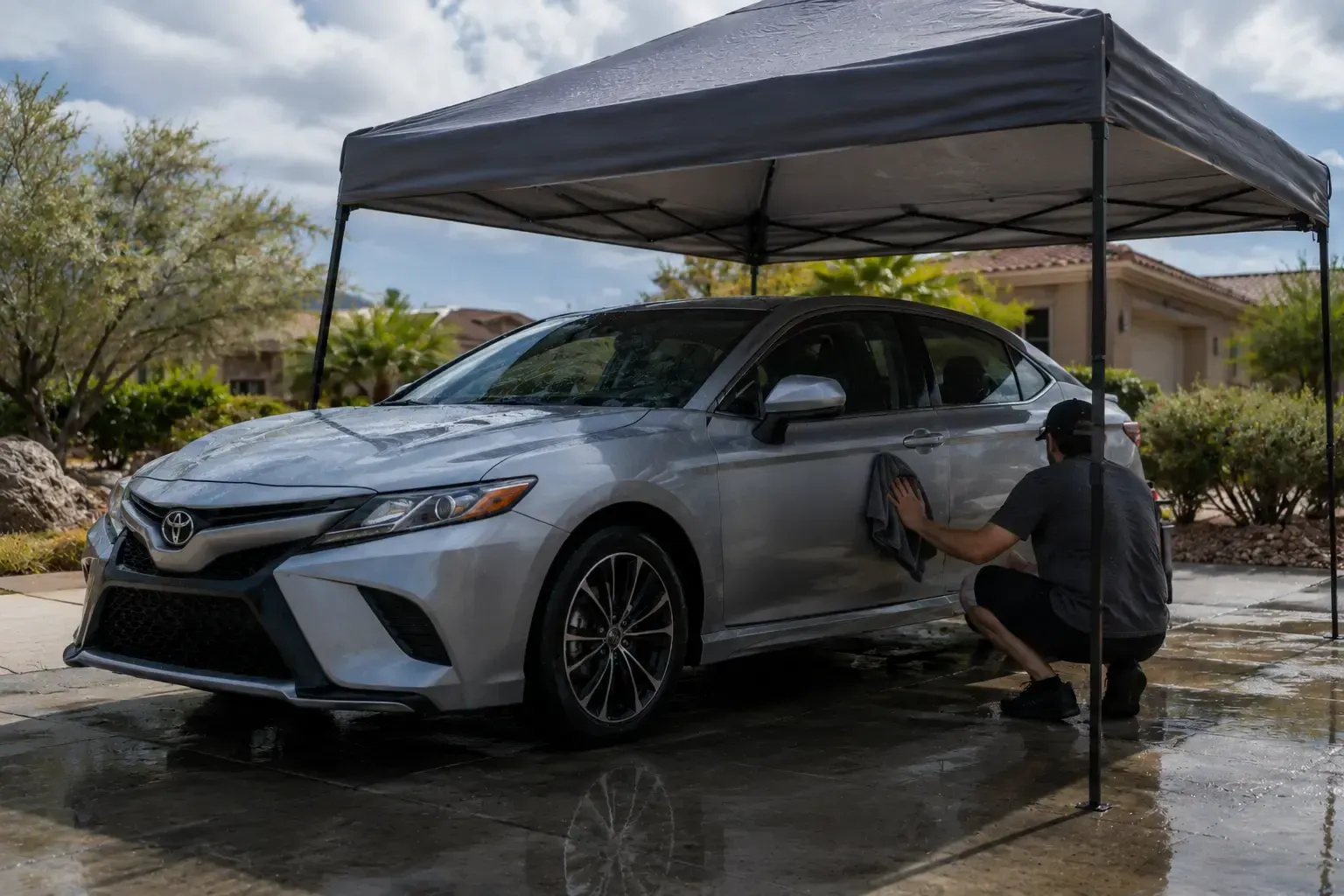
Here at LFL Mobile Carwash of Summerlin Vegas, we understand the importance of protecting your investment. Our professional waxing services use high-quality products to provide a durable layer of protection and an unbeatable shine, helping you maintain your car's value for years to come.
How Often Should You Wax Your Car?
The general recommendation for car waxing is every three to four months. However, this can vary depending on several factors:
- Climate: Cars in areas with harsh sun, like here in Las Vegas, or heavy rain and snow may need more frequent waxing.
- Storage: If your car is parked in a garage, the wax will last longer than if it's consistently exposed to the elements.
- Type of Wax: Synthetic waxes and paint sealants often last longer than traditional carnauba waxes.
A simple way to tell if your car needs a fresh coat of wax is the water bead test. If water beads up into small, tight droplets, your wax is still working. If the water spreads out in sheets, it's time to reapply.
Protecting your car's paint is essential for maintaining its beauty and value. Regular car waxing is a simple, yet highly effective, method of car paint protection that delivers a stunning shine and a higher car wax resale value. Don't wait for the damage to appear. Start a regular waxing routine today to keep your car looking its best. Ready to give your car the protection it deserves and maximize its resale value? Contact LFL Mobile Carwash of Summerlin Vegas today at (702)-761-3690 to schedule your professional waxing service!
Frequently Asked Questions
What is the difference between polishing and waxing a car?
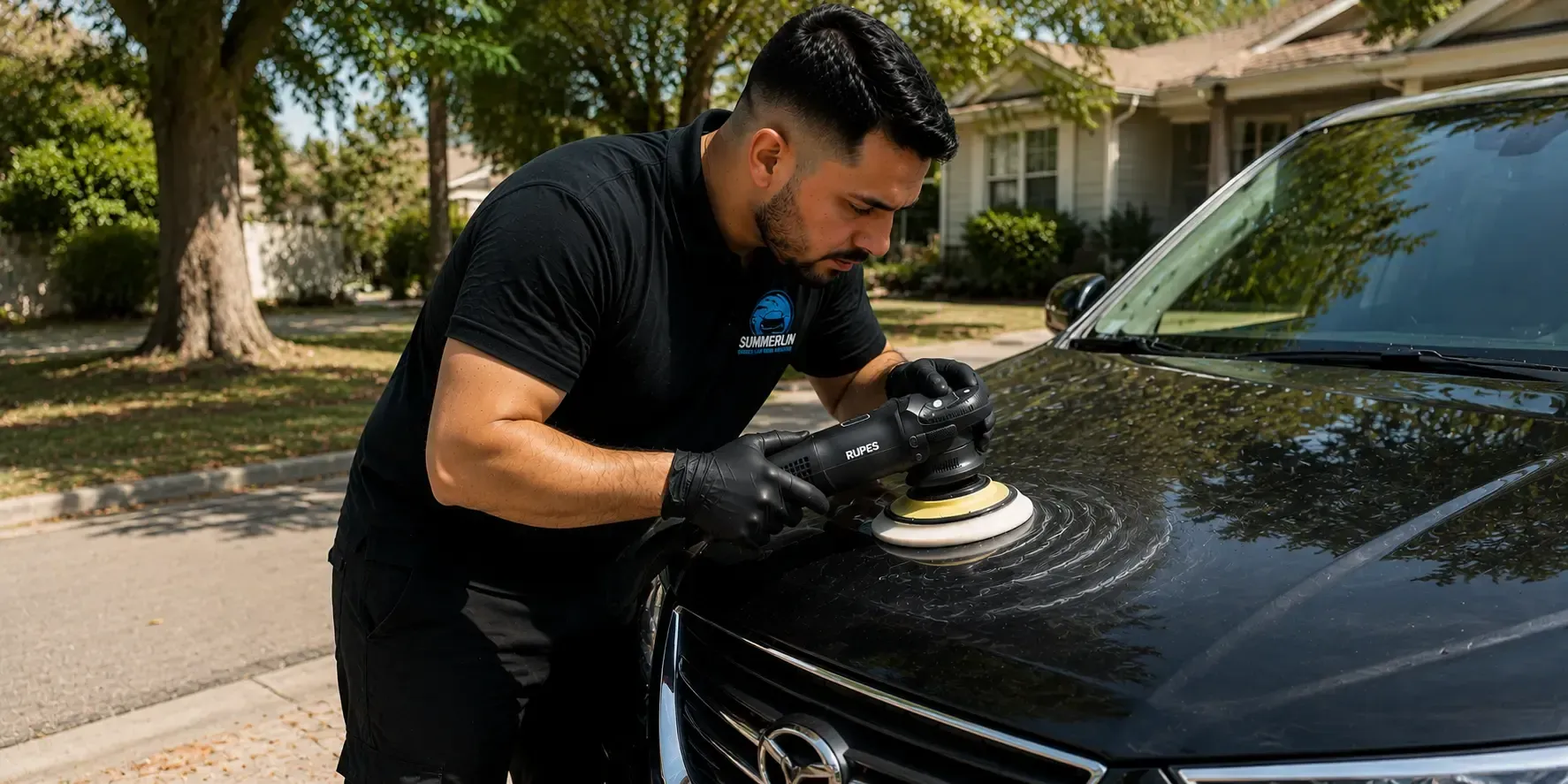
Polishing and waxing are two distinct processes. Polishing uses abrasives to remove minor scratches, swirl marks, and oxidation from the paint's clear coat, restoring its shine. Waxing, on the other hand, involves applying a protective layer over the paint to shield it from the elements and enhance its gloss. Polishing corrects imperfections, while waxing protects the corrected surface.
Can I wax a brand new car?
Yes, you can and should wax a new car. While the factory paint is fresh, it can still benefit from an added layer of protection against UV rays, bird droppings, and other environmental contaminants right from the start. Starting a regular car waxing routine early will help maintain that showroom shine for years.
Does car wax protect against scratches?
While car wax can fill in very fine, microscopic scratches to improve the paint's appearance, it does not make the surface scratch-proof. It provides a thin layer of protection that can help guard against very minor abrasions, but it won't prevent deeper scratches. For more robust scratch protection, options like paint protection film (PPF) or ceramic coatings are more effective.