Vegas Winter Paint Correction: Why Your Car is Quietly Dying in the Desert Cold
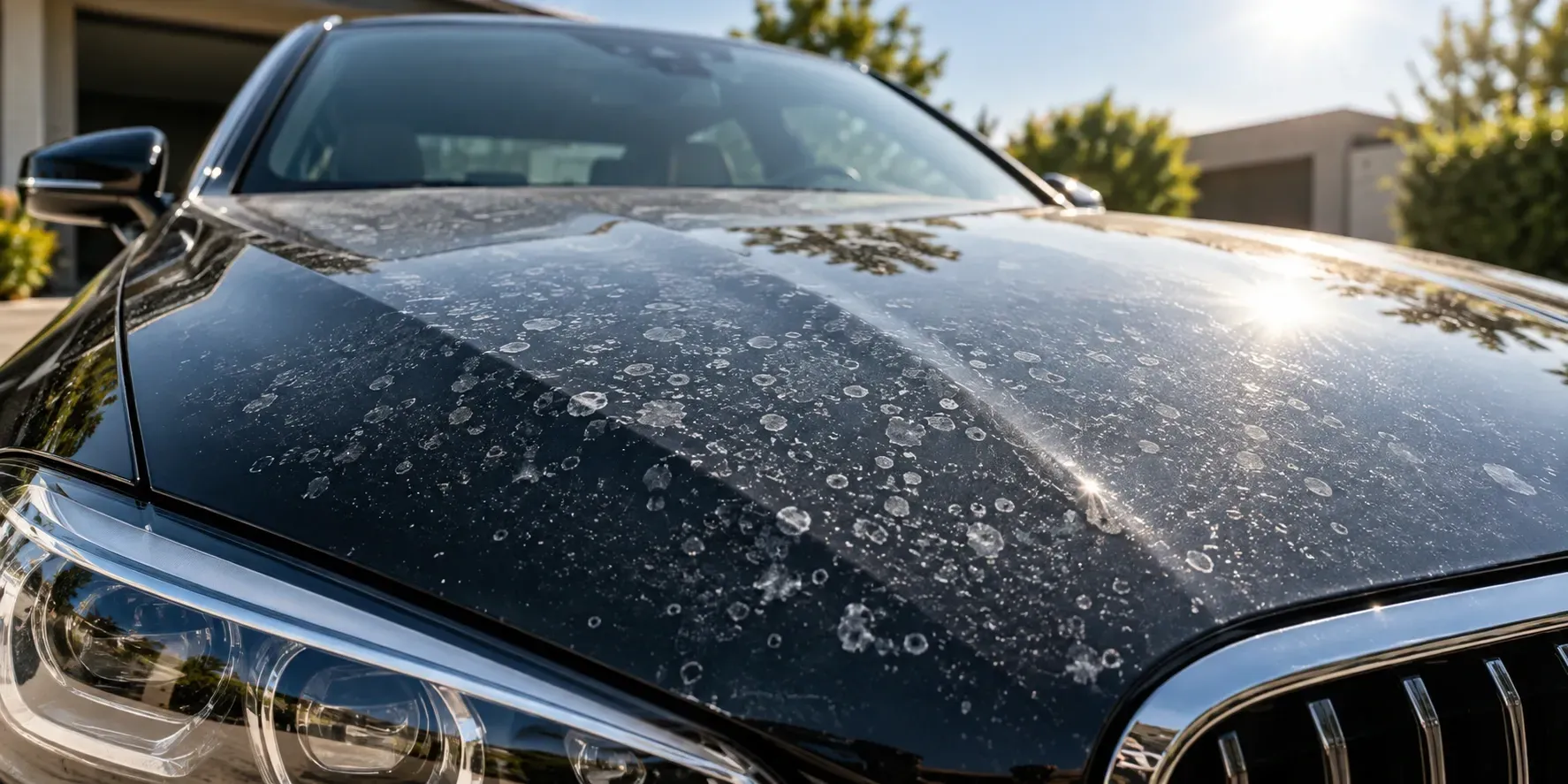
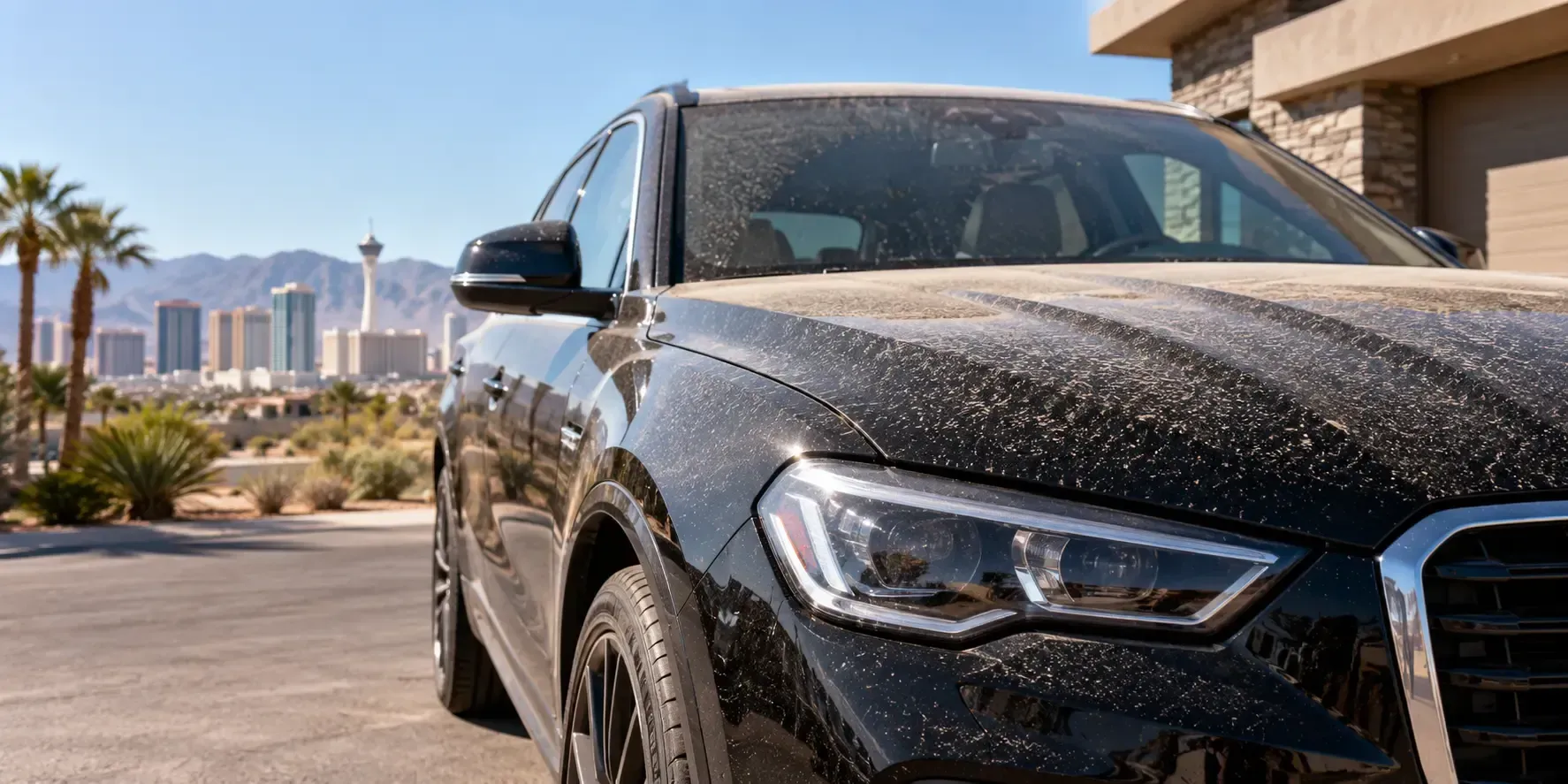
Your car is covered in a fine, grey film. You might think it is just a bit of dust from the 215. It isn't. That film is a cocktail of abrasive desert silica and corrosive minerals that are eating your clear coat alive while you sleep. Most Las Vegas vehicle owners assume winter is the "safe" season because we aren't hitting 115 degrees, but the reality is far more sinister. The desert winter is a slow-motion car crash for your paint job.
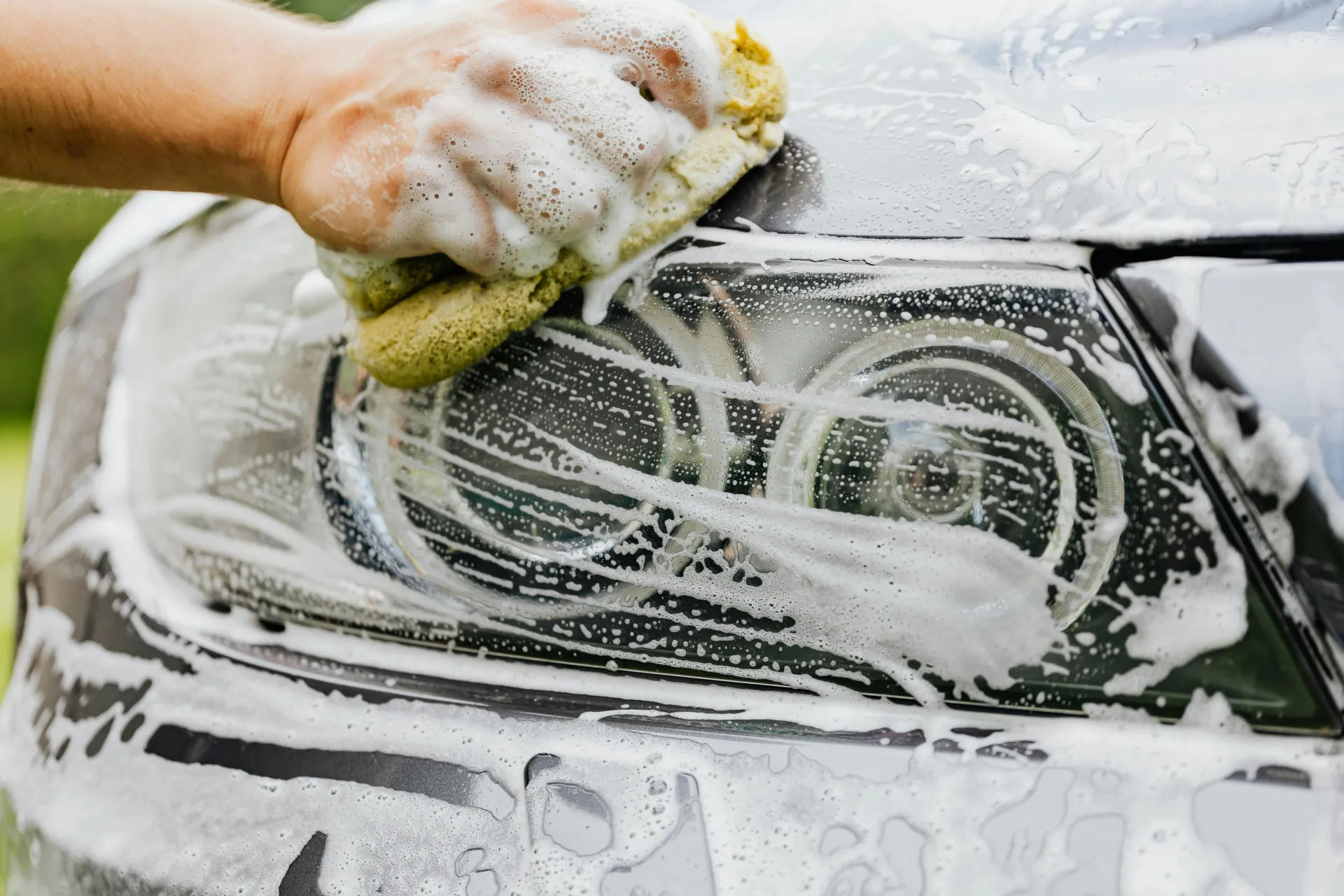
The Desert Winter Trap for Paint Surfaces
Think the cold is better than the heat? Think again. When temperatures drop in the valley, your vehicle’s paint and clear coat physically contract. This microscopic shifting makes the surface brittle. Now, add the wind. Las Vegas wind speeds in winter can whip up desert sand that acts like high-velocity sandpaper. According to local reports on desert oxidation, frequent washing is the only way to mitigate this abrasive buildup, but a standard bucket wash won't fix the damage already done.
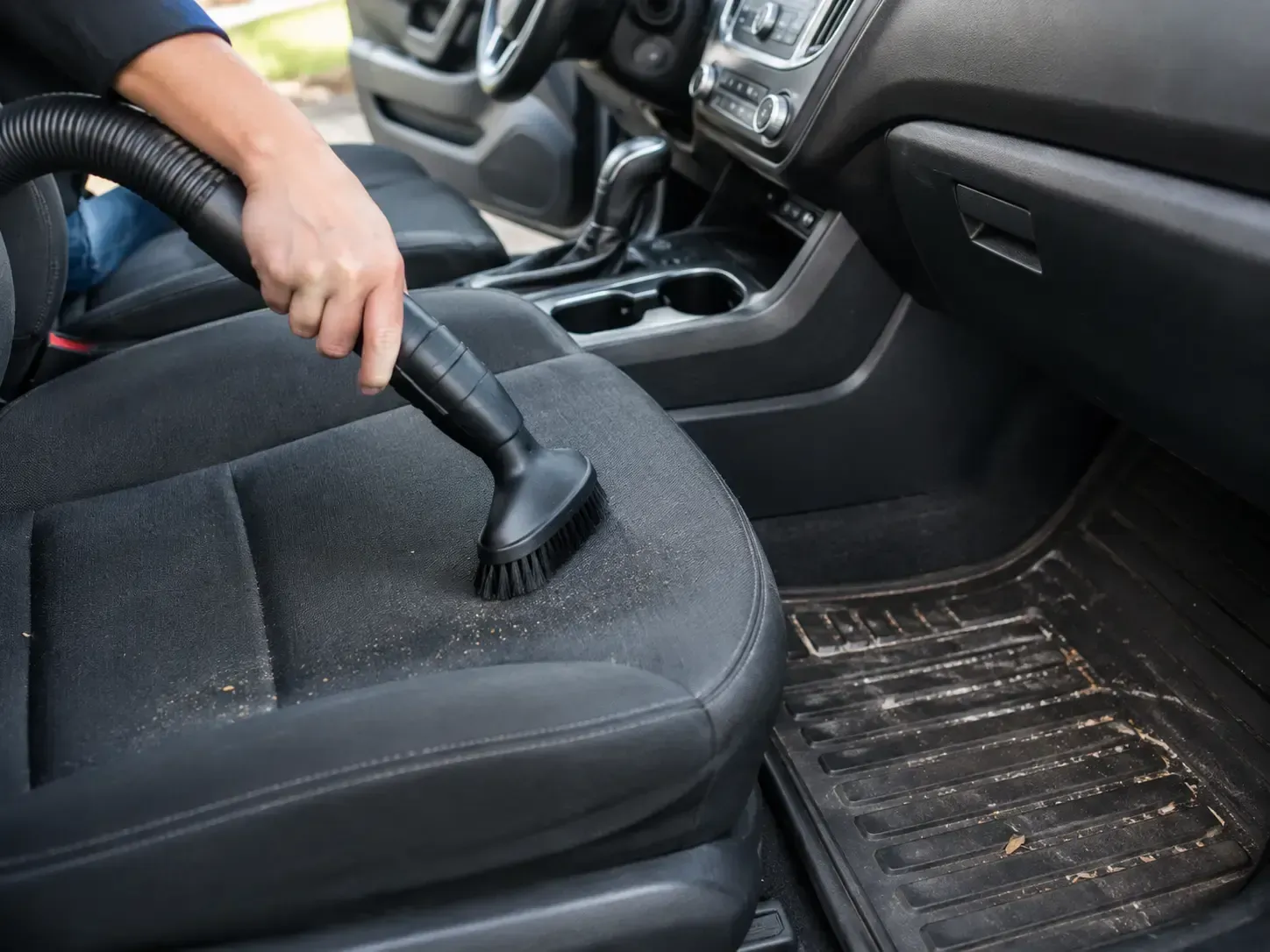
The real killer is the weekend trip to Mt. Charleston. To keep those mountain roads clear, crews use magnesium chloride. It is a sticky, liquid de-icer that clings to your wheel wells and rocker panels. Once you drive back down to Summerlin, that chemical stays active. It traps moisture against your paint and begins the corrosion process. If you don't remove it with a professional car wash and detailing service, you are essentially letting acid sit on your investment.
Why Automatic Car Washes are a Death Sentence
Stop going to the "tunnel" washes. You know the ones. Those spinning blue brushes are essentially slapping your car with the dirt of the five hundred cars that went through before you. In the winter, when your car is extra dirty from road grime and salt, those brushes turn into scouring pads. They create "swirl marks"—the circular spiderweb scratches you see when the sun hits your hood at the right angle.
LFL Mobile Carwash of Summerlin Vegas
sees this every single day. Owners think they are doing the right thing by getting a quick wash. Instead, they are paying to have their clear coat shredded. Professional paint correction is the only way to undo that damage. It isn't just a "buff and wax." It is a mechanical leveling of the clear coat to remove the scratches and restore the mirror-like finish your car had on the showroom floor.
The Science of Paint Correction in Las Vegas
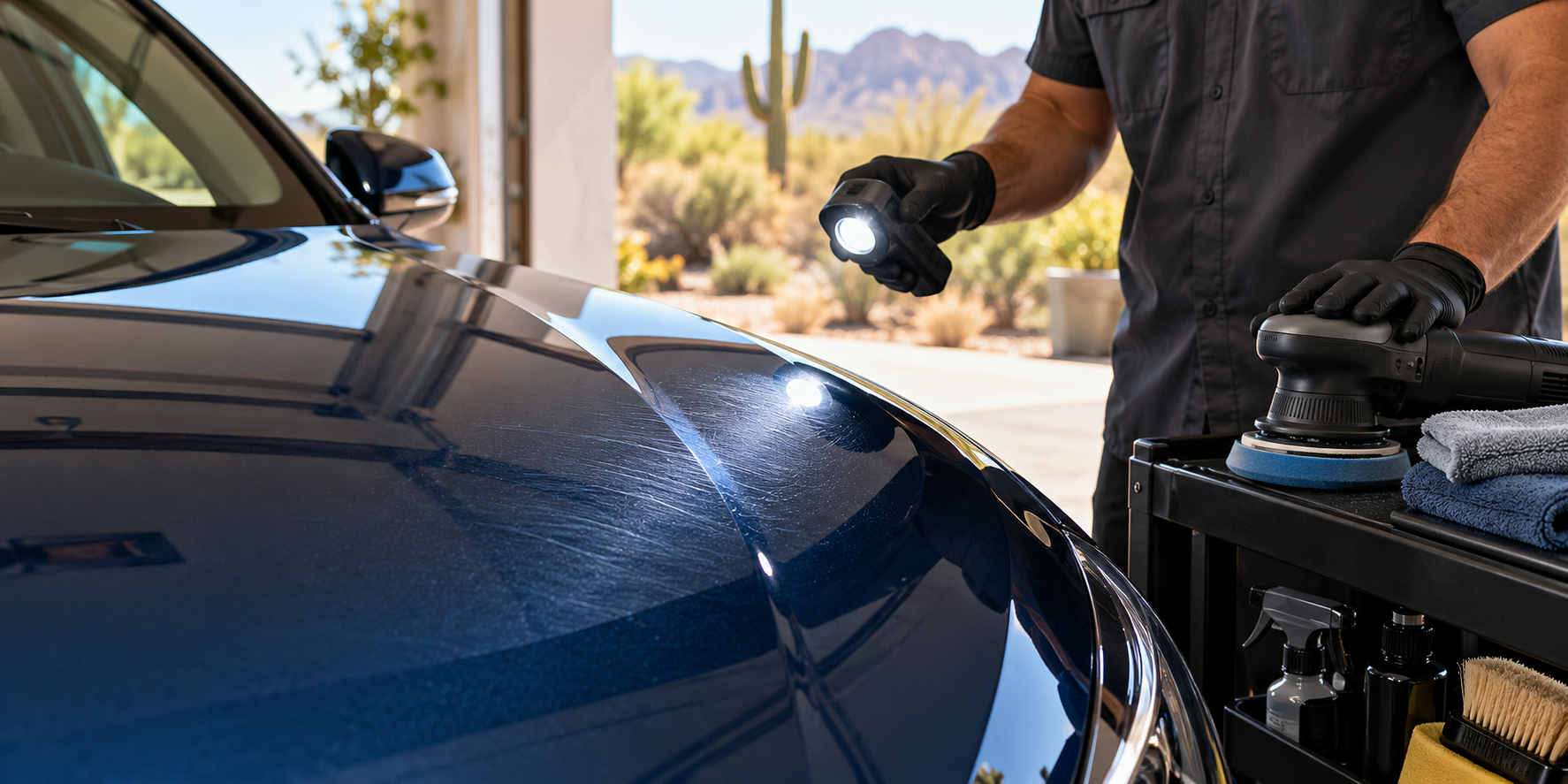
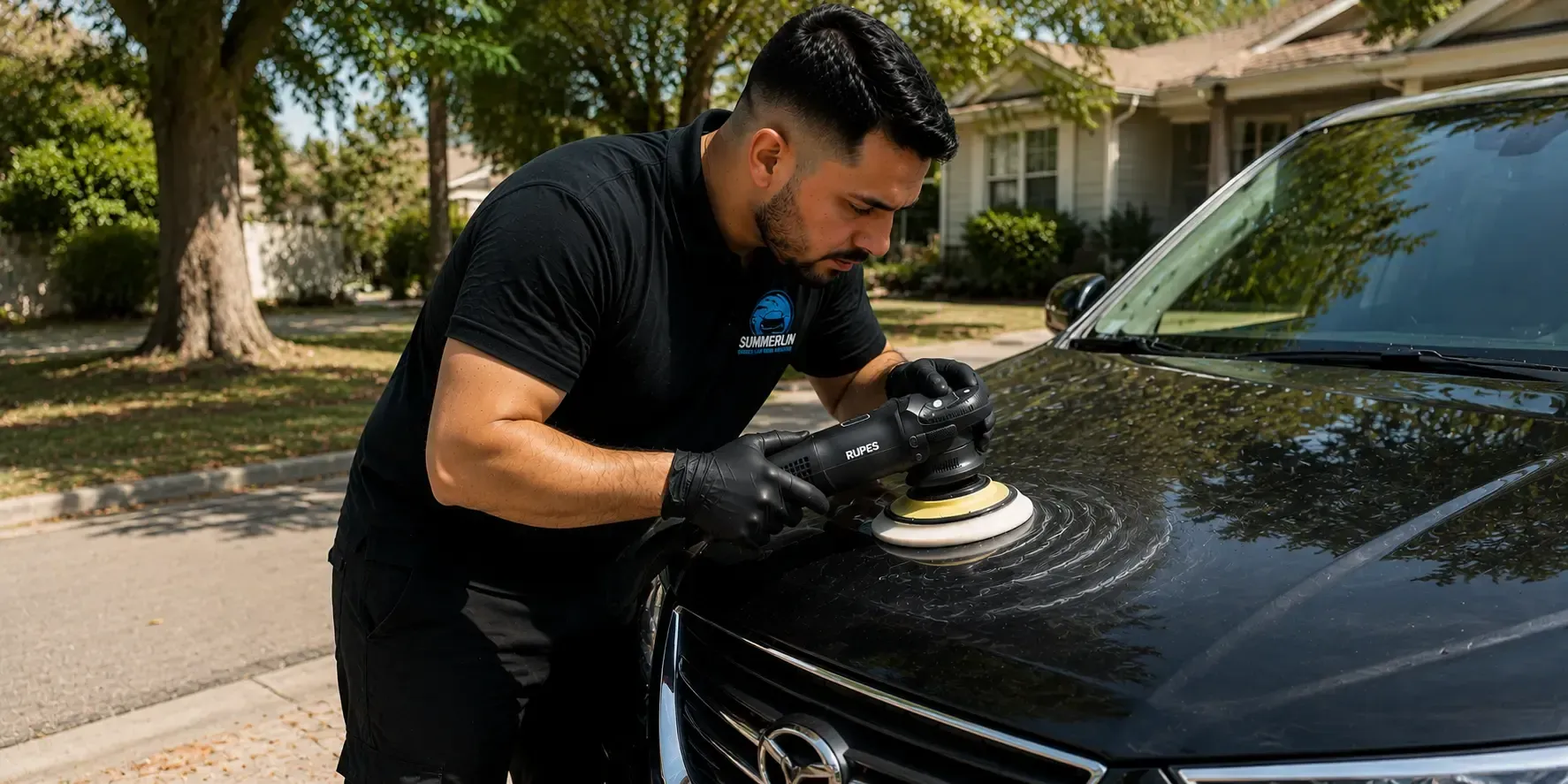
Paint correction is a surgical process. We use specialized LED lighting to find every imperfection—water spots from hard Vegas water, bird poop etching, and those dreaded swirls. By using various grades of abrasive compounds and polishing pads, we remove a microscopic layer of the clear coat. This levels the surface. When the surface is perfectly flat, light reflects off it uniformly. That is where the "deep" shine comes from.
Is it worth it in the winter? Absolutely. Correcting your paint in the cooler months is actually more effective. The panels aren't scorching hot, which allows the polishing compounds to work longer without drying out. This results in a cleaner, more refined finish. Furthermore,
industry experts confirm that paint correction is a mandatory prerequisite for any ceramic coating. If you coat over scratches, you are just sealing in the ugliness for the next five years.
The Summerlin Advantage: Mobile Detailing Excellence
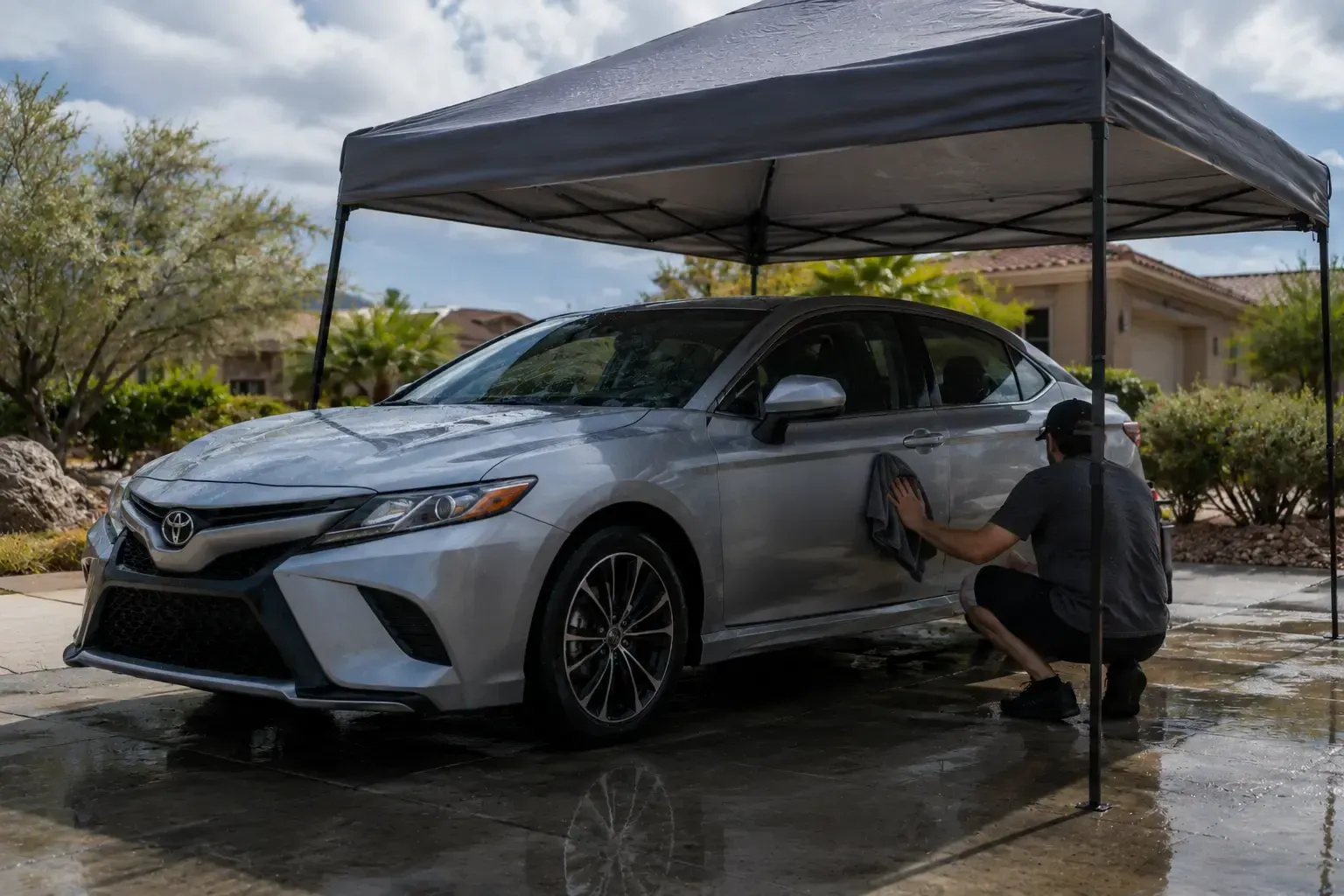
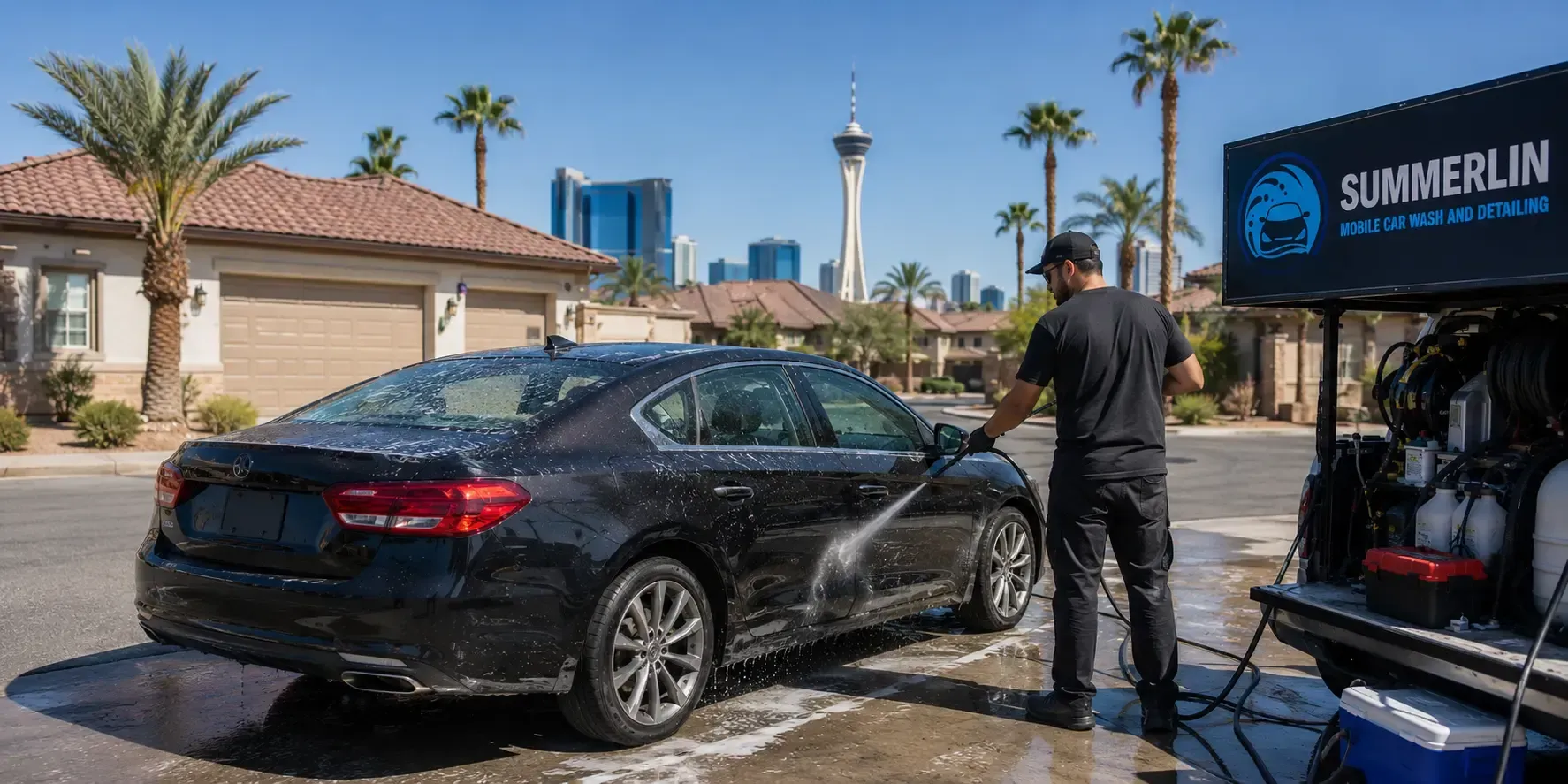
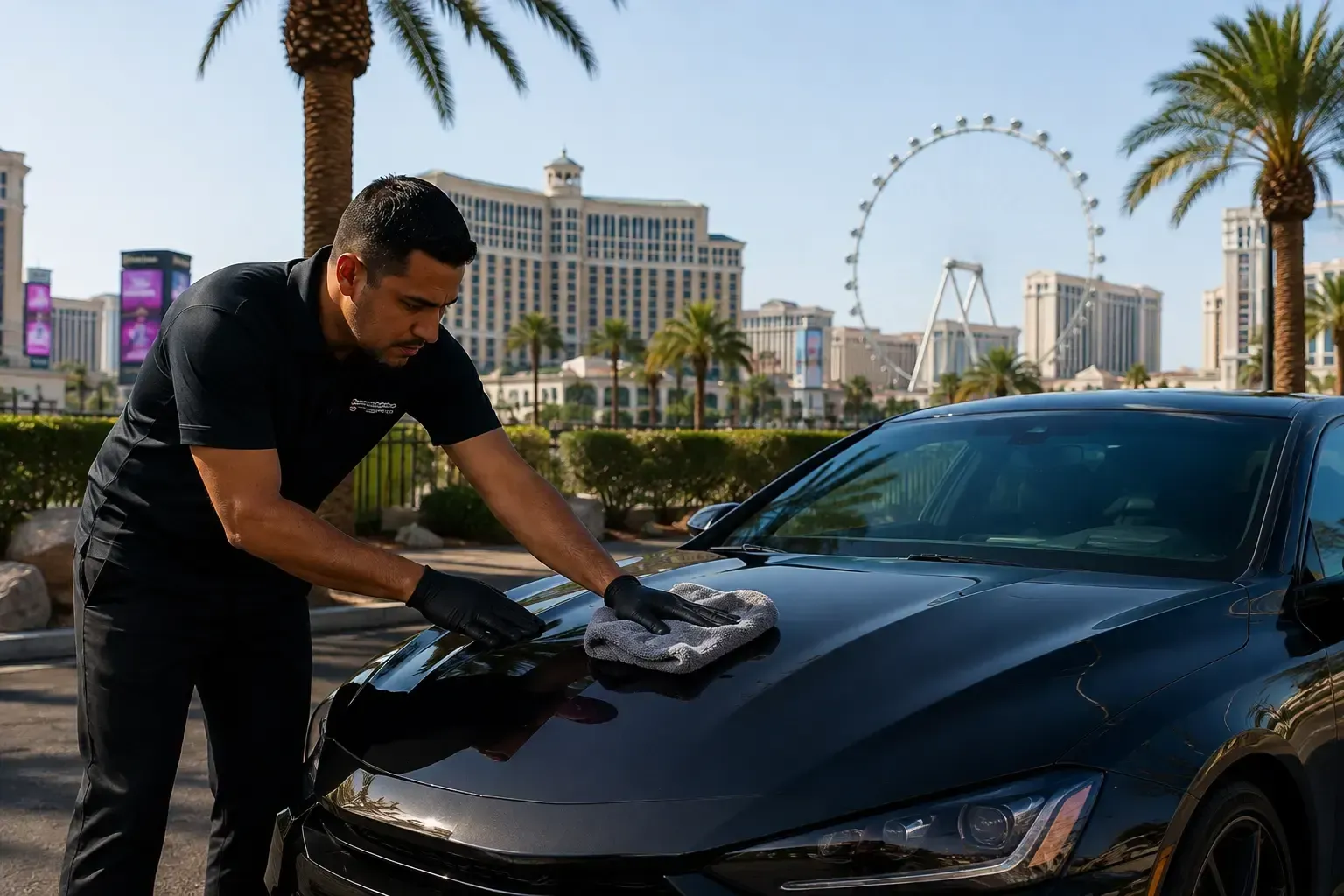
Time is the one thing you can't buy more of. If you live in Summerlin, you shouldn't be wasting your Saturday morning sitting in a greasy waiting room while some teenager sprays your tires with cheap silicone. LFL Mobile Carwash of Summerlin Vegas brings the shop to your driveway. We understand the specific micro-climate of the west side of the valley—the higher elevation, the increased wind, and the hard water issues.
We use de-ionized water systems to ensure no minerals are left behind to spot your paint. Our car wash and detailing packages are designed specifically for the high-end vehicles that frequent the Red Rock area. We don't just wash; we preserve. A winter paint correction followed by a high-grade sealant or ceramic coating creates a hydrophobic barrier. This means the dust and magnesium chloride literally slide off the car during your next maintenance wash.
Protecting the Resale Value
Las Vegas is a brutal market for used cars. Buyers look at the paint first. If your hood looks like it was cleaned with a brillo pad, you are losing thousands of dollars in resale value. Professional detailing is an investment, not an expense. A vehicle that has been maintained with regular paint correction and protection will always command a premium. Research from IBISWorld on the car wash industry shows that consumers are increasingly moving toward premium detailing services because they recognize the long-term financial benefits of paint preservation.
Don't wait until the spring to "fix" your car. By then, the winter contaminants have had months to etch into your clear coat. The deeper the etching, the more clear coat we have to remove to fix it. Catch it now. Protect it now. LFL Mobile Carwash of Summerlin Vegas is ready to transform your vehicle while you relax in the comfort of your home.
Frequently Asked Questions
Does Las Vegas road salt actually damage car paint?
Yes. While the city itself doesn't use heavy salt, trips to Mt. Charleston expose vehicles to magnesium chloride. This chemical is highly corrosive and clings to paint, accelerating rust and clear coat failure if not professionally removed via a detailed decontamination wash.
How often should I get paint correction in Las Vegas?
Typically, a full paint correction is only needed every 2–3 years if you maintain the vehicle properly. However, in the harsh Vegas climate, an annual "light" polish or enhancement is recommended to remove oxidation and desert dust micro-marring that accumulates over the winter months.
Is a mobile car wash better than a stationary detail shop?
Mobile detailing offers superior convenience and personalized service. LFL Mobile Carwash of Summerlin Vegas uses professional-grade equipment and filtered water at your location, ensuring your car isn't exposed to the cross-contamination often found in high-volume stationary car wash tunnels.