
Say Goodbye to Scratches: The Best Ways to Repair Your Car’s Paint
The Fingernail Test: Assessing the Damage
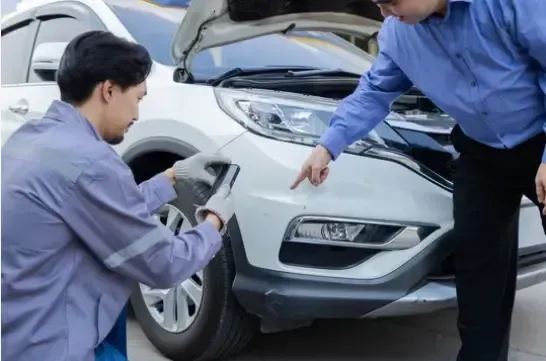
Before you run to the auto parts store, you need to know what you’re up against. Modern car paint isn't just one layer. It’s a sandwich. On the bottom, you have the primer. Then comes the base coat—that’s your color. Finally, everything is sealed under a clear coat. Most "scratches" are actually just marring in that top clear layer. How do you tell? Use your fingernail. Gently run your nail across the scratch. If your nail slides over it without catching, you’re in luck. That’s a surface-level imperfection. If your nail clicks or drops into a groove, the damage has reached the paint or, worse, the metal. According to technical guides from Municibid, failing this test means a simple polish won't cut it. You’re going to need more than just elbow grease.
The DIY Trap and Why Scratch Pens Fail
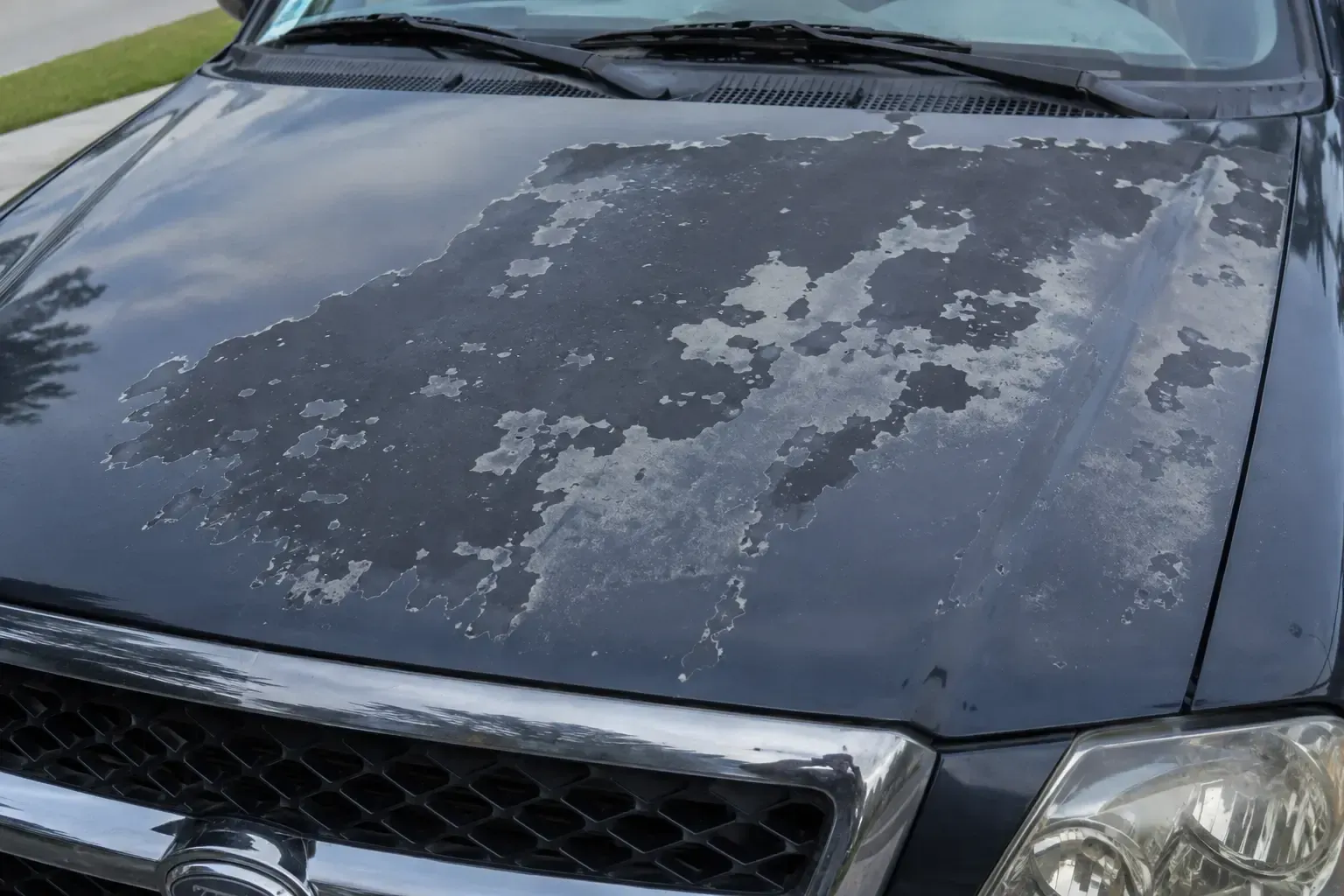
We’ve all seen those "miracle" scratch repair pens on late-night TV. They promise to make deep gouges vanish with one swipe. Don't buy the hype. Most of these pens are just glorified clear-coat applicators. They don't fill the void; they just temporarily wet the area so the light doesn't catch the scratch as easily. Within a few washes, the scratch is back. Even worse, if you use a cheap DIY kit and over-sand the area, you can burn through the clear coat entirely. Once the clear coat is gone, the paint underneath oxidizes and turns cloudy. Now, instead of a $200 repair, you’re looking at a $1,000 professional respray. If you aren't comfortable with a dual-action polisher, leave the heavy lifting to a professional auto detailing service.
Step-by-Step: The Professional Way to Buff Out Scratches
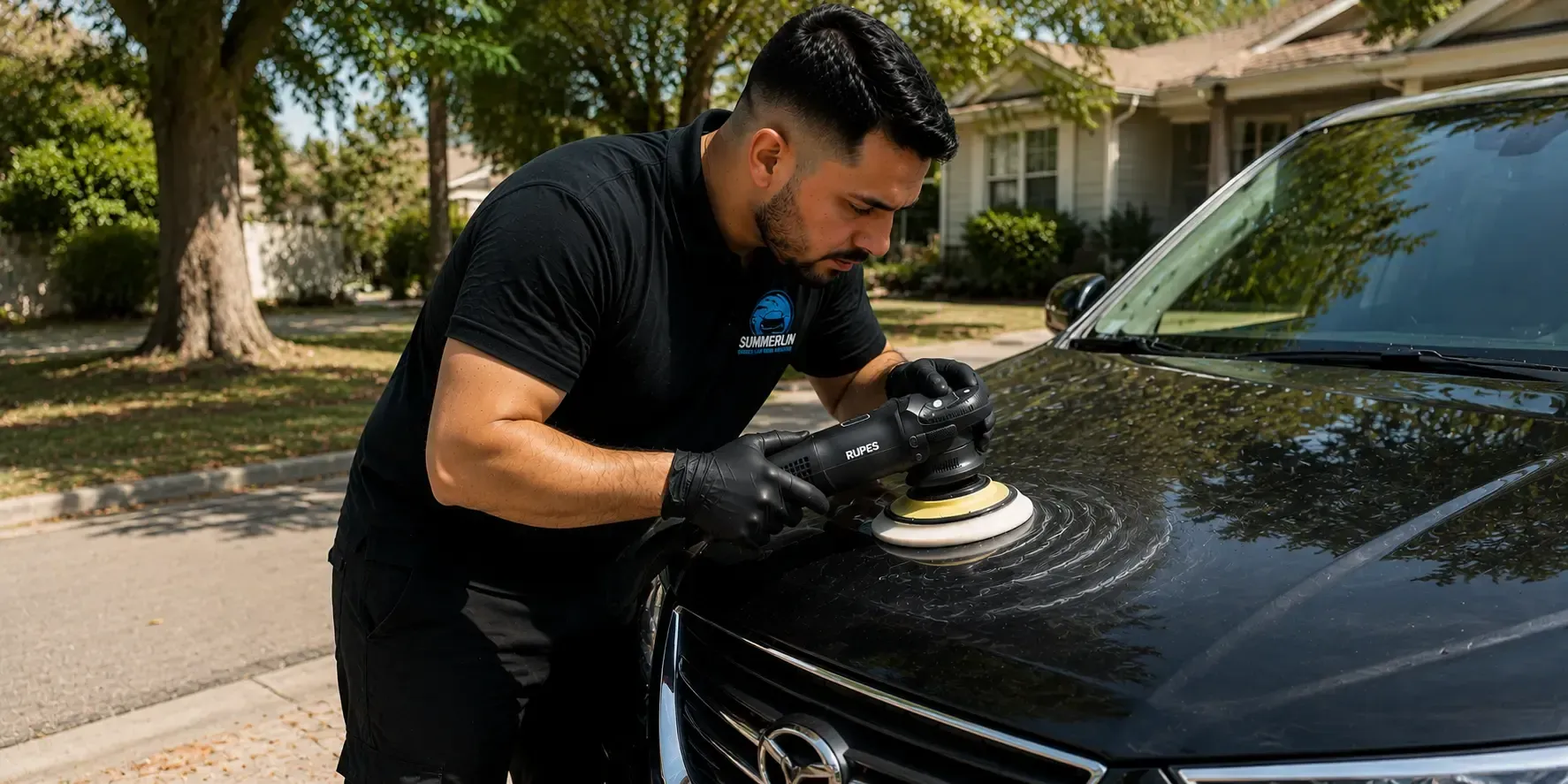
When you hire a high-end mobile car cleaning service, they don't just start rubbing. The process is methodical. First, the car is thoroughly washed to remove every speck of grit. Any leftover dirt acts like sandpaper. Next, a clay bar is used to pull embedded contaminants out of the pores of the paint. Only then does the correction begin. Professionals use a tiered approach:
- Compounding: A gritty liquid used with a machine polisher to level the clear coat around the scratch.
- Polishing: A finer abrasive that restores the high-gloss shine.
- Protection: A wax, sealant, or ceramic coating to prevent future damage.
This process, often called paint correction, is far safer than hacking away at your hood with a hand-rag and some toothpaste. Yes, people actually suggest toothpaste. It’s a terrible idea. It’s too abrasive for most clear coats and leaves behind a hazy mess.Why Mobile Detailing is Changing the Game
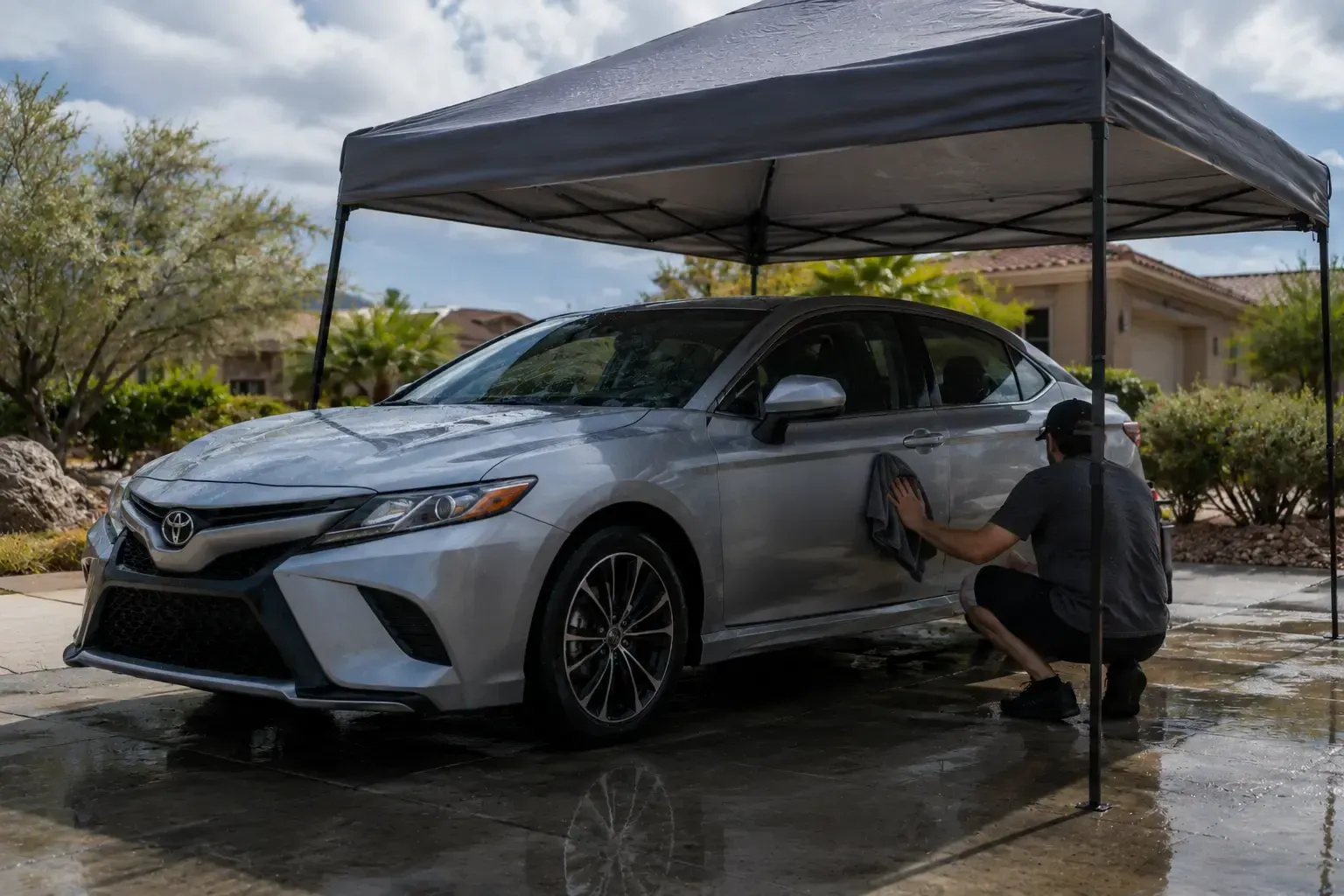
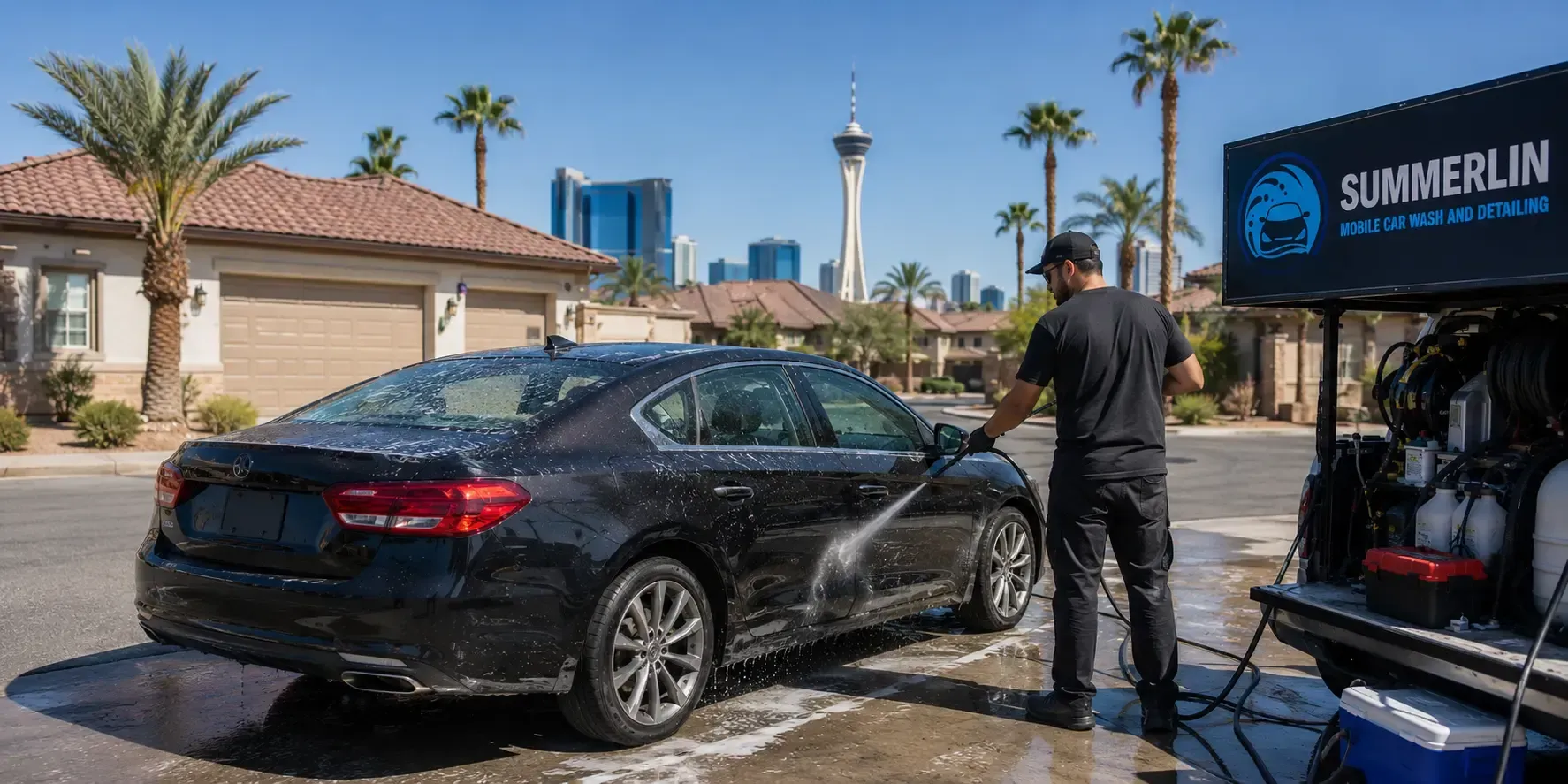
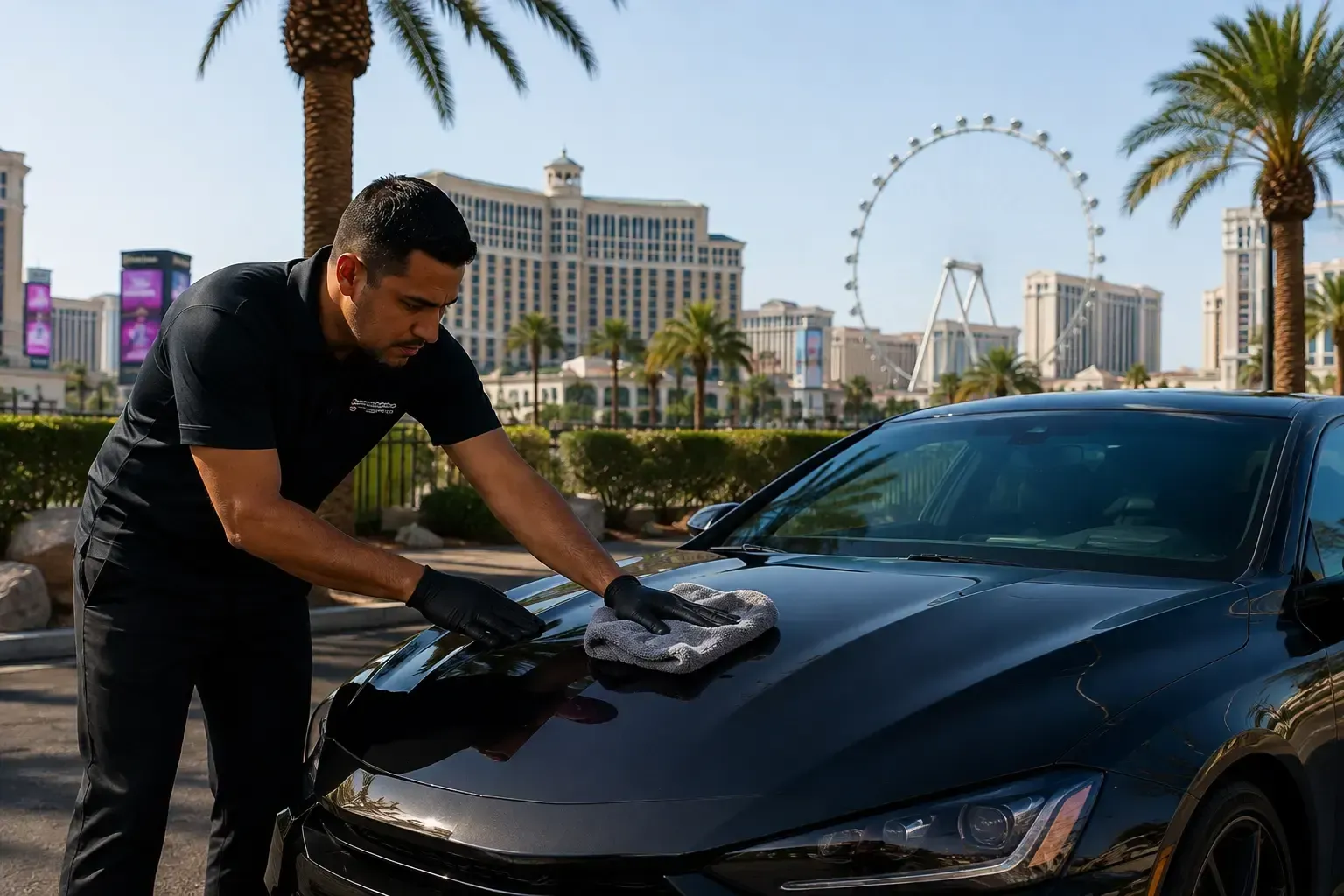
You used to have to drop your car off at a body shop for three days just to get a few scratches fixed. Those days are over. A professional mobile detail car wash brings the shop to your driveway. This isn't just a guy with a bucket and a sponge. Modern mobile units carry deionized water, high-speed polishers, and specialized lighting to spot every swirl mark. The convenience is obvious, but the quality is the real seller. Because mobile detailers work on one car at a time, you get a level of focus that a high-volume shop simply can't match. As noted by Eco Car Cafe, these services provide a protective barrier that shields your car from the elements while you’re busy inside your house or office.
The Reality of Repair Costs
Budgeting for paint repair depends entirely on depth. For light surface scratches that haven't breached the clear coat, expect to pay between $70 and $200 for a professional polish. If the scratch has reached the paint, the price jumps. You’re looking at $200 to $600 because the technician has to match the paint and blend it into the surrounding panel. Deep gouges that show bare metal are the real wallet-drainers. These can run anywhere from $600 to $2,800 depending on the size of the panel and the complexity of the paint color. Industry data from Apex Auto Pros suggests that while DIY might save you money upfront, the risk of permanent damage usually makes the professional route cheaper in the long run.
Long-Term Protection: Beyond the Repair
Once your paint is back to showroom quality, you need to keep it that way. The best defense is a ceramic coating. Think of it as a second skin for your car. It’s a liquid polymer that chemically bonds to your factory paint. It doesn't just make the car look wet; it adds a layer of hardness that resists minor scratches and chemical etching from bird droppings. While it won't stop a runaway shopping cart, it will make your weekly mobile car cleaning service much more effective. Dirt simply won't stick to it. According to Killer Brands, ceramic coatings offer a hydrophobic surface that makes maintenance significantly easier and keeps that "just detailed" look for years, not weeks.
The Verdict on Paint Repair
Fixing a scratch isn't just about vanity. It’s about preventing the slow death of your car's exterior. A small chip today is a rust bubble tomorrow. If you have a weekend car and a lot of patience, a high-quality DIY kit might work for the tiny stuff. But for anything you can feel with your fingernail, call the pros. Investing in a regular mobile detail car wash and occasional paint correction keeps your vehicle looking new and protects your investment. Your car works hard for you. Treat it to a professional touch and say goodbye to those scratches for good.
Frequently Asked Questions
Can you really buff out any scratch?
No. You can only buff out scratches that are limited to the clear coat. If a scratch has penetrated the base paint or reached the primer/metal, buffing will only make the area shiny without removing the groove. These deep scratches require touch-up paint or a professional respray to fix properly.
Is a mobile car cleaning service better than a drive-through wash?
Absolutely. Drive-through washes use "slap brushes" that carry grit from the previous 50 cars, which acts like a giant abrasive. This creates swirl marks and fine scratches. A professional mobile car cleaning service uses the two-bucket method and clean microfiber towels to ensure your paint stays scratch-free and protected.
How long does a professional paint correction take?
A standard paint correction for minor scratches usually takes between 4 and 8 hours. If the vehicle has heavy swirl marks or deep scratches across multiple panels, the process can take two full days. This time is necessary for the multi-stage polishing required to level the clear coat safely and restore depth.
Does ceramic coating prevent all future scratches?
Ceramic coatings provide a much harder surface than standard clear coat, which helps resist light "swirl marks" from washing. However, they are not bulletproof. They won't protect against deep key scratches, rock chips, or significant impacts. Think of it as a high-performance shield against environmental wear, not an indestructible armor plate.