
Your Car’s Paint Is Slowly Dying in Las Vegas , Here is Why
Living in Southern Nevada requires specific adjustments. You learn to stay hydrated, you understand how to navigate the heat, and you quickly realize that the environment is relentlessly harsh on your property. Your vehicle takes the brunt of this environmental abuse. Every single day your car sits outside, a combination of intense ultraviolet radiation, alkaline dust, and mineral-heavy water works systematically to degrade its exterior finish.
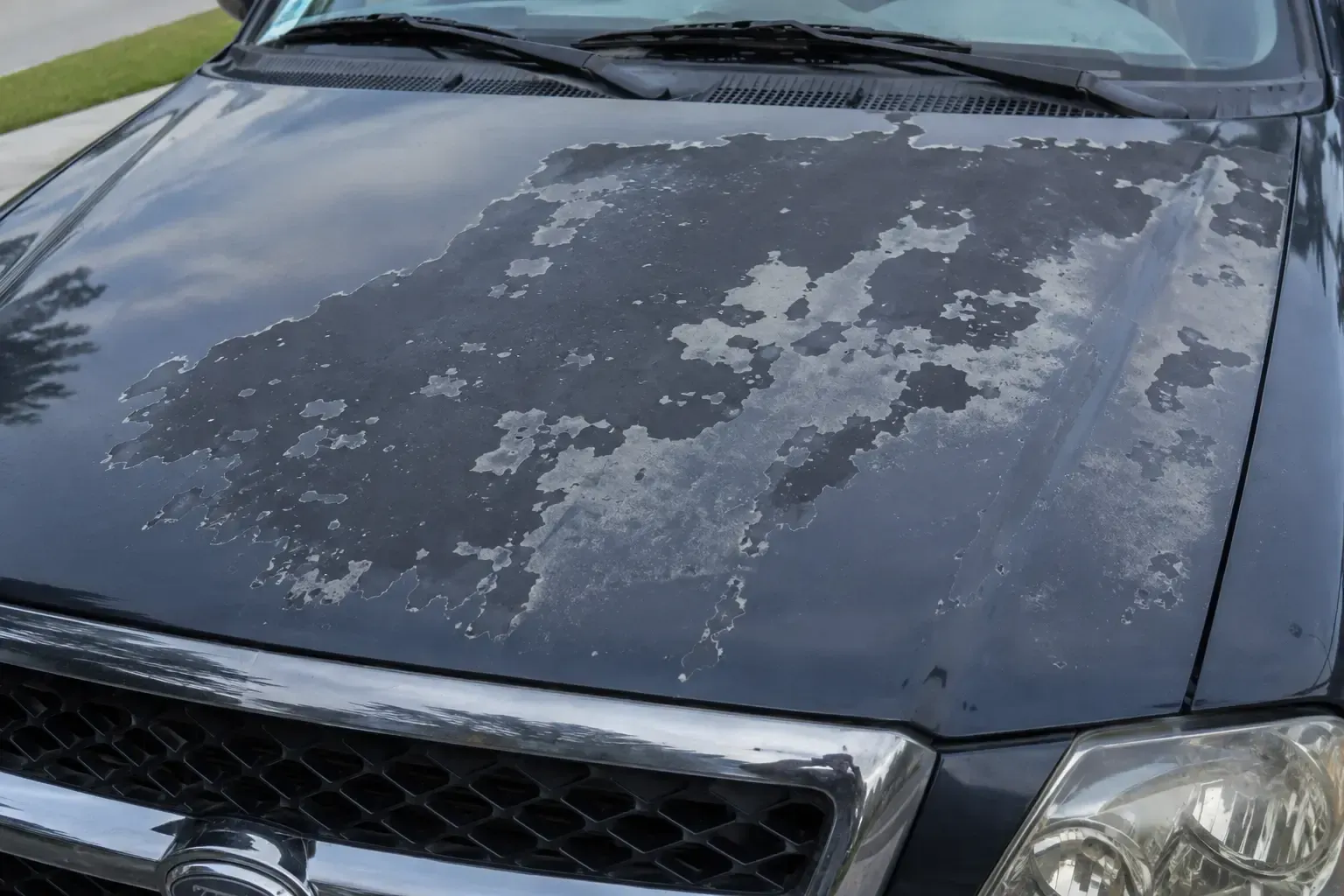
Most vehicle owners only notice the damage when it becomes severe. They see the clear coat peeling on the roof or notice that their once-glossy hood now looks cloudy and dull. By the time this level of visible failure occurs, preventative measures are no longer an option. The only remaining fix is a highly expensive trip to a body shop for a complete respray. However, this worst-case scenario is entirely preventable. Understanding the specific environmental threats in our region and applying the correct preventative maintenance strategies will keep your vehicle looking pristine for years.
The Brutal Physics of Las Vegas Weather on Auto Paint
The climate in Clark County is uniquely destructive to automotive clear coats. The damage occurs on a microscopic level long before it becomes visible to the naked eye. The primary culprit is extreme solar radiation. During the summer months, the surface temperature of a dark-colored vehicle parked in the direct sun can exceed 160 degrees Fahrenheit.
This extreme thermal load causes the microscopic pores in your vehicle's clear coat to expand. When these pores open, the paint becomes vulnerable to environmental contaminants. Ultraviolet rays penetrate the expanded clear coat and begin breaking down the chemical bonds that give the paint its color and structural integrity. This process is known as photo-oxidation. Over time, the clear coat becomes brittle, loses its refractive properties, and eventually separates from the base color layer beneath it.
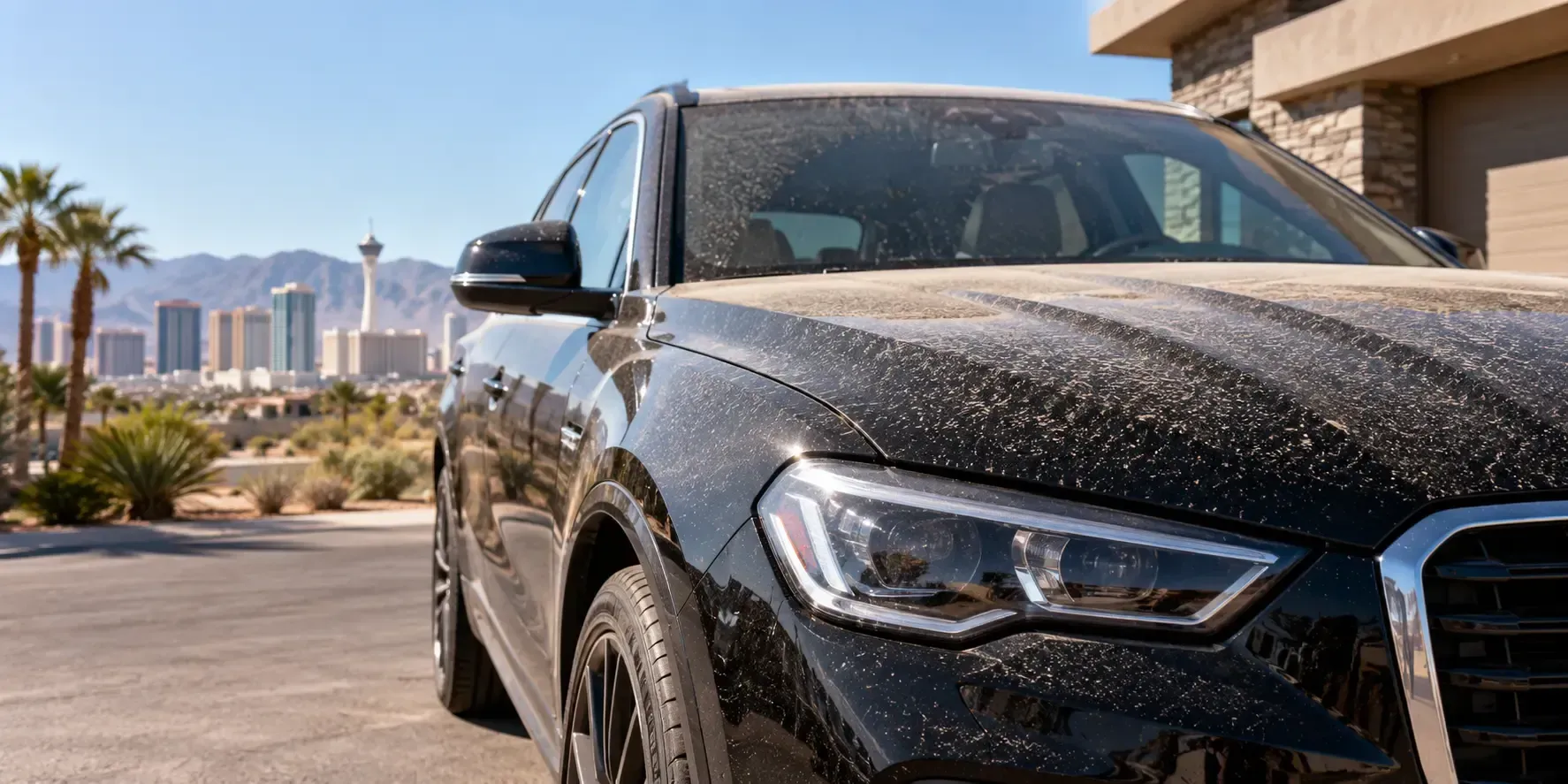
Compounding the thermal damage is the ubiquitous desert dust. The soil in the Vegas valley contains high levels of silica, which is essentially fine sand. When the wind blows this dust across your vehicle, it settles into those expanded clear coat pores. If you attempt to wipe this dust away with a dry towel or take the vehicle through a friction-based automated car wash, you are effectively sanding your own vehicle. The result is a network of microscopic scratches known as swirl marks, which diffuse light and make the paint look dull.
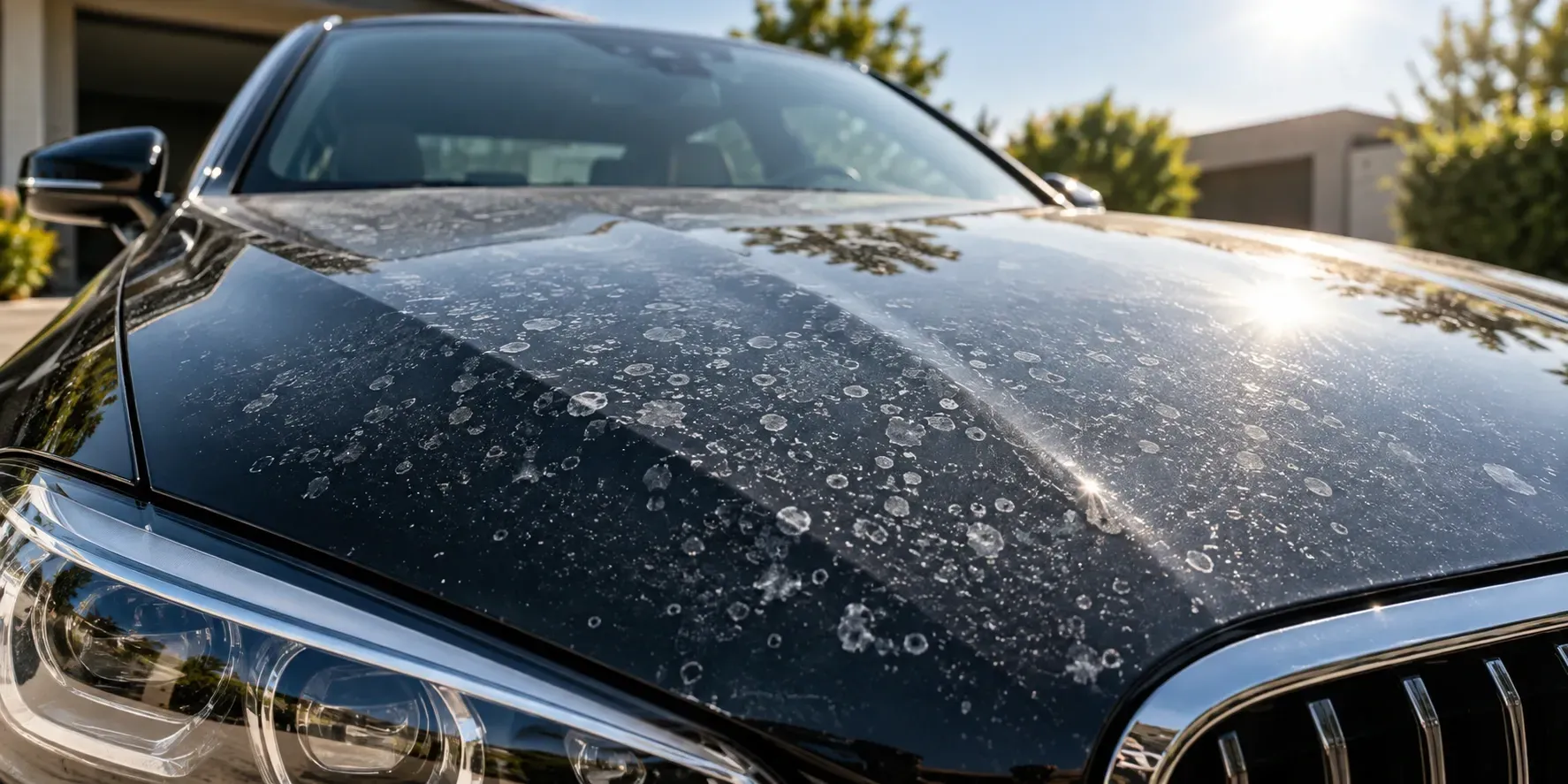
Finally, the local municipal water supply presents a severe threat. Our tap water is notoriously hard, containing exceptionally high concentrations of calcium and magnesium. If tap water dries on your vehicle, the liquid evaporates, but the alkaline minerals remain behind. These minerals bake into the paint under the intense sun, chemically etching into the clear coat and creating permanent craters.
Why a Premium Mobile Detailing Service Is Mandatory
Combating these relentless environmental threats requires more than a bucket of soapy water and a sponge on a Sunday afternoon. It demands a scientific approach to vehicle maintenance, utilizing specialized chemicals, deionized water, and advanced techniques. For busy professionals and luxury vehicle owners, utilizing a professional mobile detailing service is the most effective way to maintain a vehicle's appearance and structural integrity.
A premium mobile operation entirely eliminates the risks associated with automated drive-through washes. High-volume automated washes rely on harsh, highly alkaline detergents to strip dirt quickly. These chemicals simultaneously strip away any protective waxes or sealants on your paint, leaving the clear coat completely naked against the desert sun. Furthermore, the spinning brushes at these facilities are rarely cleaned and whip the abrasive dirt from the previous hundred vehicles directly into your paint.
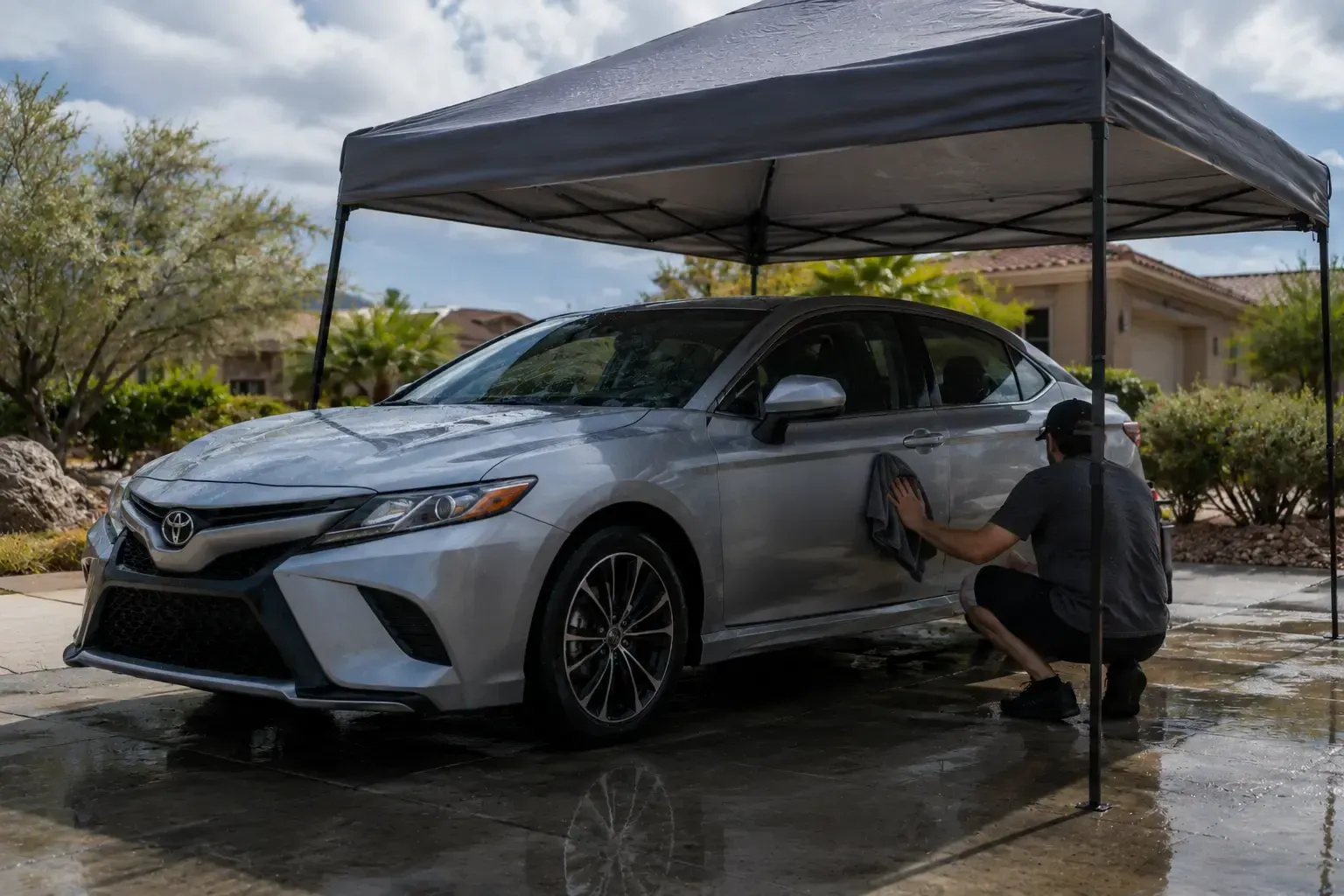
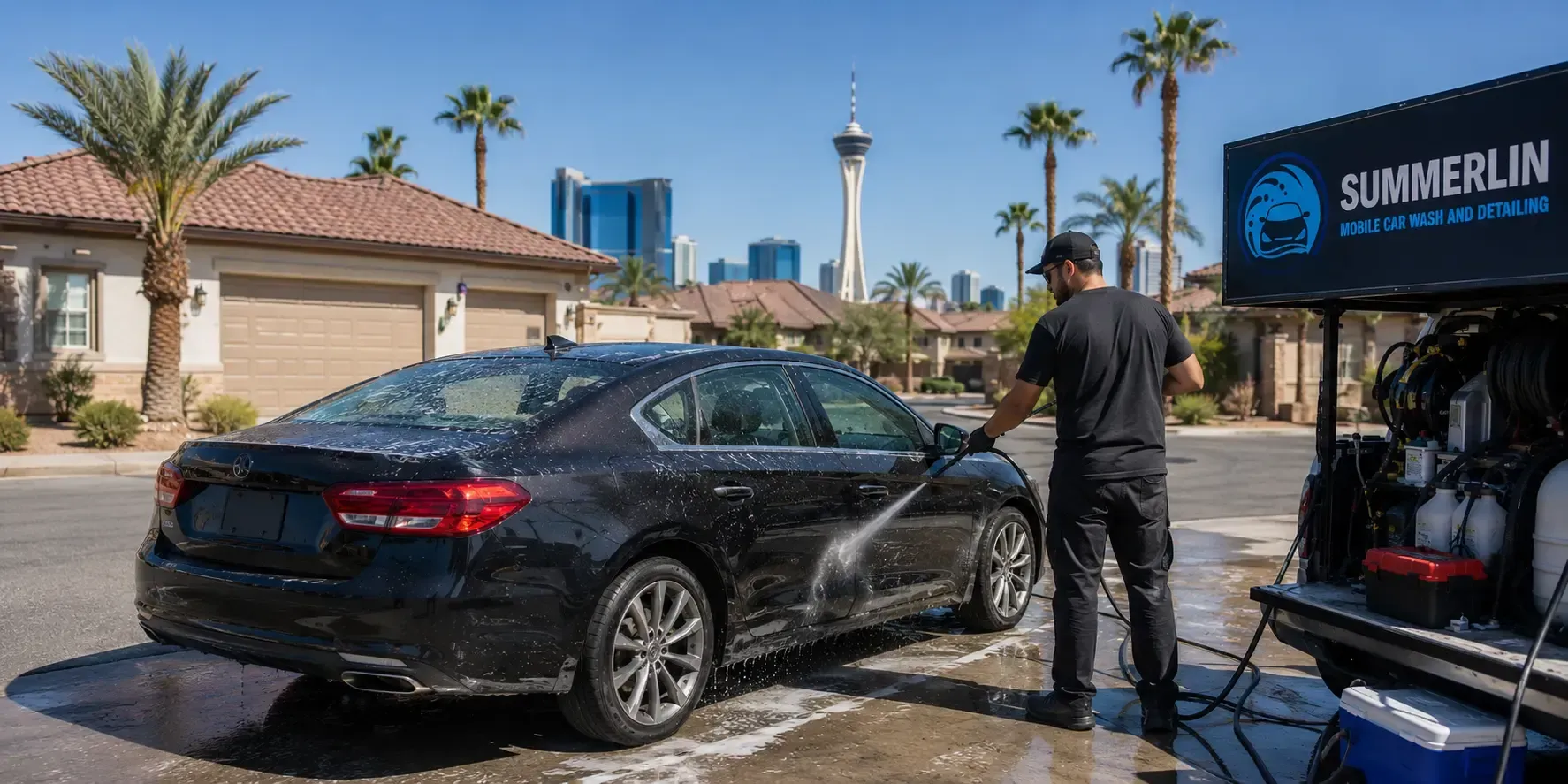
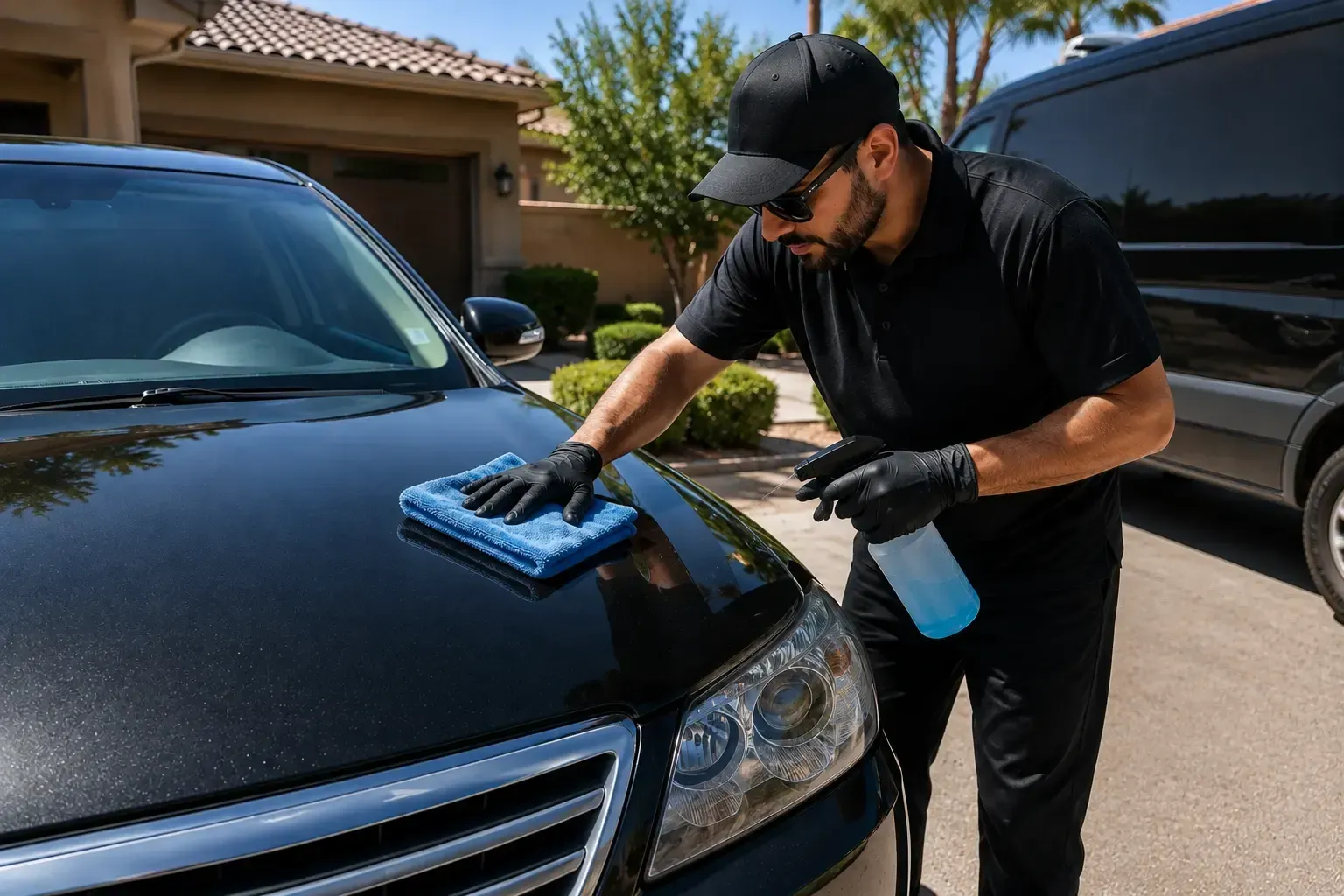
By having experts come directly to your home or office, you bypass these hazards completely. The technicians at Mobile Car Wash Summerlin utilize controlled hand-washing techniques, clean microfiber media, and pH-neutral soaps that safely encapsulate dirt particles. They also utilize advanced water filtration systems to ensure zero mineral deposits are left behind. This level of meticulous care protects your investment while saving you hours of valuable time that would otherwise be spent waiting in line at a traditional wash facility.
Restoring Neglected Surfaces Through Paint Correction
If your vehicle has already been subjected to automated washes, improper drying techniques, or prolonged sun exposure, simply applying a layer of wax will not resolve the issue. Wax cannot fill in deep scratches, nor can it reverse oxidation. To restore the optical clarity of the finish, you must physically level the surface of the paint.
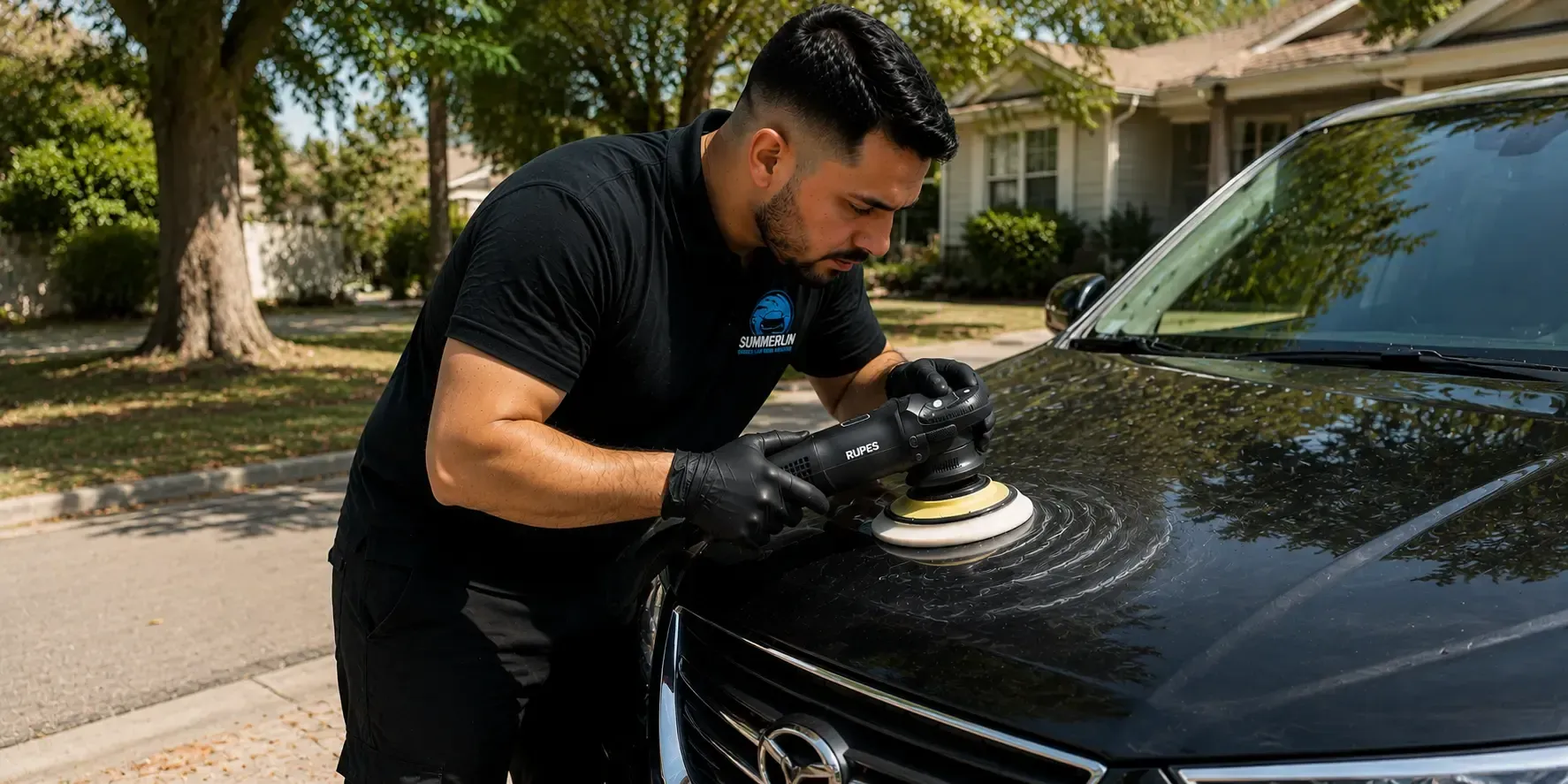
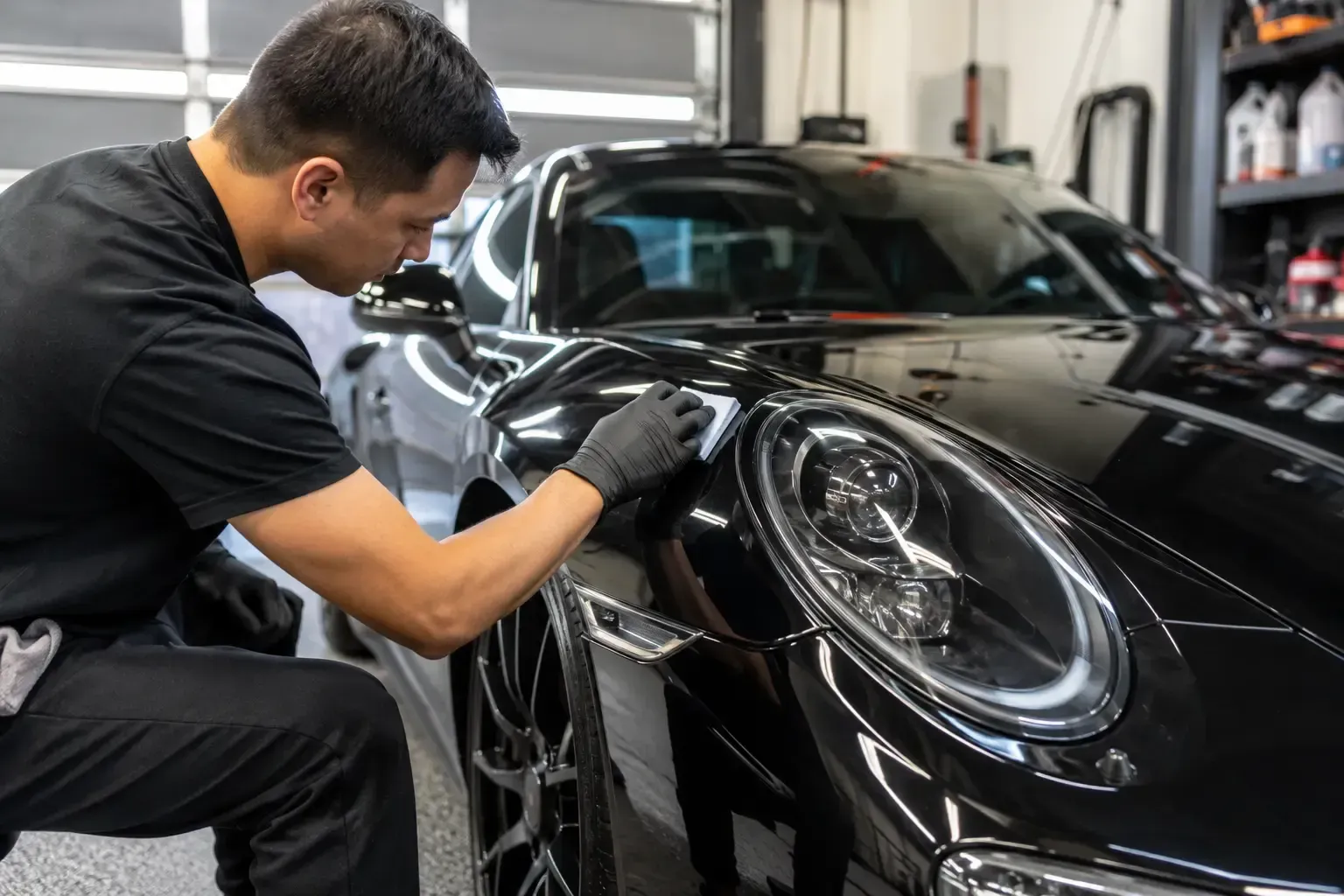
This highly technical process is known as paint correction. It involves using dual-action machine polishers, specialized abrasive compounds, and refined polishing pads to safely remove a microscopic fraction of the damaged clear coat. By leveling the surface, you eliminate the jagged edges of swirl marks and water spots that trap light. Once the surface is perfectly flat, light reflects evenly, creating a deep, mirror-like finish that makes the vehicle look newer than the day it left the dealership lot.
For isolated incidents involving deeper gouges, such as a brush with a stray shopping cart or a scrape against a garage wall, a more localized approach is required. Professional scratch removal targets specific defects safely, assessing the depth of the damage and employing focused compounding techniques to blend the surrounding clear coat without compromising the overall integrity of the paint system.
The Ultimate Desert Shield: Advanced Ceramic Technology
Once the paint has been properly cleaned and corrected, leaving it unprotected is a critical mistake. Traditional carnauba waxes and synthetic polymer sealants simply cannot withstand the harsh realities of the Nevada climate. Carnauba wax begins to melt and evaporate when surface temperatures exceed 140 degrees Fahrenheit. In our region, a traditional wax job might only provide meaningful protection for a few weeks before leaving your vehicle completely exposed.
The modern solution for long-term protection is nanotechnology. Applying a professional-grade ceramic coating provides a permanent or semi-permanent barrier between your vehicle's paint and the harsh environment.
Ceramic coatings are formulated with silicon dioxide. When applied in liquid form, the coating flashes and bonds with the vehicle's factory clear coat on a molecular level. It creates a rigid, glass-like layer that is significantly harder than standard automotive paint. This barrier blocks ultraviolet rays completely, preventing photo-oxidation and fading.
Furthermore, ceramic technology is highly hydrophobic. It dramatically lowers the surface tension of the paint, causing water to bead tightly and roll off the surface. This self-cleaning effect ensures that desert dust and road grime struggle to adhere to the vehicle. Routine maintenance washes become incredibly fast and easy, and the vehicle maintains a profound, glossy wet look year-round.
| Protection Type | Average Lifespan in Nevada Sun | Heat Resistance Level | Chemical/UV Resistance | Gloss Characteristics |
|---|---|---|---|---|
| Carnauba Wax | 2 to 4 weeks | Low (Melts at 140°F) | Poor | Warm, natural shine |
| Synthetic Sealant | 3 to 6 months | Moderate (Fails at 180°F) | Moderate | Bright, reflective shine |
| Dealership Spray | 1 to 2 months | Low | Poor | Artificial, temporary gloss |
| Professional Ceramic Coating | 2 to 7+ years | Extreme (Resists up to 1000°F) | Exceptional | Deep, glass-like mirror finish |
Protecting Your Investment and Reclaiming Your Time
Vehicles are depreciating assets, but accelerating that depreciation through neglect is an expensive mistake. Whether you drive a luxury sedan to an office in Downtown Summerlin or maintain a premium SUV for your family, the appearance of your vehicle directly impacts its resale value. Buyers will aggressively negotiate down the price of a vehicle with dull, scratched, or failing paint.
Investing in professional exterior maintenance is a sound financial decision. However, you do not need to sacrifice your weekends to achieve these results. Engaging a premium, mobile-based team ensures your vehicle receives the exact technical care it requires while you focus on your work, your family, or your leisure time. By acknowledging the unique threats of our desert environment and responding with modern, professional detailing solutions, you guarantee that your vehicle will command attention and retain its value for the duration of your ownership.
Frequently Asked Questions
How often should I wash my car in the local desert climate?
For vehicles parked outdoors, a professional hand wash every two weeks is strictly recommended. This frequency prevents corrosive elements like hard water sprinkler overspray, bird droppings, and alkaline dust from bonding to the clear coat and causing permanent etching. Vehicles stored in garages can generally be washed every three to four weeks.
Does a ceramic coating prevent rock chips from highway driving?
No. While a ceramic coating creates a surface that is much harder than your factory clear coat, it is designed to prevent chemical damage, UV fading, and micro-scratches from washing. It does not possess the physical thickness or elasticity required to stop high-velocity rock impacts. Protection against rock chips requires a Paint Protection Film.
Can hard water spots be permanently removed from my paint?
Yes, but the method depends on how long the spots have been present. Fresh water spots can often be neutralized and removed with specialized acidic chemical baths. However, if the mineral deposits have been baked into the clear coat by the sun over several months, they will have etched into the paint. Removing etched water spots requires professional machine polishing to level the surrounding paint.
What’s the difference between polishing and compounding?
Polishing refines the paint surface for gloss, while compounding uses more aggressive abrasives to remove deeper scratches and oxidation.