
Ultimate Guide to Removing Water Spots from Your Car's Exterior: Expert Mobile Car Wash Solutions

December 16, 2024

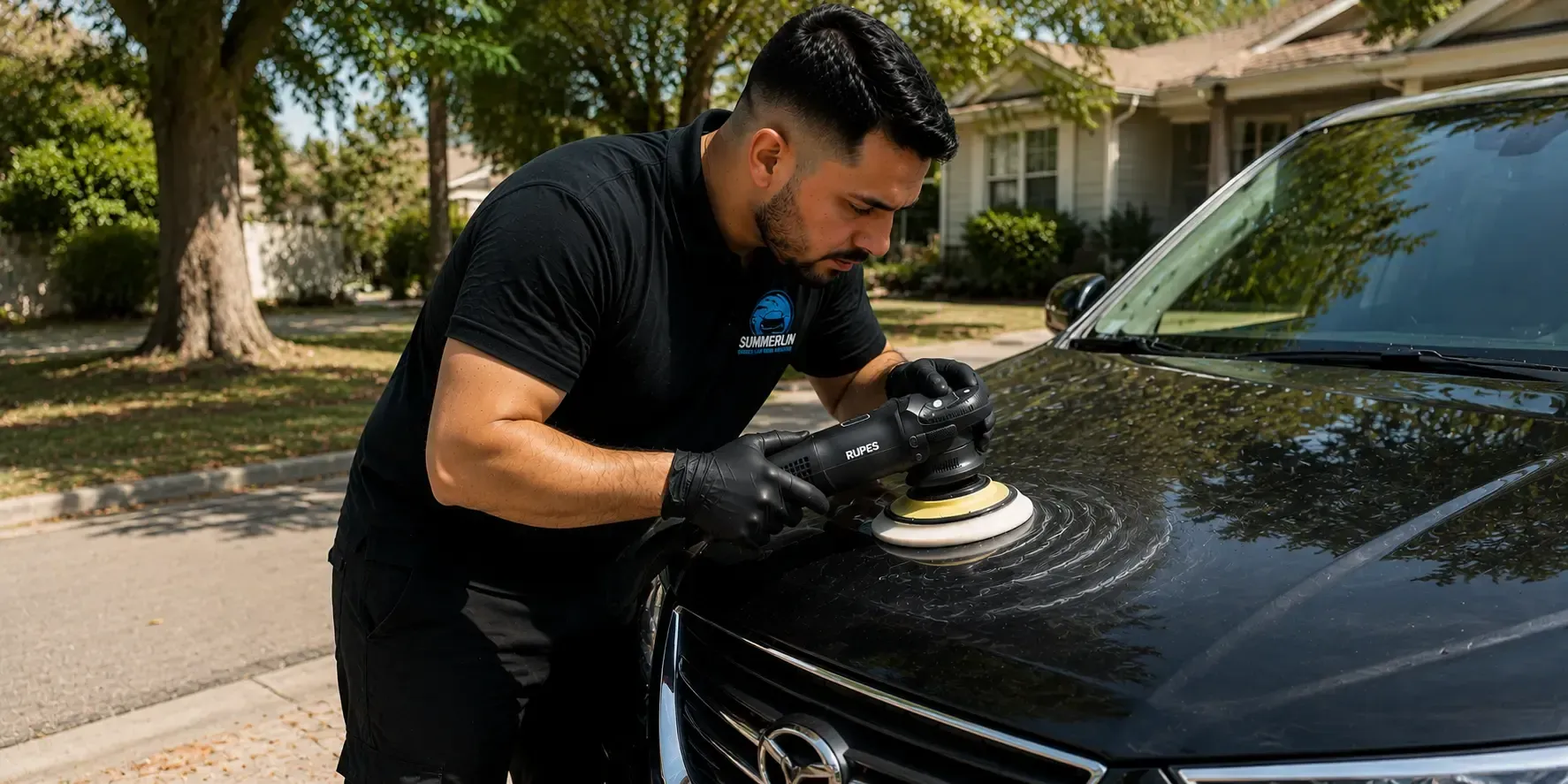
Mobile Car Wash Summerlin Las Vegas provides convenient and professional car care services, bringing expert detailing right to your doorstep. With a focus on quality and customer satisfaction, they ensure your vehicle looks its best inside and out.


Top Three Services:


  1. Ceramic Coating: Advanced protection that delivers a sleek, glossy finish and shields your car from environmental damage.
  2. Paint Protection: Premium solutions to preserve your vehicle’s paint and maintain its flawless appearance.
  3. Scratch Removal: Expert techniques to eliminate surface scratches and restore your car’s smooth finish.

Understanding Water Spots: The Silent Paint Destroyer

What Exactly Are Water Spots?


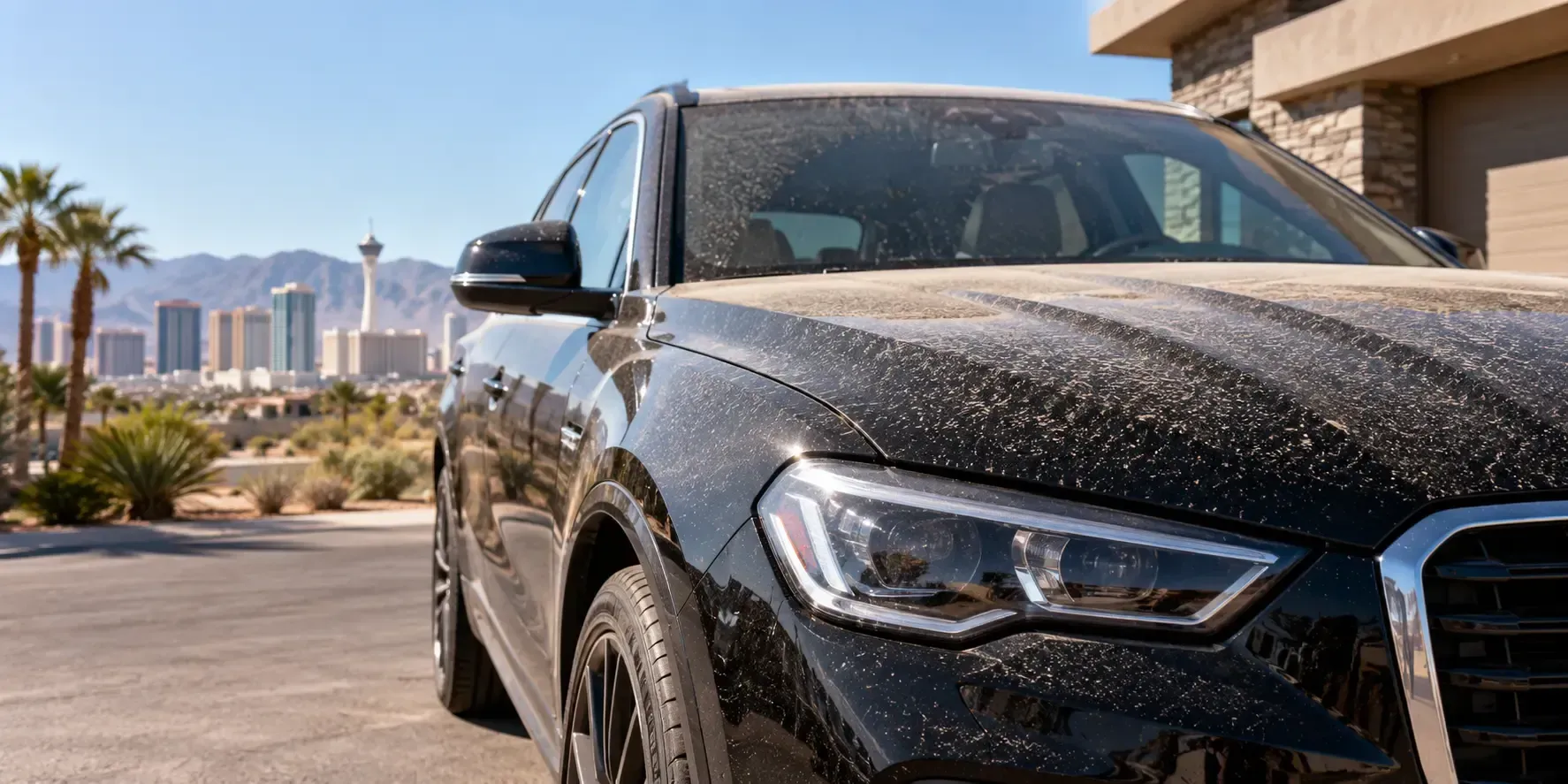
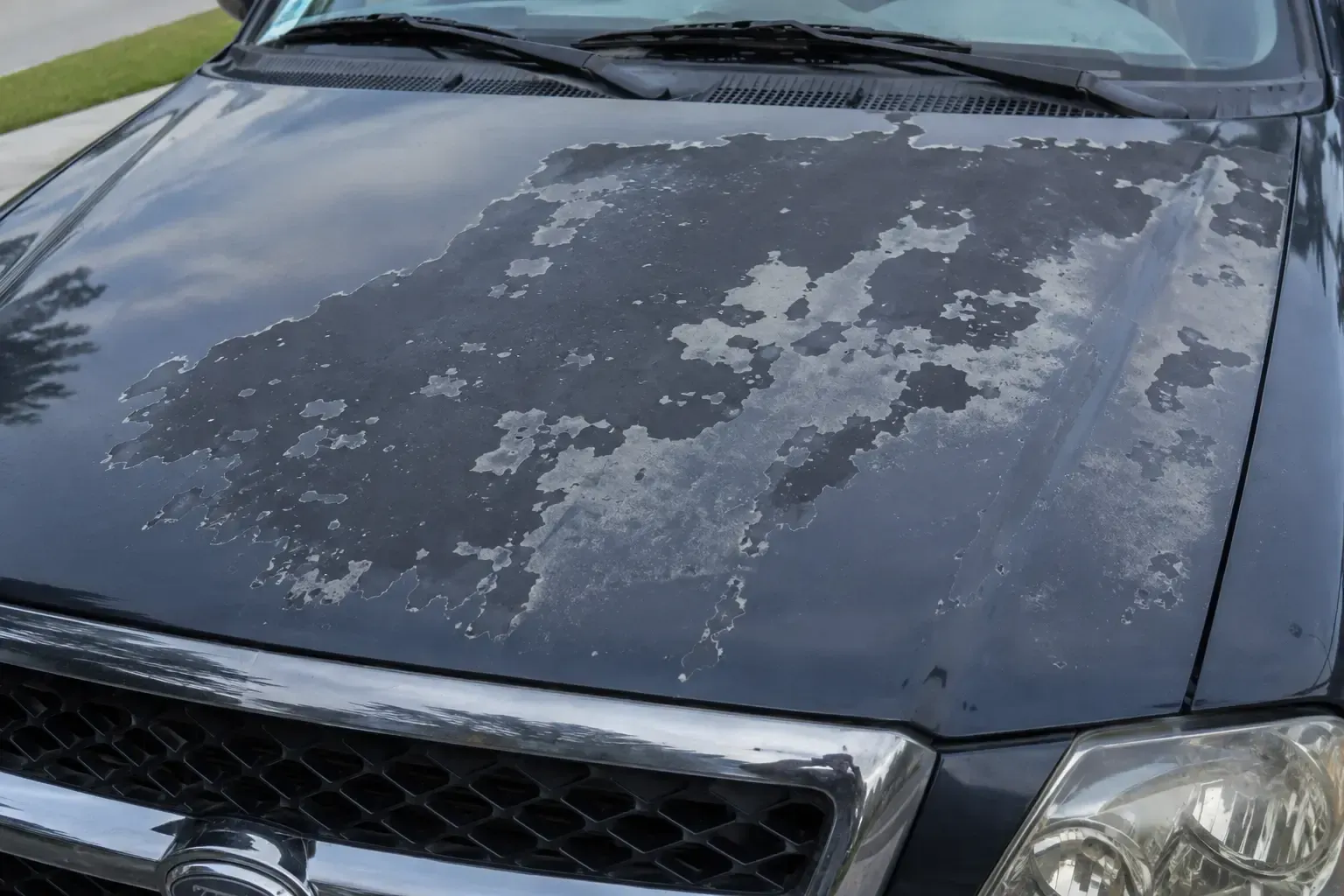
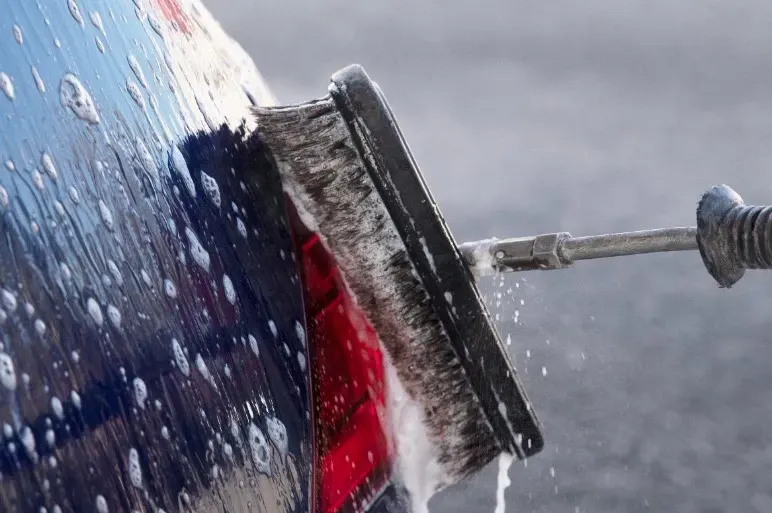
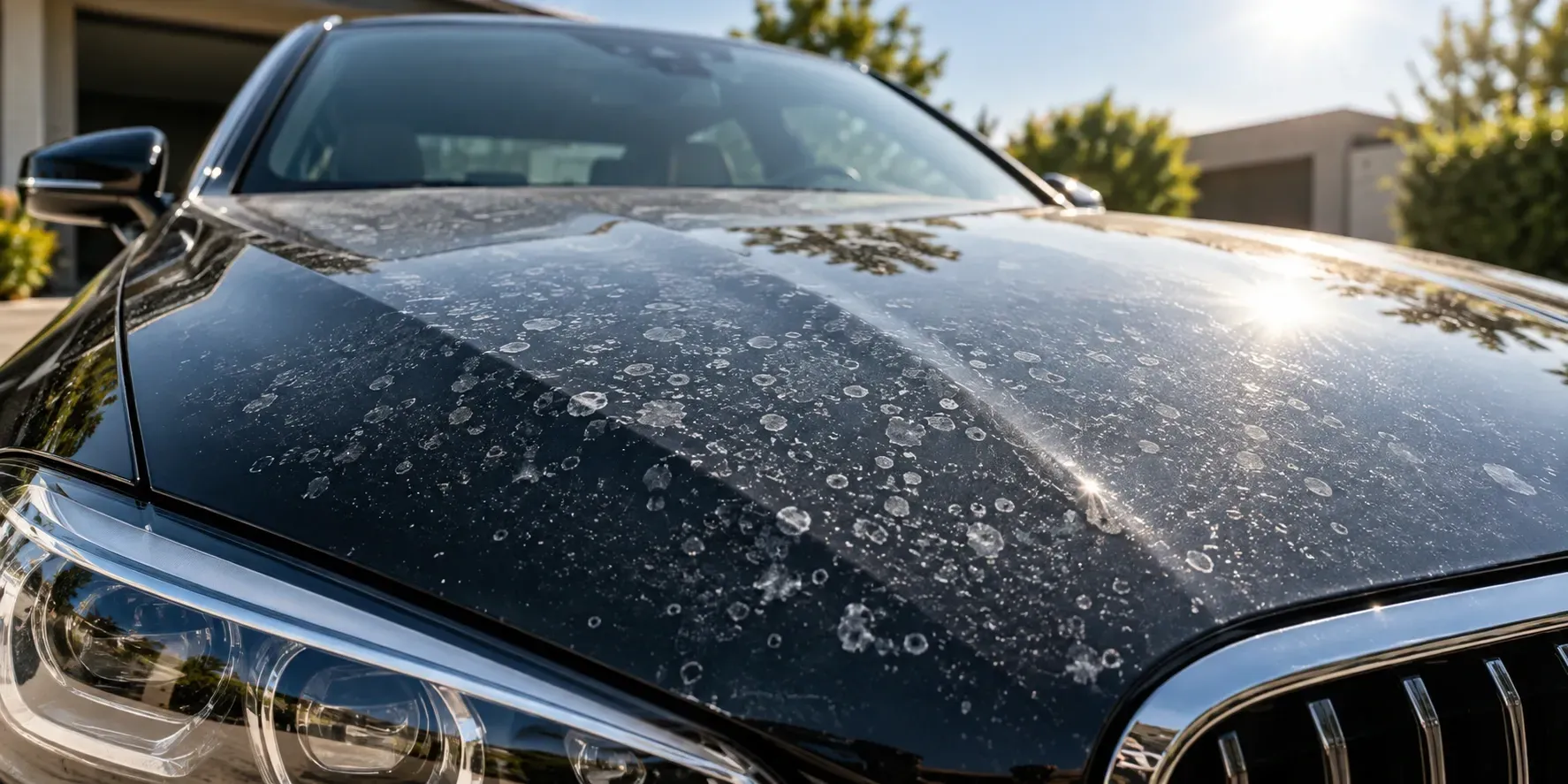
Water spots are more than just simple droplet marks. They're mineral-rich residues left behind after water evaporates, creating stubborn, unsightly stains on your vehicle's pristine paint. These marks contain calcium, magnesium, and other minerals that can etch into your car's clear coat if not addressed promptly.

When hard water droplets dry on your car's surface, they leave behind a mineral deposit that looks like a white or chalky residue. The longer these spots remain, the harder they become to remove, potentially causing permanent damage to your vehicle's paintwork.


Why Water Spots Are a Car Owner's Nightmare

Imagine spending thousands on a beautiful vehicle, only to have its shine ruined by tiny, persistent water spots. These seemingly innocent marks can:

  • Permanently etch into your car's clear coat
  • Reduce your vehicle's resale value
  • Create an unsightly, dull appearance
  • Potentially lead to expensive paint correction procedures


Identifying Different Types of Water Spots

Mineral Deposit Water Spots

Not all water spots are created equal. Mineral deposit water spots are the most common type, typically caused by:

  • Hard water from municipal sources
  • Sprinkler systems
  • Automatic car washes
  • Natural rain and environmental factors

These spots form when mineral-rich water evaporates, leaving behind a concentrated residue of calcium and magnesium carbonate.


Etched Water Spots

More severe than standard mineral deposits, etched water spots occur when:

  • Water spots are left untreated for extended periods
  • Minerals interact with direct sunlight
  • High temperatures accelerate mineral bonding
  • Acidic contaminants are present

Etched spots require more intensive removal techniques and may necessitate professional intervention.


DIY Mobile Car Wash Water Spot Removal Techniques

Essential Tools and Materials

Before tackling water spots, gather these must-have items:

  • High-quality microfiber towels
  • Distilled water
  • White vinegar
  • Clay bar kit
  • Automotive detailing spray
  • Soft, non-abrasive cleaning cloths

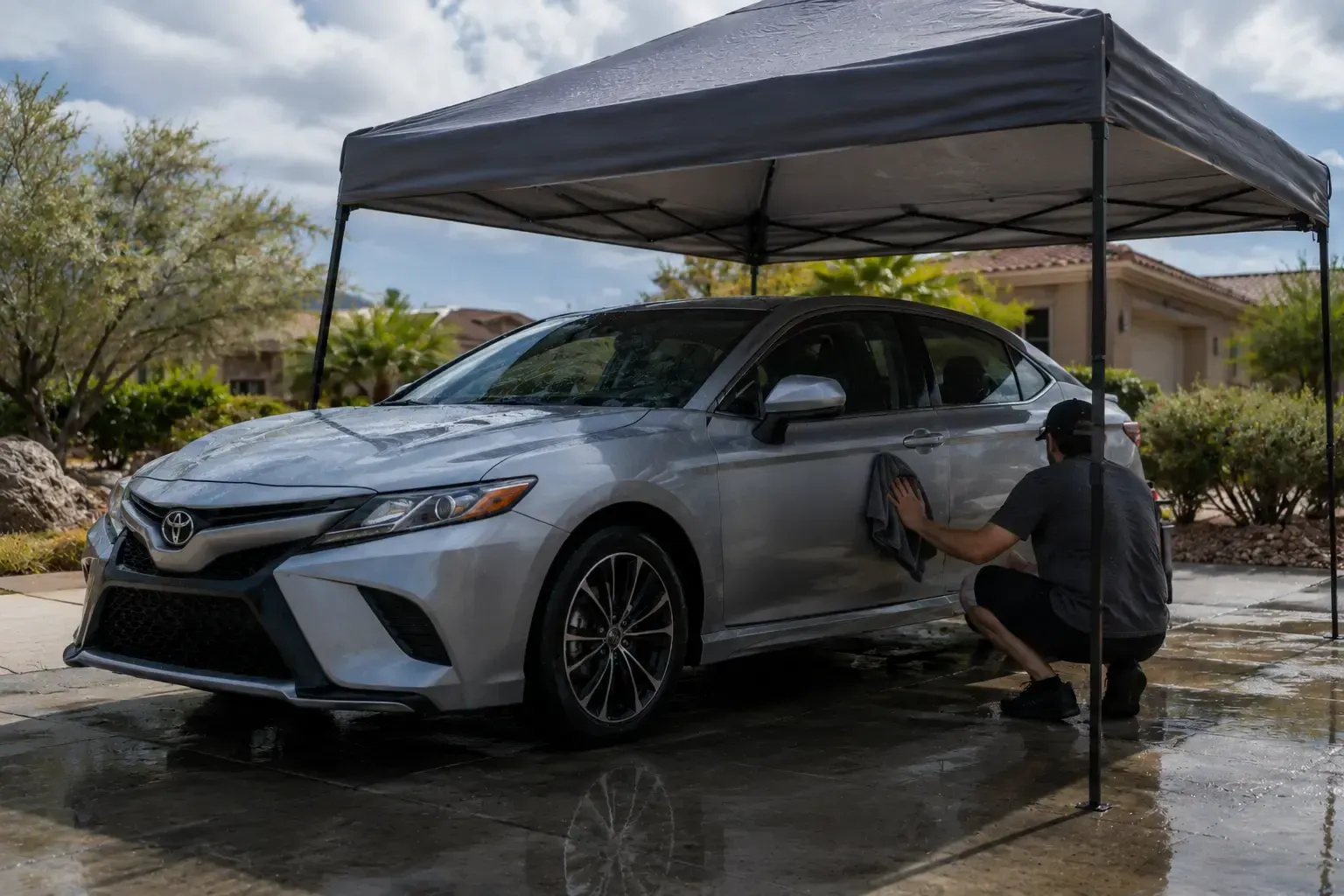
Pro tip: Always work in a shaded area to prevent rapid water evaporation and additional spot formation.


Simple Home Remedies


Vinegar Solution Method

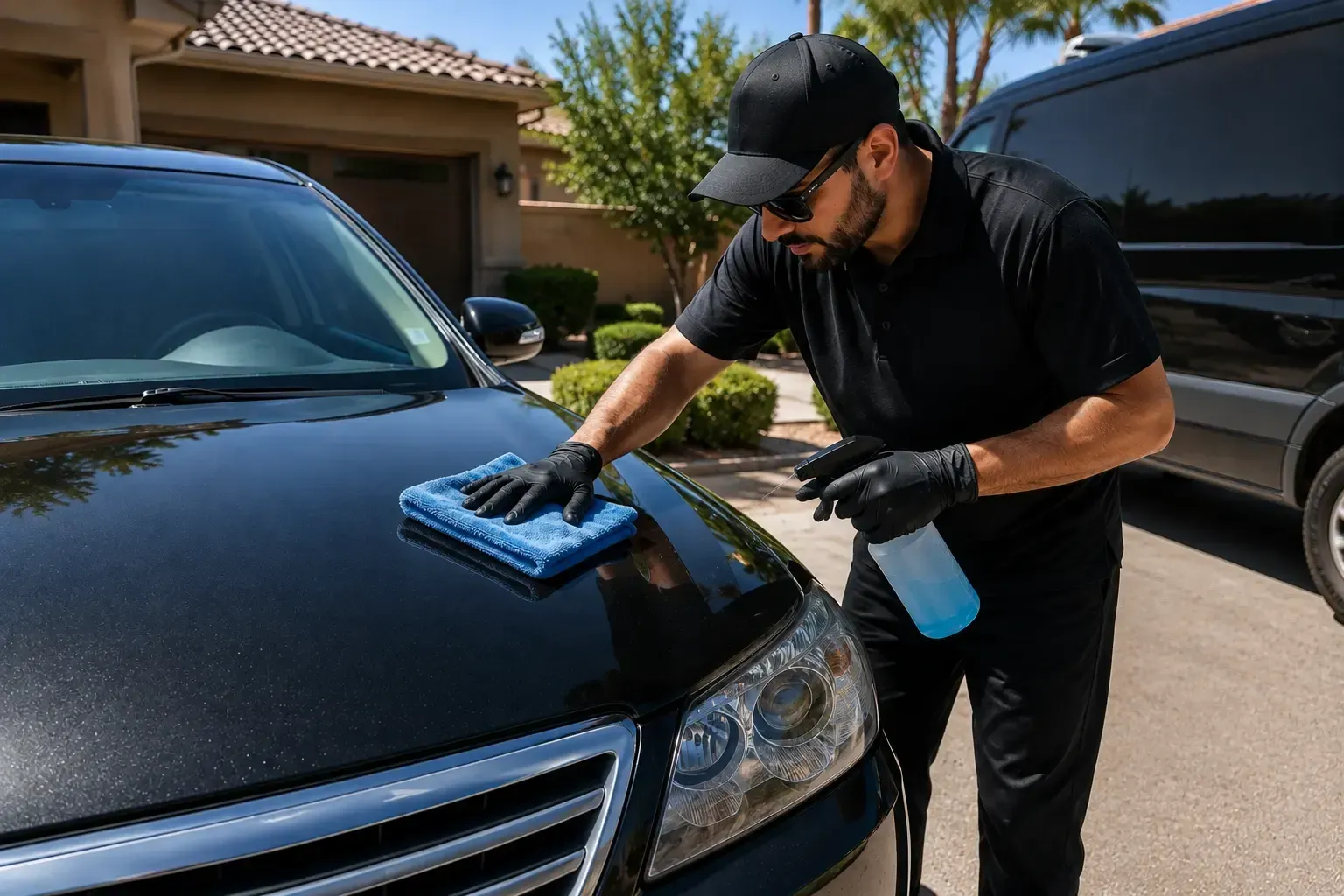
  1. Mix equal parts distilled water and white vinegar
  2. Spray solution directly on water spots
  3. Let sit for 60 seconds
  4. Gently wipe with a microfiber cloth
  5. Rinse thoroughly and dry immediately

Clay Bar Technique

  • Lubricate the surface with detailing spray
  • Gently glide clay bar over affected areas
  • Lift embedded minerals without scratching paint
  • Follow with a protective wax application


Professional Mobile Exterior Cleaning Strategies

Expert Water Spot Cleaning Services

While DIY methods work for minor spots, professional services offer:

  • Advanced chemical treatments
  • Precision removal techniques
  • Paint correction capabilities
  • Comprehensive exterior protection

Professional detailers use specialized compounds that safely remove stubborn water spots without damaging your car's clear coat.


Mobile Detailing Approach

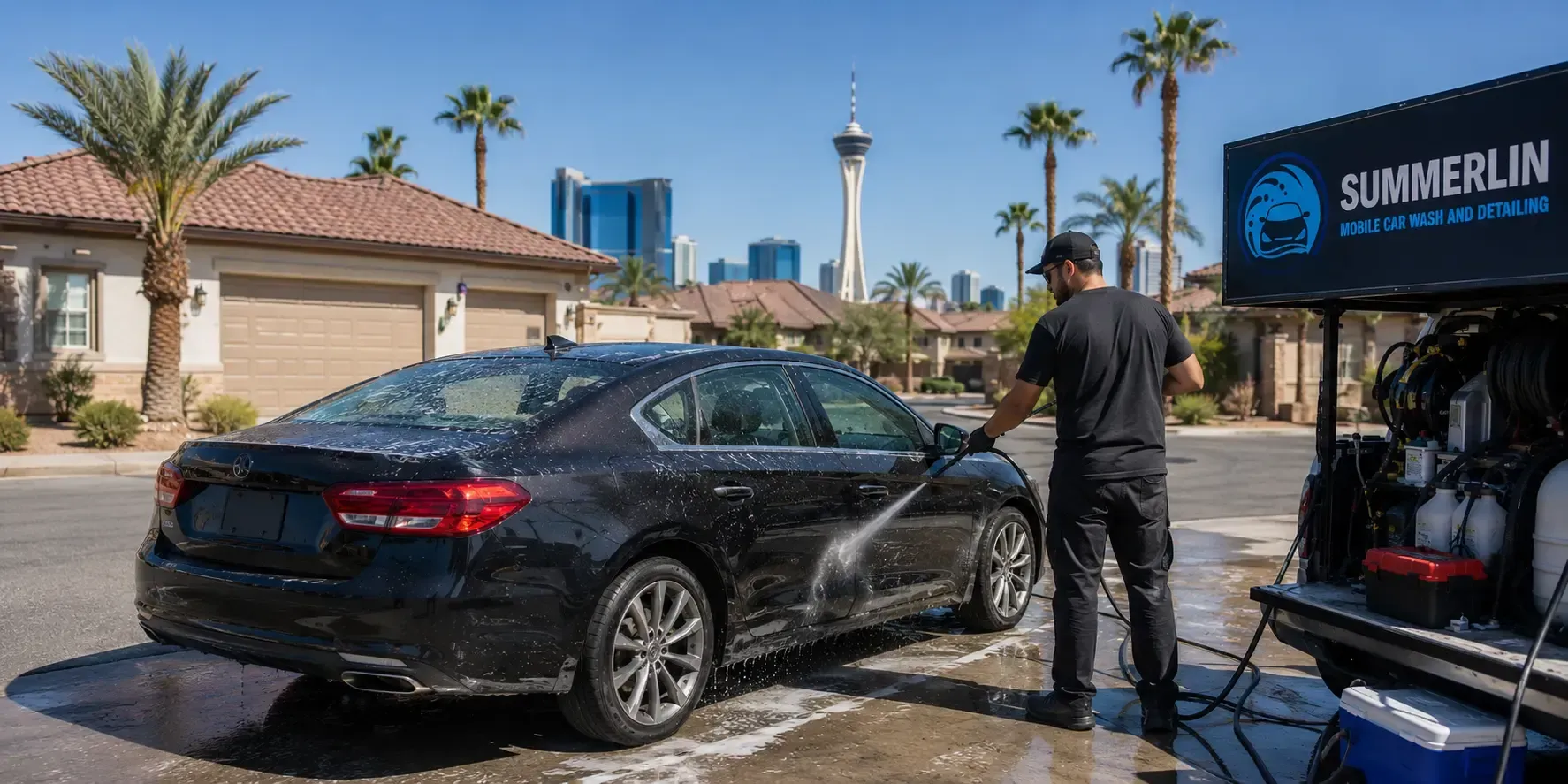
Modern mobile car wash services bring professional-grade solutions directly to you:

  • On-site treatment convenience
  • Comprehensive cleaning packages
  • Environmentally friendly techniques
  • Cost-effective solutions compared to traditional detailing


Prevention is Better Than Cure

Protective Coating Techniques

Prevent water spots before they start:

  • Apply ceramic coatings
  • Use high-quality paint sealants
  • Regular waxing
  • Create a hydrophobic barrier

Ceramic coatings can provide up to 5 years of protection against water spots and environmental contaminants.


Maintenance Tips

  • Wash car with soft water when possible
  • Use microfiber drying towels
  • Avoid parking near sprinklers
  • Dry vehicle immediately after washing
  • Consider water softening solutions


Common Mistakes to Avoid

Water Spot Removal Pitfalls

Beware of these dangerous techniques:

  • Never use abrasive materials
  • Avoid direct sunlight during cleaning
  • Don't let spots sit for extended periods
  • No harsh chemical cleaners
  • Prevent circular scrubbing motions


Equipment and Product Warnings

  • Cheap microfiber towels can scratch paint
  • Household cleaners damage clear coat
  • Improper techniques lead to permanent damage
  • Always test solutions on small areas first


Conclusion: Maintaining Your Car's Pristine Appearance

Water spots might seem insignificant, but they're silent enemies of your car's beauty. By understanding their formation, using proper removal techniques, and implementing preventative strategies, you can keep your vehicle looking showroom fresh.

Remember, consistent care is key. Whether you choose professional mobile car wash services or DIY techniques, protecting your car's exterior is an investment in its long-term value and appearance.
By John Constantine July 6, 2026
Key Insights and Takeaways Protecting your vehicle in the harsh Las Vegas climate requires utilizing the correct techniques and avoiding common DIY detailing mistakes. Attempting to wash your car with improper tools, household chemicals, or in direct sunlight can cause expensive permanent damage to both your paint and interior materials. Securing a professional mobile detailing service ensures your automotive investment receives the safe, pH-balanced care it requires directly at your home. Use a two-bucket wash method with microfiber towels to prevent aggressive paint scratching. Never apply automotive chemicals or wash your vehicle in direct desert sunlight to avoid permanent water spotting. Avoid household cleaners containing ammonia, as they will degrade window tints and crack leather upholstery.
By John Constantine June 28, 2026
Living in Las Vegas exposes your vehicle to harsh elements and daily hazards that inevitably cause paint scratches and swirl marks. Professional scratch removal and paint correction services permanently erase these defects by safely leveling the clear coat, unlike retail kits that only offer temporary masking. * Automotive paint consists of three layers, and damage depth dictates the necessary repair method. * Professional correction physically removes defects rather than filling them with temporary, easily washed-away waxes. * Applying a ceramic coating after paint correction provides essential, long-term UV and contaminant protection for your restored finish.
By Elayna Smith June 26, 2026
For busy professionals and luxury vehicle owners in Las Vegas, choosing the right paint protection is vital to combat intense heat, UV rays, and desert dust. While traditional wax offers a temporary gloss, it quickly degrades in the Nevada sun, whereas modern ceramic coatings provide durable, multi-year protection that repels water and dirt. Investing in professional mobile detailing ensures premium vehicle care and preserves resale value without disrupting your demanding schedule. * Las Vegas heat melts traditional carnauba wax in weeks, making it impractical for long-term protection. * Ceramic coatings chemically bond with the clear coat, offering years of UV resistance and hydrophobic self-cleaning properties. * Mobile detailing services offer unmatched convenience, bringing premium paint correction and protection directly to homes and offices in Summerlin.
By Elayna Smith June 23, 2026
Every vehicle owner eventually encounters the frustration of exterior paint damage. Whether caused by stray gravel on the highway, poor parking lot etiquette, or improper washing techniques, a scratch compromises both the aesthetic appeal and the structural integrity of your vehicle. Ignoring a minor blemish often leads to severe oxidation and rust, especially under the relentless Las Vegas sun. Protecting your investment requires an understanding of paint composition, precise assessment techniques, and the right restorative methods. The Anatomy of Automotive Paint Layers Modern vehicles feature complex finishing systems engineered to withstand significant environmental abuse while maintaining high gloss. To effectively address any exterior blemishes, you must understand the exact composition of these layers. The foundation rests upon bare steel, aluminum, or composite plastic. Manufacturers apply an electrodeposition coat, often called an e-coat, directly to the raw material to inhibit rust and corrosion. A layer of primer follows this initial defense, providing a uniform texture and promoting the adhesion of the subsequent color stage.  The base coat delivers the visual pigmentation of the automotive finish. This layer contains the specific color formulation, metallic flakes, or pearlescent additives that define the aesthetic character of the vehicle. However, the base coat remains entirely vulnerable and lacks any inherent gloss. The final application is the clear coat, a transparent urethane or polyurethane layer that seals the entire system. The clear coat provides the optical depth, ultraviolet resistance, and chemical defense required to survive daily driving. Measuring between 35 to 50 microns in thickness, this fragile, transparent shield absorbs the vast majority of surface damage.
By John Constantine June 6, 2026
Key Insights and Takeaways Professional paint correction is an essential restorative process that completely transforms a dull, scratched vehicle exterior by permanently removing clear coat imperfections. For residents battling the harsh Las Vegas sun and hard water, this intensive service restores a flawless mirror-like finish that standard washing simply cannot achieve. By combining precision compounding with durable ceramic protection, vehicle owners can safeguard their automotive investment for years to come. * Paint correction mechanically levels the clear coat to permanently remove swirl marks, scratches, and mineral etching. * Automated washes often cause micro-abrasions, making specialized restorative care necessary for long-term paint health. * Following correction, applying a robust sealant or ceramic coating is crucial to protect the newly exposed clear coat from extreme Nevada UV rays.
By John Constantine May 30, 2026
Key Insights and Takeaways Restoring cloudy headlights is a crucial maintenance step for any vehicle exposed to the intense Las Vegas sun. Professional restoration goes beyond basic polishing by removing damaged plastic layers and applying durable UV sealants to guarantee long-lasting clarity. Ensuring your lenses are perfectly clear dramatically improves nighttime driving safety and enhances the overall appearance of your car. * UV radiation naturally degrades polycarbonate headlight coatings over time. * Professional services utilize multi-stage wet sanding and sealing for permanent results. * Clear lenses can restore up to eighty percent of lost nighttime visibility.
By John Constantine May 22, 2026
The demand for premium automotive care in Southern Nevada is rapidly shifting toward highly convenient, location-based services that cater to busy schedules. By bringing advanced techniques like paint correction and ceramic coatings directly to driveways across Summerlin and Henderson, professionals help owners protect their investments against the harsh desert environment. This modern approach to vehicle maintenance saves significant time while delivering superior, long-lasting results. * Mobile operations eliminate travel time by delivering fully equipped, self-contained detailing units directly to residential and commercial locations. * The harsh Nevada climate necessitates advanced exterior protection, including machine polishing and UV-resistant nano-ceramic applications. * Tailored services meet the distinct needs of diverse demographics, from busy executives with luxury sedans to retirees maintaining recreational vehicles. 
By John Constantine May 14, 2026
Las Vegas presents a unique microclimate that wages a constant war on automotive clear coats. The combination of intense ultraviolet radiation, fine alkaline dust from the Mojave Desert, and some of the hardest municipal water in the country creates a perfect environment for paint degradation. When mineral-heavy water dries under the Nevada sun, it leaves behind stubborn calcium deposits. When combined with abrasive sand particles blown across the valley, a simple wash can quickly turn into a costly mistake resulting in swirl marks and etched paint. Understanding the chemical composition of these local elements is the first step in properly maintaining a high-value vehicle. Las Vegas dust contains sharp silica particles. If you run a dry microfiber towel across a dusty hood, you are effectively sanding your own clear coat. Furthermore, the local water supply carries massive amounts of dissolved solids. When a rogue sprinkler hits your car in Henderson or Summerlin, the moisture evaporates rapidly. The remaining minerals physically bond to the paint surface. Over time, these alkaline deposits will eat through the clear coat and cause permanent damage. Automated drive-through washes exacerbate the problem. These facilities typically rely on recycled water that still contains trace minerals. They also utilize heavy friction brushes that trap desert sand from previous vehicles. As those brushes spin against your car, they inflict thousands of microscopic scratches. This diminishes the gloss and leaves the vehicle looking dull. For luxury car owners, RV enthusiasts, and busy professionals who want to preserve their investment, specialized care is an absolute necessity.
By John Constantine May 7, 2026
Living in Southern Nevada requires specific adjustments. You learn to stay hydrated, you understand how to navigate the heat, and you quickly realize that the environment is relentlessly harsh on your property. Your vehicle takes the brunt of this environmental abuse. Every single day your car sits outside, a combination of intense ultraviolet radiation, alkaline dust, and mineral-heavy water works systematically to degrade its exterior finish. Most vehicle owners only notice the damage when it becomes severe. They see the clear coat peeling on the roof or notice that their once-glossy hood now looks cloudy and dull. By the time this level of visible failure occurs, preventative measures are no longer an option.  The only remaining fix is a highly expensive trip to a body shop for a complete respray. However, this worst-case scenario is entirely preventable. Understanding the specific environmental threats in our region and applying the correct preventative maintenance strategies will keep your vehicle looking pristine for years.
By John Constantine May 3, 2026
Nothing ruins the look of a perfectly maintained vehicle faster than a highly visible scratch on the clear coat. Whether the damage happened in a crowded casino parking garage, from a careless shopping cart, or due to loose gravel kicked up on the I-15 freeway, paint damage is a constant and frustrating reality for drivers living in Las Vegas NV. Many vehicle owners assume a minor blemish will simply wash away with their next cleaning, but true surface damage always requires specialized mechanical attention. At Summerlin Mobile Carwash , we see firsthand how the harsh desert environment accelerates paint degradation when scratches are left untreated. A compromised clear coat allows UV rays and contaminants to penetrate the finish. Addressing these imperfections promptly is the only way to prevent larger structural issues like clear coat failure, oxidation, and eventual rust.
More Posts