
How to Remove White Stains on Car Fabric: Homemade Solutions for Black Upholstery

December 2, 2024

Introduction


There I was, staring at my car’s sleek black upholstery, marred by mysterious white stains. I couldn't pinpoint where they came from—maybe spilled soda, chalky handprints, or residue from a quick snack stop. All I knew was that I needed a solution, and fast! Driving around Las Vegas with stained seats wasn’t just unsightly; it felt embarrassing. That’s when I decided to dive into the world of homemade remedies.
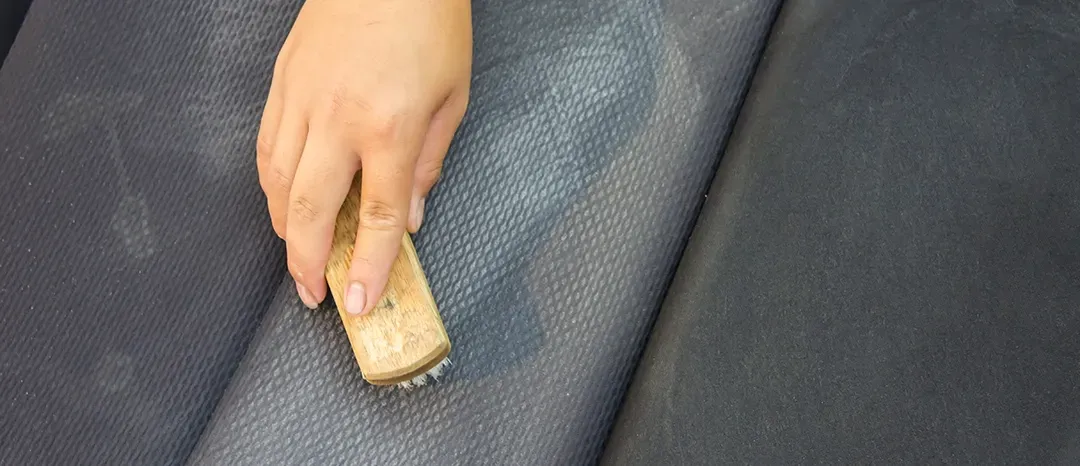
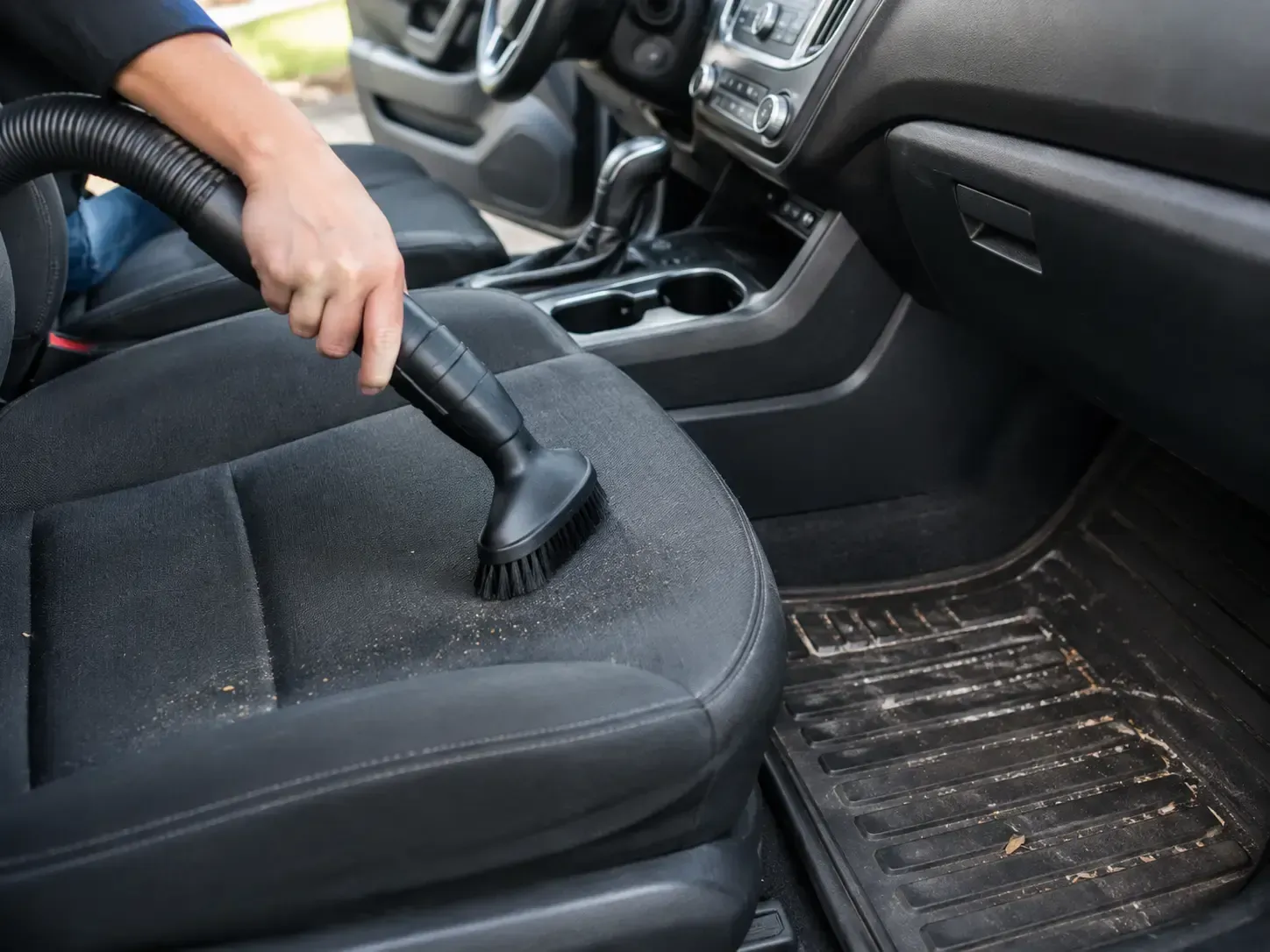
A person is cleaning a leather seat with a brush.

Understanding the Problem


White stains on car fabric are often caused by mineral residue from water, spilled drinks, or cleaning products that weren’t rinsed thoroughly. On black upholstery, even the faintest mark stands out, making regular cleaning a must. Black fabrics require extra care because they’re more prone to showing wear and fading if cleaned improperly.


Homemade Solutions for White Stain Removal


I found that everyday household ingredients could be lifesavers when tackling stubborn stains. Here’s a handy guide to the best solutions I discovered:

Solution Ingredients Needed Best For Precautions
Vinegar and Baking Soda White vinegar, baking soda, water General stains and watermarks Test on a small area first; avoid over-saturating the fabric.
Dish Soap and Warm Water Mild dish soap, warm water Light stains and surface dirt Use a microfiber cloth to avoid scratching the fabric.
Rubbing Alcohol Rubbing alcohol, cotton balls Tough, stubborn stains Apply sparingly to avoid discoloration or fabric damage.
Club Soda Club soda, clean towel Fresh spills and mild stains Do not scrub; blot gently to lift the stain.
Hydrogen Peroxide and Water Hydrogen peroxide, water Organic stains (e.g., food) Only for lighter fabrics; may lighten dark materials.
Cornstarch Paste Cornstarch, water Oily or greasy stains Allow the paste to dry fully before vacuuming it off.

Each of these methods has a purpose. Whether it’s baking soda’s ability to lift stains or club soda’s natural cleaning properties, there’s a solution for almost every stain type.


Vinegar and Baking Soda Combo


I was skeptical at first, but this duo turned out to be a powerhouse. Baking soda’s gentle abrasiveness paired with vinegar’s acidic properties work together to lift stains. I mixed equal parts of vinegar and water in a spray bottle and sprinkled baking soda directly onto the stain. After letting it bubble for a minute, I gently scrubbed with a soft brush and wiped it clean with a damp cloth.


Dish Soap and Warm Water Solution


This simple mix worked wonders on lighter stains. I combined a few drops of mild dish soap with warm water, dabbed it onto the stain using a microfiber cloth, and worked in small circles. The stain lifted quickly, and my car’s upholstery was safe from any harsh chemicals.


Rubbing Alcohol for Stubborn Stains


For tougher stains, rubbing alcohol was my go-to. I dipped a cotton ball into rubbing alcohol and gently dabbed the stain, careful not to over-saturate the fabric. This method requires caution, as overuse can damage the material.


Club Soda as a Natural Cleaner


I’ll admit, I was pleasantly surprised by how well club soda worked. Its fizzy bubbles lifted the stain without any scrubbing. I poured a small amount directly onto the fabric, blotted it with a clean towel, and let it air dry.


Safe Cleaning Practices for Black Upholstery


Black upholstery is tricky, but there are ways to ensure you clean it safely without causing further damage. Always test your cleaning solution on an inconspicuous area first. I learned this the hard way after a patch of my upholstery lightened slightly from an overly strong vinegar mix.


Drying Techniques After Cleaning


Blotting the fabric dry with a clean towel prevents watermarks. If time allows, I recommend leaving the windows open to air-dry the seats fully.


Preventing Stains in the Future


After dealing with white stains, I made a pact to keep my car seats cleaner moving forward. Using washable seat covers became a game-changer, and regular vacuuming kept dust and dirt from embedding into the fabric.


Real Stories: Success with Homemade Solutions


One reader shared how they tackled a coffee spill with a dish soap solution, while I found baking soda to be my miracle worker. Knowing others have succeeded makes tackling stains feel less daunting.


Internal Links for More Help


Need more tips? Check out our services or learn about us. For professional assistance, contact us.


Conclusion


Homemade solutions are a reliable and affordable way to tackle white stains on car upholstery. From vinegar to club soda, these easy methods saved my black seats and my wallet.


FAQ Section


How Do I Safely Test Homemade Cleaners?
Always apply the cleaner to a hidden area first and wait a few minutes to check for any adverse effects.


Can These Solutions Work on Other Fabrics?
Yes, most of these remedies work on various car fabrics, but always test first.


What Should I Do if a Stain Doesn’t Come Off?
If homemade solutions fail, reach out to a professional through our
contact page.


With a little patience and creativity, your car upholstery can look spotless again—just like mine!
By John Constantine July 6, 2026
Key Insights and Takeaways Protecting your vehicle in the harsh Las Vegas climate requires utilizing the correct techniques and avoiding common DIY detailing mistakes. Attempting to wash your car with improper tools, household chemicals, or in direct sunlight can cause expensive permanent damage to both your paint and interior materials. Securing a professional mobile detailing service ensures your automotive investment receives the safe, pH-balanced care it requires directly at your home. Use a two-bucket wash method with microfiber towels to prevent aggressive paint scratching. Never apply automotive chemicals or wash your vehicle in direct desert sunlight to avoid permanent water spotting. Avoid household cleaners containing ammonia, as they will degrade window tints and crack leather upholstery.
By John Constantine June 28, 2026
Living in Las Vegas exposes your vehicle to harsh elements and daily hazards that inevitably cause paint scratches and swirl marks. Professional scratch removal and paint correction services permanently erase these defects by safely leveling the clear coat, unlike retail kits that only offer temporary masking. * Automotive paint consists of three layers, and damage depth dictates the necessary repair method. * Professional correction physically removes defects rather than filling them with temporary, easily washed-away waxes. * Applying a ceramic coating after paint correction provides essential, long-term UV and contaminant protection for your restored finish.
By Elayna Smith June 26, 2026
For busy professionals and luxury vehicle owners in Las Vegas, choosing the right paint protection is vital to combat intense heat, UV rays, and desert dust. While traditional wax offers a temporary gloss, it quickly degrades in the Nevada sun, whereas modern ceramic coatings provide durable, multi-year protection that repels water and dirt. Investing in professional mobile detailing ensures premium vehicle care and preserves resale value without disrupting your demanding schedule. * Las Vegas heat melts traditional carnauba wax in weeks, making it impractical for long-term protection. * Ceramic coatings chemically bond with the clear coat, offering years of UV resistance and hydrophobic self-cleaning properties. * Mobile detailing services offer unmatched convenience, bringing premium paint correction and protection directly to homes and offices in Summerlin.
By Elayna Smith June 23, 2026
Every vehicle owner eventually encounters the frustration of exterior paint damage. Whether caused by stray gravel on the highway, poor parking lot etiquette, or improper washing techniques, a scratch compromises both the aesthetic appeal and the structural integrity of your vehicle. Ignoring a minor blemish often leads to severe oxidation and rust, especially under the relentless Las Vegas sun. Protecting your investment requires an understanding of paint composition, precise assessment techniques, and the right restorative methods. The Anatomy of Automotive Paint Layers Modern vehicles feature complex finishing systems engineered to withstand significant environmental abuse while maintaining high gloss. To effectively address any exterior blemishes, you must understand the exact composition of these layers. The foundation rests upon bare steel, aluminum, or composite plastic. Manufacturers apply an electrodeposition coat, often called an e-coat, directly to the raw material to inhibit rust and corrosion. A layer of primer follows this initial defense, providing a uniform texture and promoting the adhesion of the subsequent color stage.  The base coat delivers the visual pigmentation of the automotive finish. This layer contains the specific color formulation, metallic flakes, or pearlescent additives that define the aesthetic character of the vehicle. However, the base coat remains entirely vulnerable and lacks any inherent gloss. The final application is the clear coat, a transparent urethane or polyurethane layer that seals the entire system. The clear coat provides the optical depth, ultraviolet resistance, and chemical defense required to survive daily driving. Measuring between 35 to 50 microns in thickness, this fragile, transparent shield absorbs the vast majority of surface damage.
By John Constantine June 6, 2026
Key Insights and Takeaways Professional paint correction is an essential restorative process that completely transforms a dull, scratched vehicle exterior by permanently removing clear coat imperfections. For residents battling the harsh Las Vegas sun and hard water, this intensive service restores a flawless mirror-like finish that standard washing simply cannot achieve. By combining precision compounding with durable ceramic protection, vehicle owners can safeguard their automotive investment for years to come. * Paint correction mechanically levels the clear coat to permanently remove swirl marks, scratches, and mineral etching. * Automated washes often cause micro-abrasions, making specialized restorative care necessary for long-term paint health. * Following correction, applying a robust sealant or ceramic coating is crucial to protect the newly exposed clear coat from extreme Nevada UV rays.
By John Constantine May 30, 2026
Key Insights and Takeaways Restoring cloudy headlights is a crucial maintenance step for any vehicle exposed to the intense Las Vegas sun. Professional restoration goes beyond basic polishing by removing damaged plastic layers and applying durable UV sealants to guarantee long-lasting clarity. Ensuring your lenses are perfectly clear dramatically improves nighttime driving safety and enhances the overall appearance of your car. * UV radiation naturally degrades polycarbonate headlight coatings over time. * Professional services utilize multi-stage wet sanding and sealing for permanent results. * Clear lenses can restore up to eighty percent of lost nighttime visibility.
By John Constantine May 22, 2026
The demand for premium automotive care in Southern Nevada is rapidly shifting toward highly convenient, location-based services that cater to busy schedules. By bringing advanced techniques like paint correction and ceramic coatings directly to driveways across Summerlin and Henderson, professionals help owners protect their investments against the harsh desert environment. This modern approach to vehicle maintenance saves significant time while delivering superior, long-lasting results. * Mobile operations eliminate travel time by delivering fully equipped, self-contained detailing units directly to residential and commercial locations. * The harsh Nevada climate necessitates advanced exterior protection, including machine polishing and UV-resistant nano-ceramic applications. * Tailored services meet the distinct needs of diverse demographics, from busy executives with luxury sedans to retirees maintaining recreational vehicles. 
By John Constantine May 14, 2026
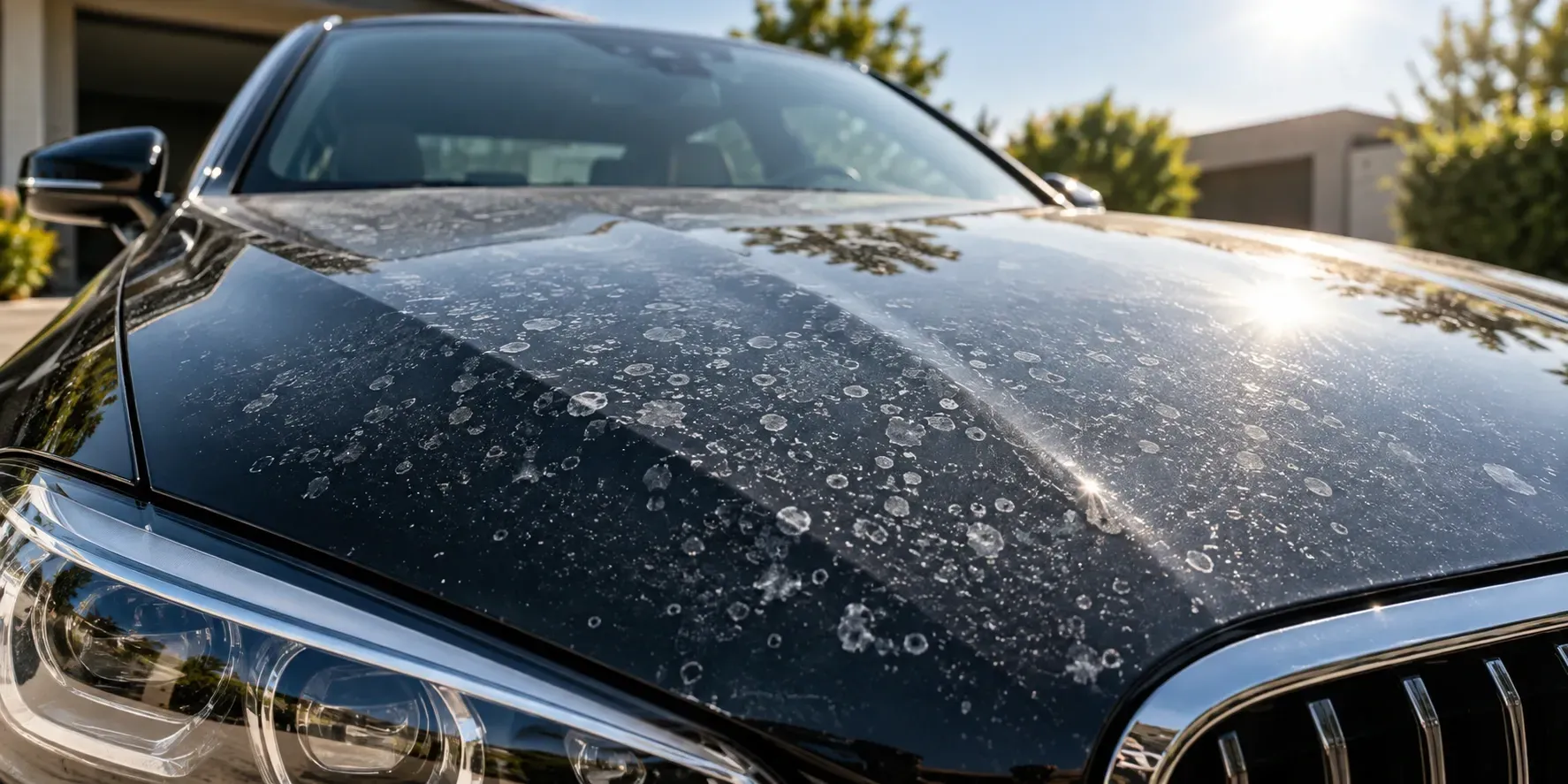
Las Vegas presents a unique microclimate that wages a constant war on automotive clear coats. The combination of intense ultraviolet radiation, fine alkaline dust from the Mojave Desert, and some of the hardest municipal water in the country creates a perfect environment for paint degradation. When mineral-heavy water dries under the Nevada sun, it leaves behind stubborn calcium deposits. When combined with abrasive sand particles blown across the valley, a simple wash can quickly turn into a costly mistake resulting in swirl marks and etched paint. Understanding the chemical composition of these local elements is the first step in properly maintaining a high-value vehicle. Las Vegas dust contains sharp silica particles. If you run a dry microfiber towel across a dusty hood, you are effectively sanding your own clear coat. Furthermore, the local water supply carries massive amounts of dissolved solids. When a rogue sprinkler hits your car in Henderson or Summerlin, the moisture evaporates rapidly. The remaining minerals physically bond to the paint surface. Over time, these alkaline deposits will eat through the clear coat and cause permanent damage. Automated drive-through washes exacerbate the problem. These facilities typically rely on recycled water that still contains trace minerals. They also utilize heavy friction brushes that trap desert sand from previous vehicles. As those brushes spin against your car, they inflict thousands of microscopic scratches. This diminishes the gloss and leaves the vehicle looking dull. For luxury car owners, RV enthusiasts, and busy professionals who want to preserve their investment, specialized care is an absolute necessity.
By John Constantine May 7, 2026
Living in Southern Nevada requires specific adjustments. You learn to stay hydrated, you understand how to navigate the heat, and you quickly realize that the environment is relentlessly harsh on your property. Your vehicle takes the brunt of this environmental abuse. Every single day your car sits outside, a combination of intense ultraviolet radiation, alkaline dust, and mineral-heavy water works systematically to degrade its exterior finish. Most vehicle owners only notice the damage when it becomes severe. They see the clear coat peeling on the roof or notice that their once-glossy hood now looks cloudy and dull. By the time this level of visible failure occurs, preventative measures are no longer an option.  The only remaining fix is a highly expensive trip to a body shop for a complete respray. However, this worst-case scenario is entirely preventable. Understanding the specific environmental threats in our region and applying the correct preventative maintenance strategies will keep your vehicle looking pristine for years.
By John Constantine May 3, 2026
Nothing ruins the look of a perfectly maintained vehicle faster than a highly visible scratch on the clear coat. Whether the damage happened in a crowded casino parking garage, from a careless shopping cart, or due to loose gravel kicked up on the I-15 freeway, paint damage is a constant and frustrating reality for drivers living in Las Vegas NV. Many vehicle owners assume a minor blemish will simply wash away with their next cleaning, but true surface damage always requires specialized mechanical attention. At Summerlin Mobile Carwash , we see firsthand how the harsh desert environment accelerates paint degradation when scratches are left untreated. A compromised clear coat allows UV rays and contaminants to penetrate the finish. Addressing these imperfections promptly is the only way to prevent larger structural issues like clear coat failure, oxidation, and eventual rust.
More Posts