How Does UV Exposure Affect a Car’s Exterior Over Time?
key Takeaways and Insights
Ultraviolet radiation from the sun slowly breaks down the chemical bonds in a vehicle's clear coat, leading to severe oxidation and eventual peeling. Las Vegas drivers face an especially harsh environment where extreme heat and intense sunlight accelerate exterior degradation. Securing professional maintenance and utilizing advanced ceramic coatings are the most effective ways to preserve your vehicle's value and appearance.
- UV-A and UV-B rays cause both deep color fading and surface-level clear coat destruction.
- Mobile detailing services offer a convenient, safe way to maintain exterior protection without wasting time.
- Ceramic coatings provide long-term, extreme UV resistance compared to traditional automotive waxes.
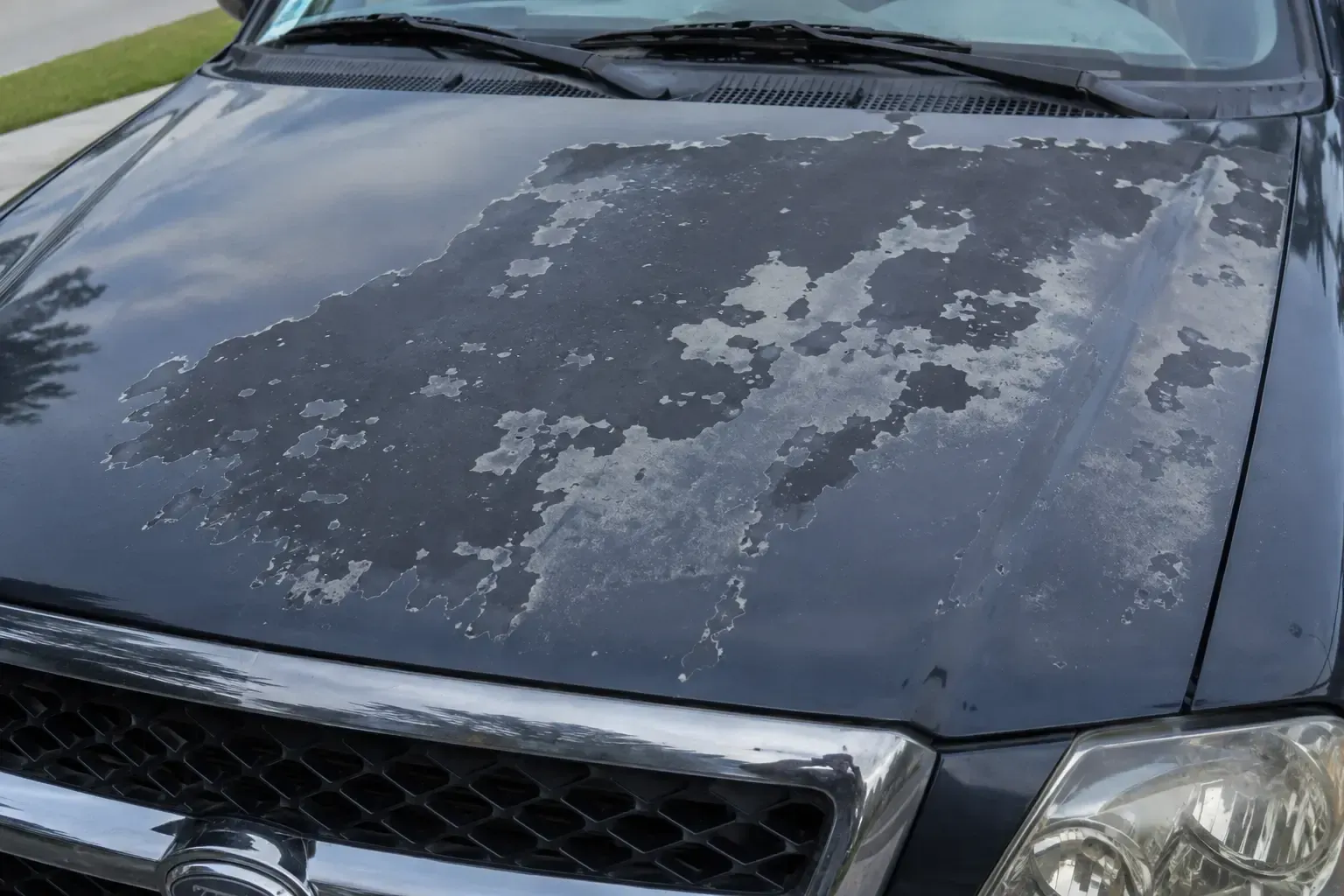
Sun exposure silently destroys vehicle exteriors. The damage does not happen overnight. It is a slow, steady process. You might first notice a slight dullness on your hood. Later, the color begins to fade. Eventually, the protective clear coat peels away entirely.
Vehicle owners in Las Vegas face a unique environmental challenge. The desert sun delivers relentless ultraviolet radiation year-round. This intense radiation breaks down automotive paint at a microscopic level. Understanding exactly how UV exposure affects your car over time is the first step in preventing permanent damage. We will explore the science behind paint degradation and outline practical strategies to protect your investment.
The Science of Ultraviolet Radiation on Vehicle Paint
The sun emits different types of ultraviolet light. The two primary types that affect your vehicle are UV-A and UV-B rays. Both cause distinct forms of damage to a car exterior.
UV-A rays have long wavelengths. They easily penetrate the outer clear coat of your vehicle. These rays reach the base color layer of your paint. Once there, they break down the chemical bonds in the pigment. This process directly causes color fading and discoloration.
UV-B rays have shorter wavelengths. They carry more energy than UV-A rays. Because they are shorter, they do not penetrate as deeply. Instead, they attack the surface layer. UV-B rays are responsible for destroying your clear coat. They bake the top layer of resin until it becomes brittle.
The Role of the Clear Coat
Modern vehicles use a two-stage paint system. The bottom layer is the base coat. This layer provides the actual color of the car. The top layer is the clear coat. The clear coat is a transparent, protective resin.
Automakers design the clear coat to absorb and reflect ultraviolet radiation. It acts exactly like sunscreen for your vehicle. However, the clear coat has limits. It can only absorb a certain amount of radiation before it begins to fail. Over time, the constant bombardment of UV rays depletes the protective chemicals within the clear coat.
The Visible Stages of Sun Damage
Sun damage happens in predictable stages. Recognizing these stages early can save you thousands of dollars in repainting costs.
Stage One: Fading and Dullness
The earliest sign of UV damage is a loss of gloss. A brand new car reflects light perfectly. The surface acts like a mirror. As UV rays microscopic degrade the clear coat, the surface becomes rough.
This microscopic roughness scatters light instead of reflecting it. The car loses its deep, wet shine. The color begins to look slightly milky or chalky. Red cars often turn pink. Black cars slowly fade into a dull, flat gray.
Stage Two: Severe Oxidation
If you leave the paint unprotected, oxidation begins. Oxidation is a chemical reaction. Oxygen molecules combine with the paint resins as they break down under the sun.
At this stage, the surface feels rough to the touch. The paint looks powdery. When you run your hand across an oxidized hood, a chalky residue might come off on your fingers. This means the clear coat is actively dying. The protective layer is dissolving into the atmosphere.
Stage Three: Clear Coat Failure and Peeling
This is the final and most destructive stage. The clear coat loses all elasticity. The desert heat causes the metal panels of your car to expand and contract daily. The brittle, sun-damaged clear coat cannot flex with the metal.
The clear coat begins to crack. Soon after, it starts flaking off in large patches. This exposes the delicate base coat directly to the elements. Once a clear coat begins peeling, you cannot fix it with simple detailing. The only real solution is sanding the panel down and completely repainting the vehicle.
How the Las Vegas Climate Accelerates Degradation
Las Vegas experiences over 300 days of sunshine every year. The ultraviolet index frequently reaches extreme levels during the summer months. This environmental reality makes local vehicles highly vulnerable to premature aging.
The intense heat plays a massive role in paint destruction. Darker vehicles absorb incredible amounts of solar energy. Surface temperatures on a black car parked in the Nevada sun can easily exceed 160 degrees Fahrenheit. This extreme heat literally bakes the paint. It accelerates the chemical breakdown of the clear coat.
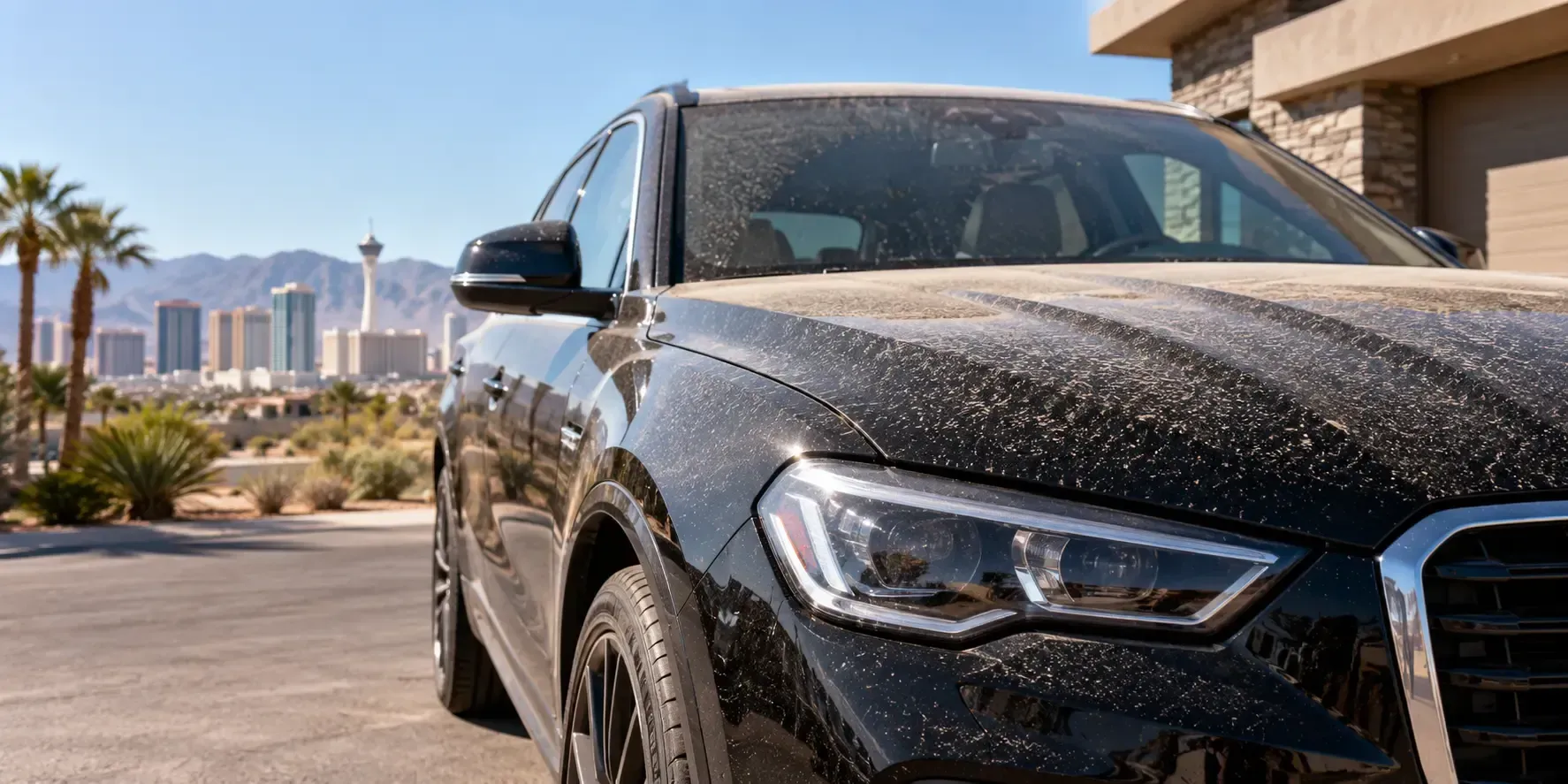
Furthermore, the desert environment introduces blowing dust and sand. These abrasive particles settle on your paint. When wiped away improperly, they create microscopic scratches. These tiny scratches weaken the clear coat. They provide a deeper entry point for UV rays to attack the base color. Routine professional maintenance is essential to combat these harsh desert conditions.
Why Las Vegas Residents Need a Mobile Car Wash Service
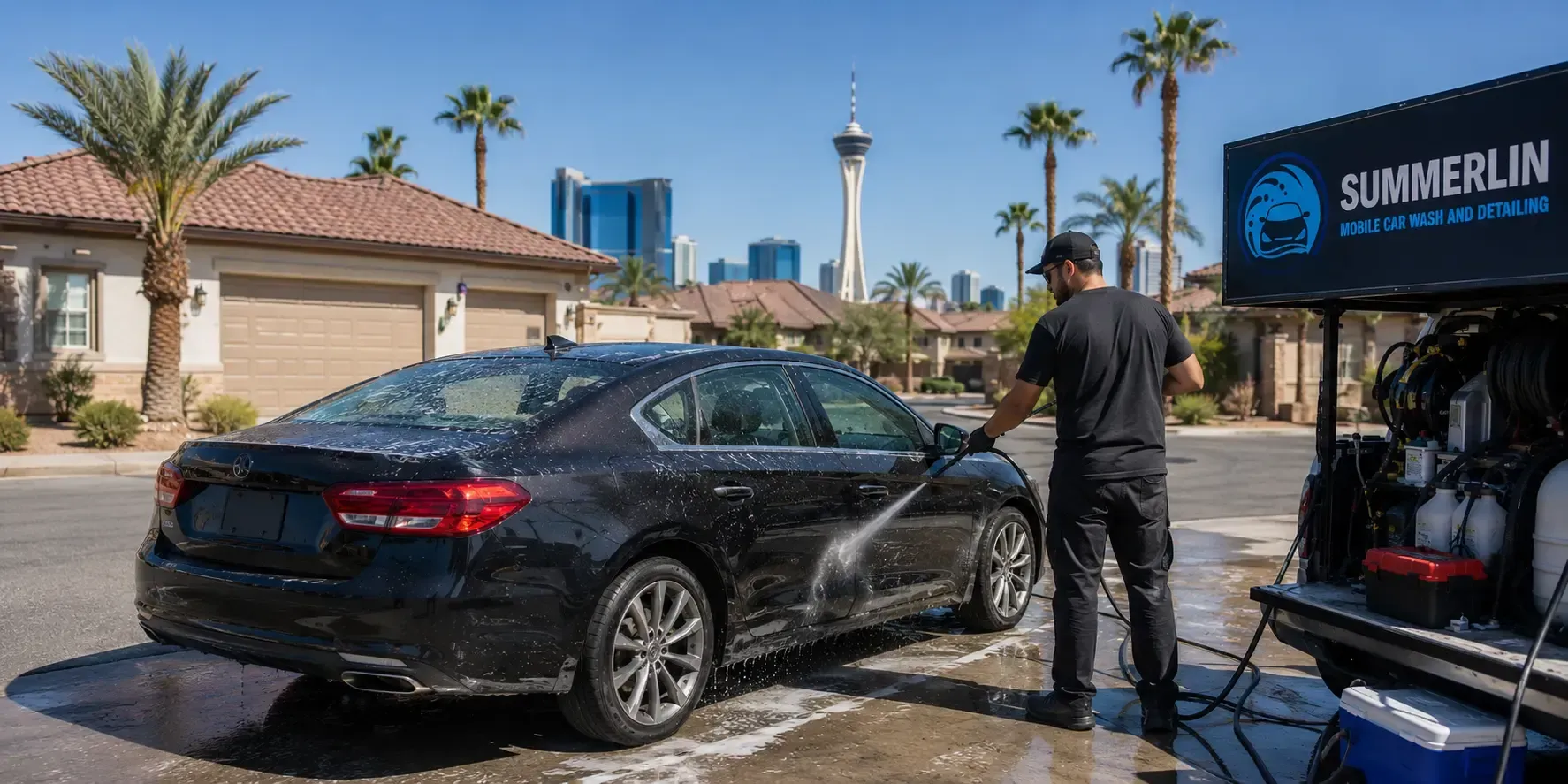
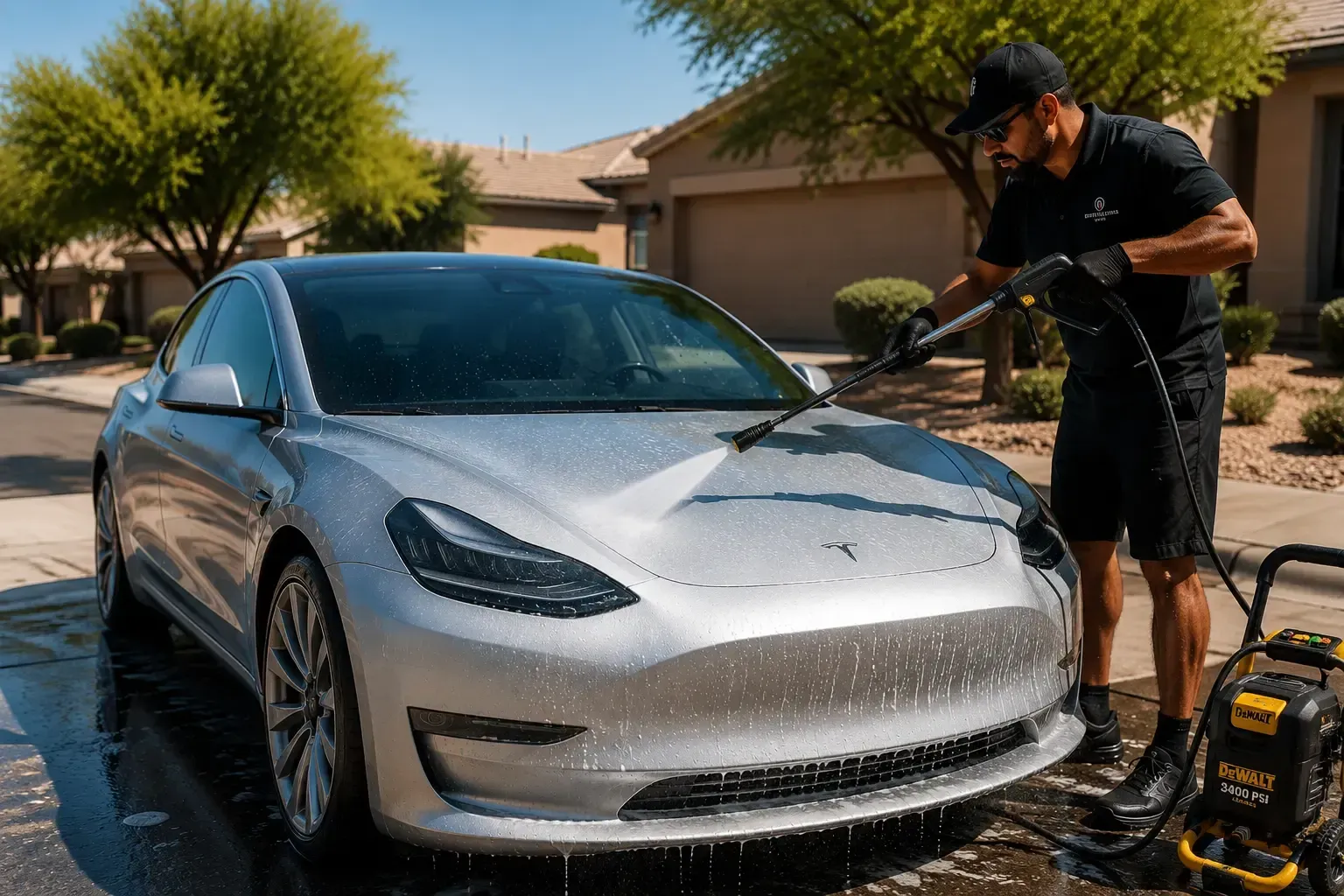
Protecting your vehicle requires consistent cleaning and maintenance. However, finding the time for proper auto care is difficult. This is exactly why utilizing a Mobile Car Wash Service provides immense value.
Ultimate Convenience for Busy Professionals
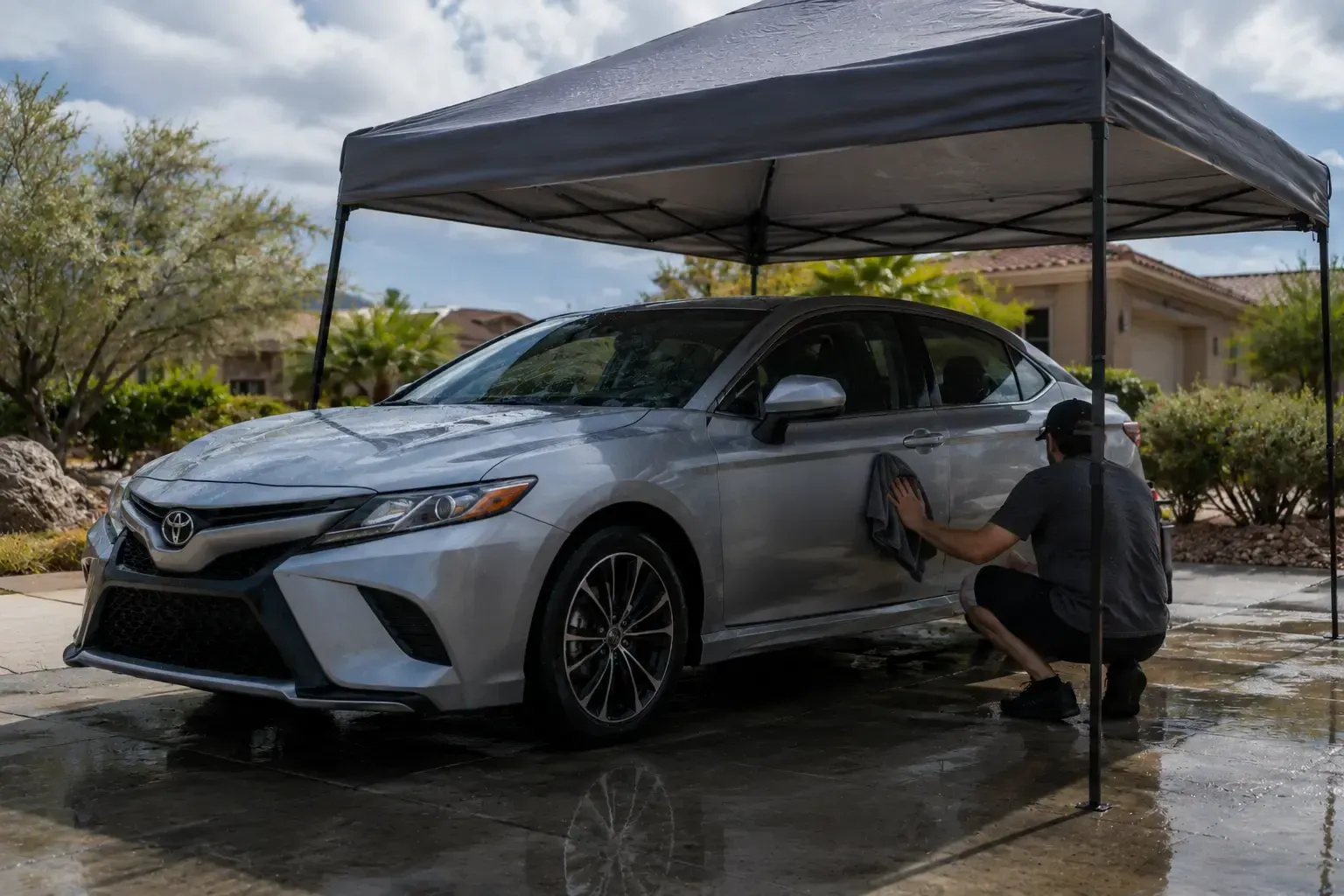
Modern professionals have demanding schedules. Waiting in line at a traditional, physical car wash wastes valuable time. A mobile operation eliminates this frustration entirely. Professional technicians bring the equipment, water, and specialized chemicals directly to your location.
You can have your vehicle maintained while you work in your office. You can schedule an appointment while relaxing at your house. This convenience ensures that your vehicle actually receives the regular maintenance it needs to fight off UV damage.
By trusting Mobile Car Wash Summerlin LFL, you guarantee your vehicle receives top-tier care without disrupting your daily routine. Expert detailers understand the specific challenges of the local climate. They use proper shade techniques and pH-balanced chemicals to safely clean sun-baked paint.
Protecting Expensive Vehicle Investments
Luxury cars, modern SUVs, and large family minivans represent significant financial investments. High-end vehicle owners understand the importance of flawless paint. A premium mobile service offers specialized treatments that automated tunnel washes simply cannot provide.
Automated car washes use harsh brushes. These brushes scratch your clear coat. They introduce swirl marks that catch the sunlight and ruin the finish. Hand washing by trained professionals preserves the integrity of your paint. It ensures that protective waxes and sealants remain intact longer.
RVs and large trucks also face massive UV exposure. Because of their size, they are rarely parked in garages. Finding a facility that can accommodate an RV is very difficult. Mobile detailers specialize in servicing these large vehicles on site. They apply essential UV protection to massive fiberglass panels that would otherwise quickly turn yellow and chalky.
The Hidden Victims of UV Exposure
Ultraviolet radiation does not just destroy painted metal. It systematically degrades almost every exterior surface on your vehicle.
Headlight Oxidation
Modern headlights are made from polycarbonate plastic. Automakers spray a thin UV-resistant coating over this plastic at the factory. The desert sun eventually burns this coating away.
Once unprotected, the plastic absorbs UV rays and turns a hazy, cloudy yellow. This is not just a cosmetic issue. Yellowed headlights severely reduce nighttime visibility. It creates a major safety hazard for drivers on unlit desert highways.
Plastic Trim and Rubber Seals
Many SUVs and trucks feature extensive black plastic cladding around the wheel wells and bumpers. UV rays draw the essential oils out of these plastics. The black trim rapidly fades to an ugly, mottled gray. Eventually, the plastic becomes brittle and cracks.
Rubber window seals suffer a similar fate. The sun dries out the weatherstripping around your doors and windshield. The rubber shrinks and splits. This degradation leads to wind noise while driving. It also allows water to leak into the cabin during rare desert rainstorms.
Advanced Paint Protection Strategies
Washing your car regularly removes harmful dust and mineral deposits. However, washing alone does not block ultraviolet radiation. You must apply a sacrificial barrier over your clear coat to truly stop sun damage.
Traditional Waxes and Synthetic Sealants
Carnauba wax provides a deep, warm shine. It offers a basic layer of UV protection. Unfortunately, traditional wax melts quickly in the Nevada heat. It usually only lasts a few weeks under the summer sun.
Synthetic sealants are a better option for desert drivers. Chemists design these products in a laboratory. They use polymers that bond to the clear coat. A high-quality synthetic sealant can provide solid UV protection for up to six months.
The Power of Ceramic Technology
For maximum defense against the sun, advanced nanotechnology is required. A premium ceramic coating application represents the ultimate in exterior protection.
Ceramic coatings are liquid polymers. When applied to your vehicle, they chemically bond with the factory clear coat. They do not wash away or break down easily. A proper ceramic coating contains concentrated UV inhibitors. It functions like a heavy-duty force field against the sun.
Ceramic products also create a highly hydrophobic surface. Water, dirt, and desert dust slide right off the slick surface. This makes routine maintenance incredibly fast and safe.
Comparing Exterior Protection Options
Choosing the right defense strategy depends on your budget and maintenance preferences. The table below outlines the primary differences between popular protective options.
| Protection Type | Average Lifespan | UV Resistance Level | Maintenance Requirement |
|---|---|---|---|
| Carnauba Wax | 1 to 3 months | Low | High |
| Synthetic Sealant | 4 to 6 months | Medium | Moderate |
| Ceramic Coating | 2 to 5 years | Extremely High | Low |
| Paint Protection Film | 5 to 10 years | Maximum | Low |
Maintaining your vehicle exterior saves money over the long term. Sun damage ruins the resale value of your car. Buyers will deduct thousands of dollars for peeling clear coat and yellow headlights. Proper maintenance preserves your equity.
If you are ready to protect your vehicle from the harsh desert climate, you can easily reach out to our scheduling team to discuss the best defensive options for your specific vehicle.
Frequently Asked Questions
Can faded car paint be restored?
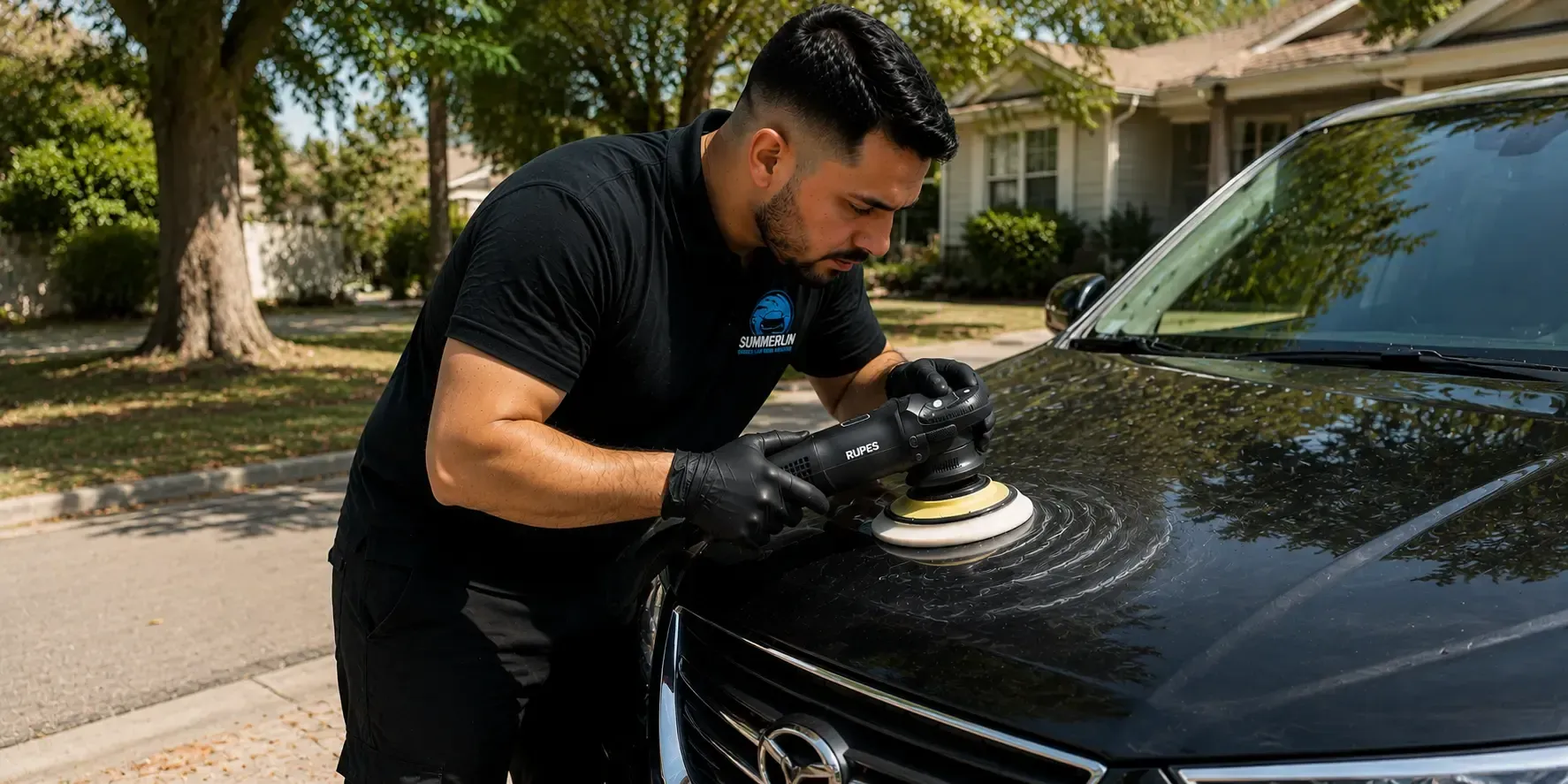
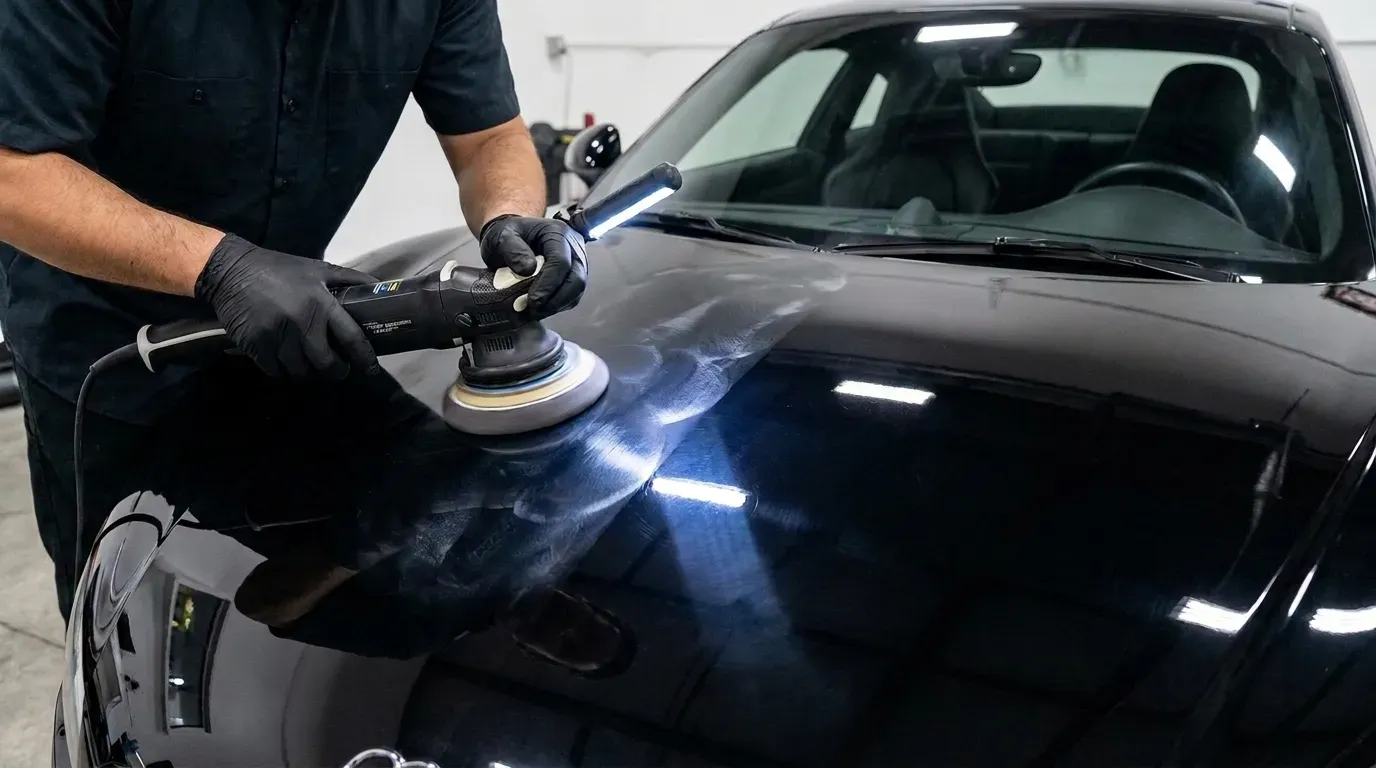
Yes, minor fading and dullness can usually be fixed. Professional detailers use a process called paint correction. They use machine polishers and specific abrasive compounds to gently remove the damaged, oxidized top layer of the clear coat. This reveals the fresh, glossy resin underneath. However, if the clear coat has already started peeling, polishing will not work.
Does washing my car prevent sun damage?
Washing alone does not block UV rays. However, it is a critical step in the prevention process. Dirt, bird droppings, and tree sap contain acids. If left on the paint in the hot sun, these acids bake into the clear coat and weaken it. A clean car provides a perfect foundation for applying protective waxes and ceramic coatings.
How often should I apply paint protection?
The frequency depends entirely on the product you choose. Traditional paste wax requires reapplication every four to six weeks in hot climates. Synthetic polymer sealants should be applied at least twice a year. If you opt for a professional grade ceramic coating, you only need to apply it once every few years, provided you maintain it with safe washing methods.