
Unveiling the Mystery: Decoding Car Paint Scratches Like a Pro

September 20, 2024

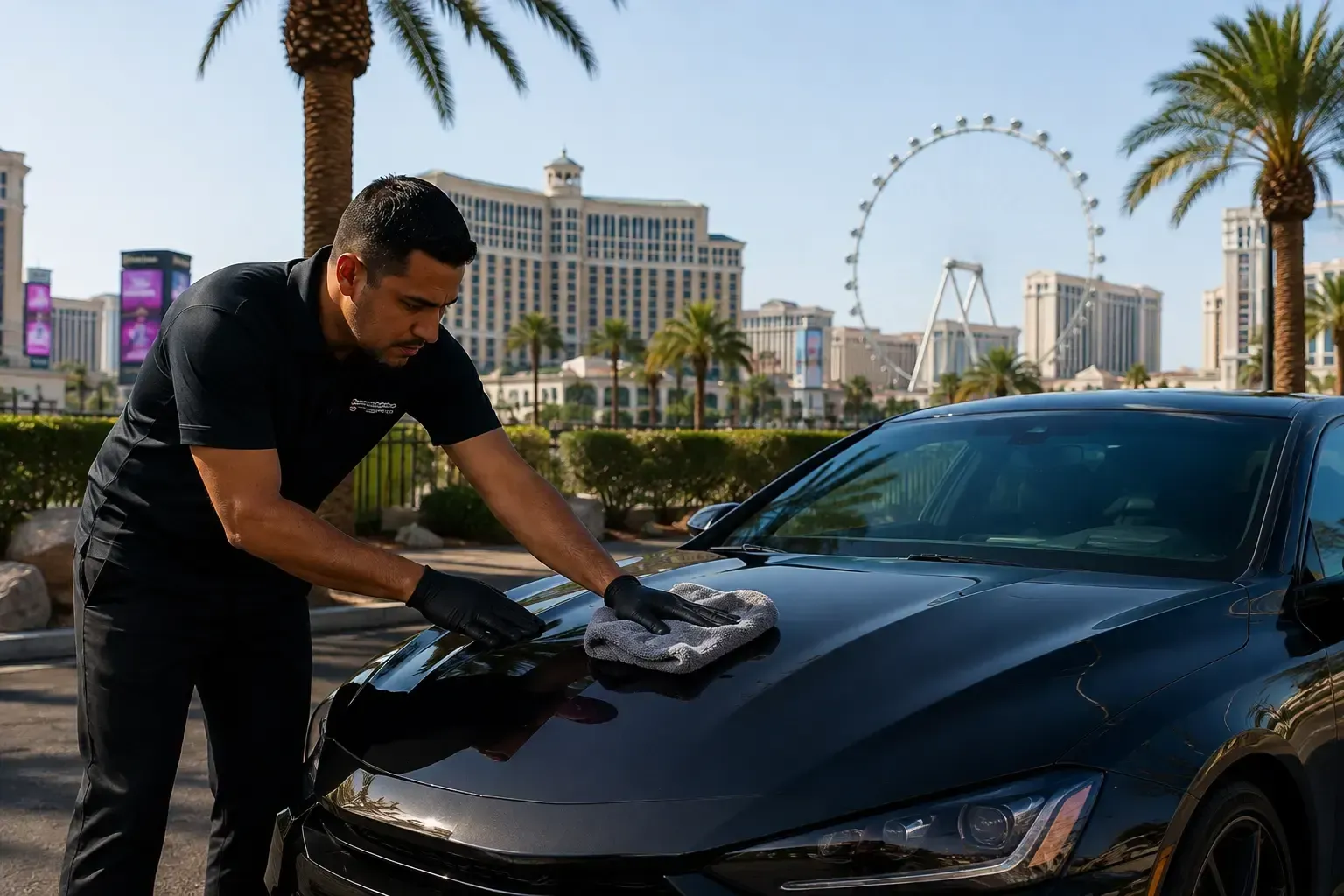
Picture this: It's a beautiful sunny day in Las Vegas, and I'm walking towards my car in the parking lot of the Bellagio. As I get closer, my heart sinks. There it is – a scratch on my car's pristine paint job. But is it a minor blemish or something more serious? How can I tell? If you've ever found yourself in this situation, wondering about the severity of a scratch on your car's paint, you're not alone. In this guide, I'll walk you through everything you need to know about identifying different types of car paint scratches, so you can tackle them like a pro.
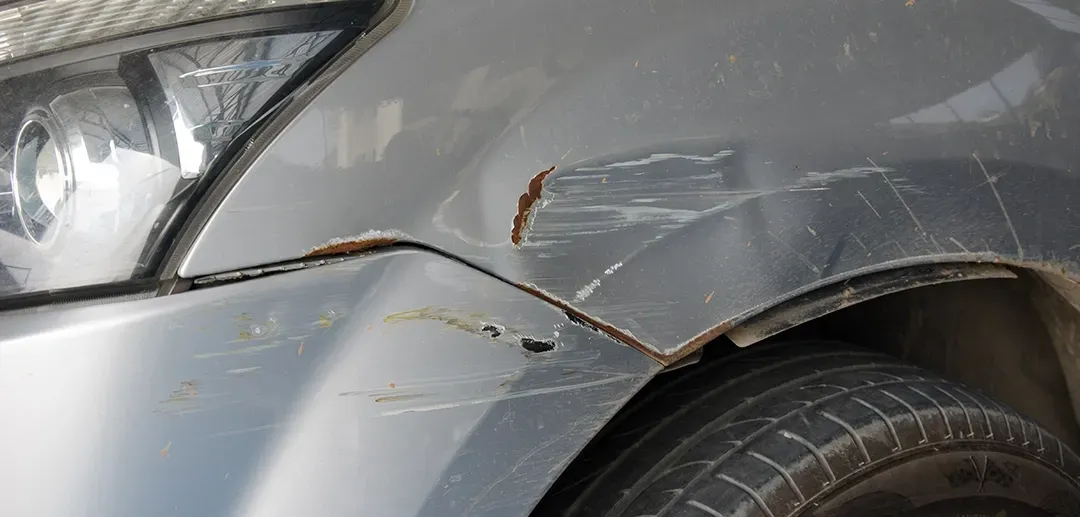
The Basics of Car Paint Layers

Before we dive into the nitty-gritty of scratch identification, it's crucial to understand the layers that make up your car's paint job. Think of it as a delicious cake, with each layer serving a specific purpose:

  1. Clear coat: This is the topmost layer, like the frosting on our cake. It's transparent and protects the paint underneath while giving your car that showroom shine.
  2. Base coat: This is where the actual color of your car comes from. It's like the main cake layer, providing that beautiful hue you love.
  3. Primer: Consider this the foundation of your paint job. It helps the paint adhere better to the metal and provides additional protection.
  4. Metal body: This is the actual body of your car, the base upon which everything else is built.

Understanding these layers is key to identifying the type and severity of scratches on your car.


Types of Car Paint Scratches

Now that we know the layers, let's look at the three main types of scratches you might encounter:


Clear Coat Scratches

These are the most common and, thankfully, the least severe. They only affect the clear coat layer and don't reach the color coat. Think of them as light scratches on the frosting of our cake – annoying, but not ruining the whole dessert.


Paint Scratches

These go deeper, penetrating the clear coat and reaching the color layer. In our cake analogy, this would be like a cut that goes through the frosting and into the main cake layer. These are more noticeable and require more attention.


Deep Scratches

These are the most severe, going through all layers and reaching the metal body. It's like cutting all the way through our cake to the plate beneath. These scratches often expose bare metal and need immediate attention to prevent rust.


How to Identify Different Scratch Types

Now, let's get our detective hats on and learn how to identify these different types of scratches:


Visual Inspection

Start with a good look at the scratch in bright light. Clear coat scratches often appear white or silvery and may disappear when wet. Paint scratches will show the color of the underlying paint or primer. Deep scratches might reveal the metal beneath. 


Touch Test

Gently run your fingernail across the scratch. If your nail doesn't catch, it's likely a clear coat scratch. If it catches slightly, you're probably dealing with a paint scratch. A deep scratch will be very noticeable to your fingernail.


Water Test

This is a simple yet effective test. Spray some water on the scratch. If it disappears or becomes much less visible when wet, it's likely just in the clear coat. If it remains clearly visible when wet, it's deeper.


Common Causes of Car Paint Scratches

Understanding what causes scratches can help you prevent them in the future. Here are some common culprits:


Environmental Factors

  • Tree sap
  • Bird droppings
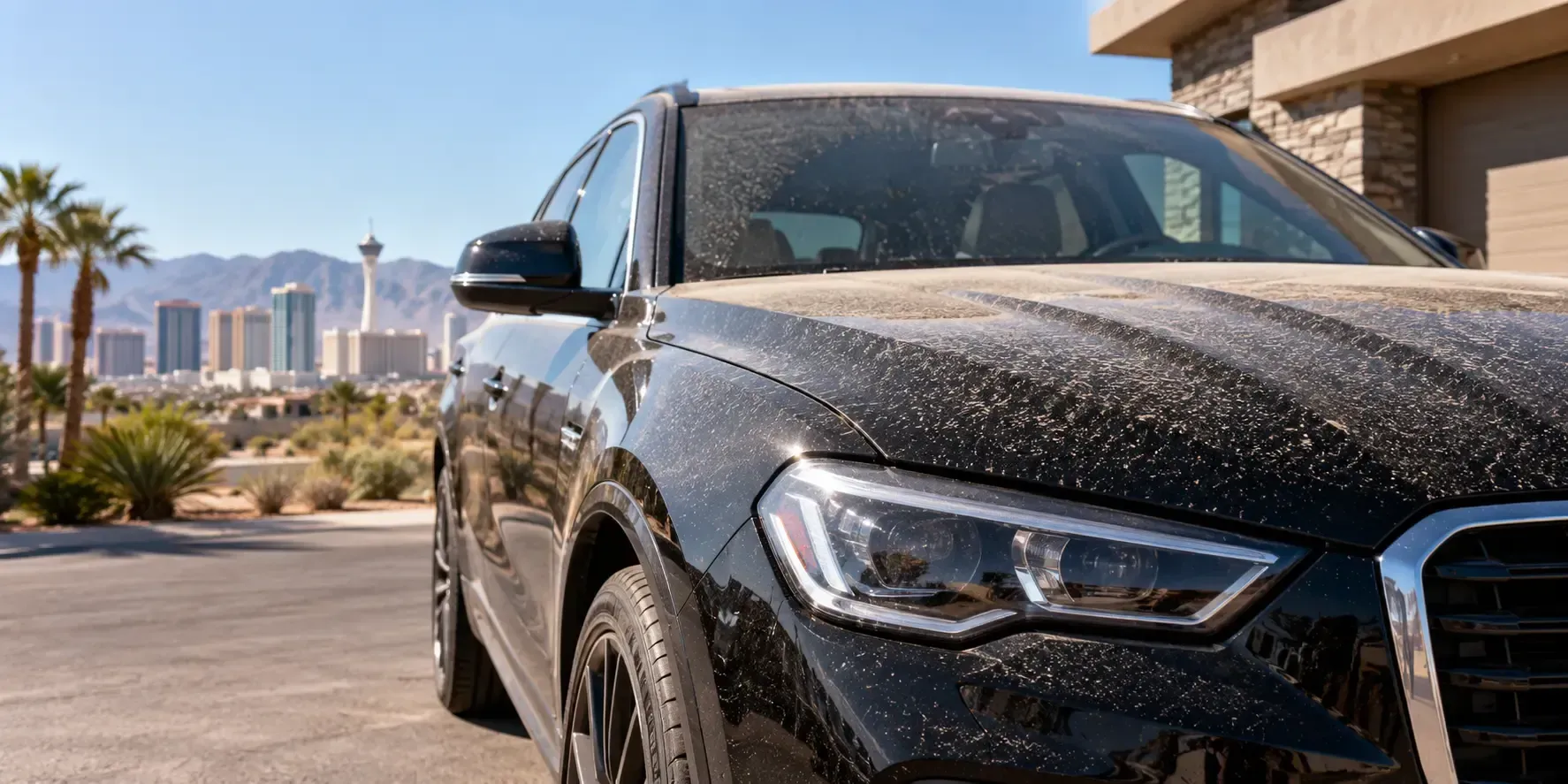
  • Dust and sand (a particular problem here in Las Vegas!)
  • Acid rain


Human-Caused Scratches

  • Improper washing techniques (like using a dirty sponge)
  • Leaning against the car with rough clothing or jewelry
  • Sliding items across the paint surface


Accidental Scratches

  • Shopping cart dings
  • Car door bumps in parking lots
  • Minor fender benders


DIY Scratch Assessment Techniques

Want to play auto detective? Here are some DIY techniques you can use to assess scratches:


The Fingernail Test

We mentioned this earlier, but it's worth repeating. Run your fingernail across the scratch. If it doesn't catch, it's likely just in the clear coat. If it catches, it's deeper.


The Coin Test

Gently drag the edge of a coin across the scratch at a 45-degree angle. If the coin skips or jumps, the scratch is likely deep.


The Flashlight Method

In a dark area, shine a flashlight across the surface of the scratch at an angle. This can help reveal the depth and extent of the scratch.


Professional Scratch Assessment Tools

While DIY methods are great, sometimes you need more precise tools. Here are some professional-grade options:


Paint Depth Gauge

This tool measures the thickness of your car's paint layers. It can help determine how much clear coat or paint is left and whether it's safe to buff out a scratch.


Scratch Depth Gauge

This specialized tool measures the exact depth of a scratch, helping to determine which layer it penetrates.


Digital Microscope

For really precise examination, a digital microscope can reveal the true nature of a scratch, showing you exactly which layers are affected.


Scratch Repair Options Based on Type

Now that you've identified your scratch, what can you do about it?


Clear Coat Scratch Repair

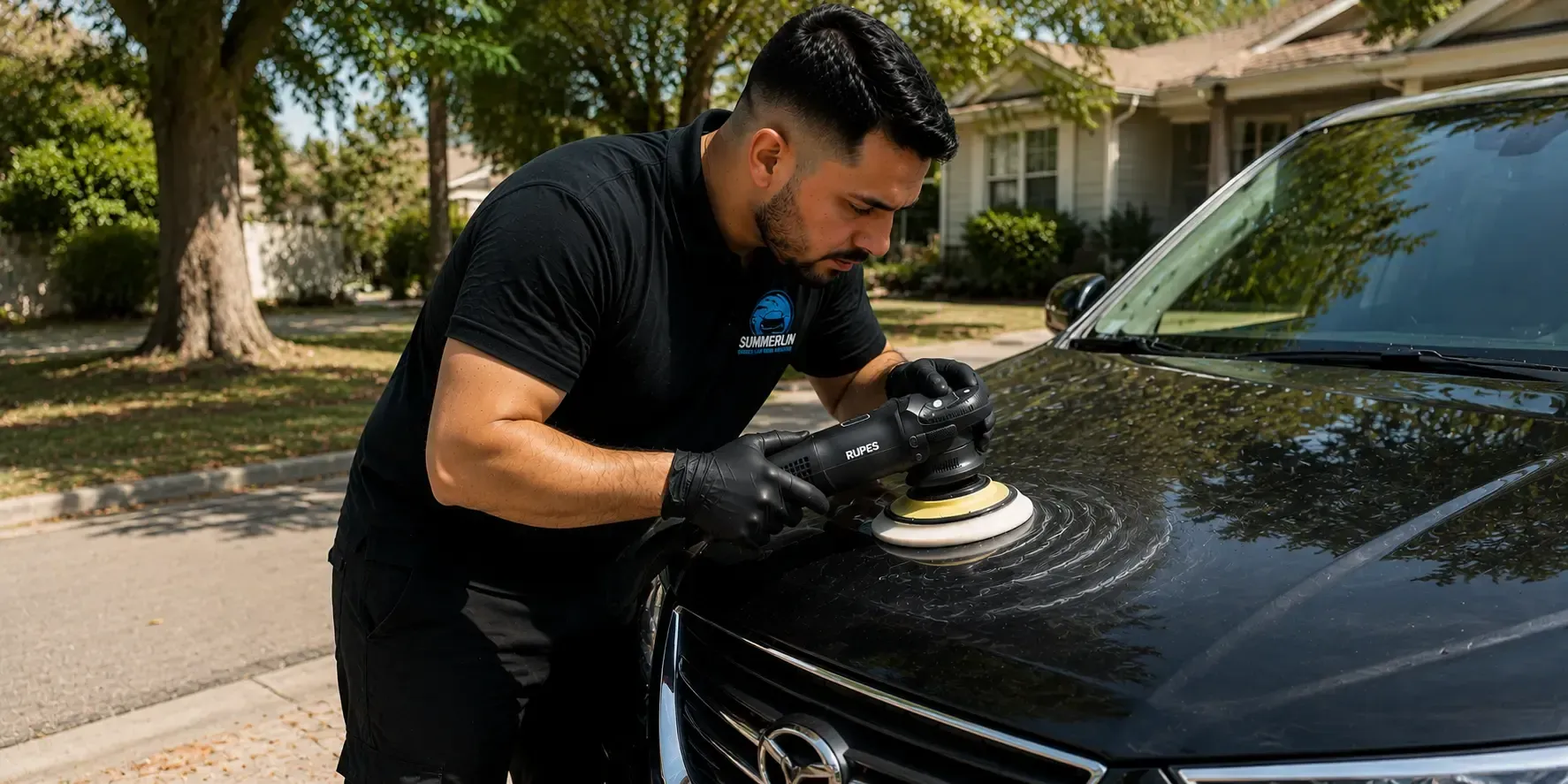
These can often be fixed with some polishing compound and elbow grease. A good mobile car wash service can usually handle these for you.


Paint Scratch Repair

These might require touch-up paint and some careful blending. While DIY kits are available, getting professional help often yields better results.


Deep Scratch Repair

For these serious scratches, it's best to seek professional help. They may need to sand, fill, repaint, and blend the affected area.


When to DIY vs. Seek Professional Help

Deciding whether to tackle a scratch yourself or call in the pros depends on a few factors:


Assessing Your Skills

Be honest with yourself. Do you have the patience and steady hand for delicate paint work?


Considering the Scratch Severity

Clear coat scratches are often DIY-friendly. Deeper scratches usually require professional expertise.


Weighing the Costs

Sometimes, the cost of DIY materials and the risk of making a mistake outweigh the cost of professional repair.


Preventing Future Scratches

An ounce of prevention is worth a pound of cure, especially when it comes to car paint. Here's how to keep your ride looking sharp:


Regular Washing and Waxing

Keeping your car clean and waxed provides a protective barrier against scratches. Just make sure you're using proper car washing techniques!


Protective Coatings

Consider investing in a ceramic coating or paint protection film. These provide an extra layer of defense against scratches and other damage.


Mindful Parking Habits

Park away from other cars when possible, and be careful when opening your doors in tight spaces.


The Impact of Las Vegas Climate on Car Paint

Living in Las Vegas, we face some unique challenges when it comes to car paint protection:


Sun Damage

Our intense sun can fade and damage car paint over time. Regular waxing and parking in shaded areas can help.


Dust and Sand Effects

The desert environment means lots of tiny particles that can scratch your paint. Regular washing is key.


Temperature Fluctuations

Extreme heat and rapid cooling can stress your car's paint. A garage or car cover can provide protection.


Local Resources for Car Paint Care in Las Vegas

Fortunately, Las Vegas has plenty of resources for keeping your car looking great:


Auto Detailing Services

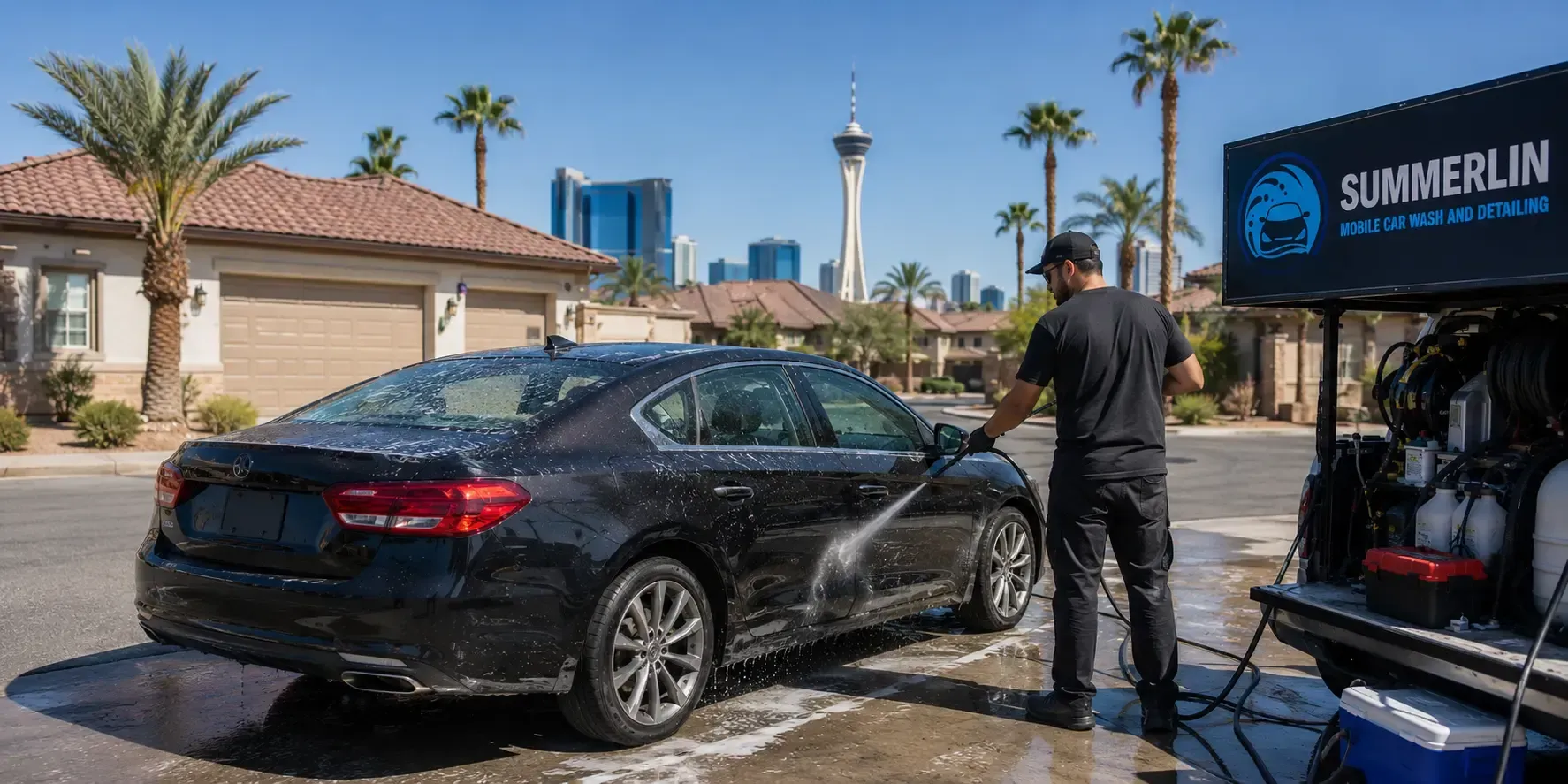
From basic washes to full paint correction, there are many options. Our team at Mobile Car Wash Summerlin Las Vegas specializes in convenient, high-quality car care.


Paint Protection Specialists

Several local businesses offer ceramic coating and paint protection film installation.


DIY Car Care Supplies

For the home detailer, numerous auto parts stores and detailing supply shops in the area carry everything you need.


Conclusion

Understanding and identifying car paint scratches doesn't have to be a mystery. With the knowledge you've gained from this guide, you're well-equipped to assess any scratches you might encounter and make informed decisions about repair. Remember, regular care and mindful habits go a long way in preventing scratches in the first place. And when in doubt, don't hesitate to reach out to professionals for advice or assistance.


Key Takeaways

  • Car paint has multiple layers: clear coat, base coat, primer, and metal body
  • There are three main types of scratches: clear coat, paint, and deep scratches
  • Visual inspection, touch tests, and water tests can help identify scratch types
  • DIY repair is possible for minor scratches, but deep scratches need professional help
  • Regular care and protective measures can prevent many scratches
  • Las Vegas's climate presents unique challenges for car paint protection


FAQs

  1. Q: Can all scratches be buffed out? A: No, only scratches in the clear coat can typically be buffed out. Deeper scratches require more extensive repair.
  2. Q: How often should I wax my car to prevent scratches? A: In Las Vegas's harsh climate, waxing every 3-4 months is a good rule of thumb.
  3. Q: Is it worth fixing a small scratch? A: Yes, even small scratches can lead to rust if left untreated, especially in deeper scratches.
  4. Q: Can I use household items to remove scratches? A: While some household items like toothpaste can minimally help with very light scratches, it's best to use products specifically designed for car paint.
  5. Q: How much does professional scratch repair typically cost? A: Costs can vary widely depending on the severity of the scratch, from $50-$100 for light scratches to $500 or more for deep scratches requiring repainting.


Remember, your car is more than just a mode of transportation – it's an investment. Keeping its paint in top condition not only maintains its appearance but also its value. So the next time you spot a scratch, you'll know exactly what you're dealing with and how to handle it. Happy driving, Las Vegas!
By John Constantine July 6, 2026
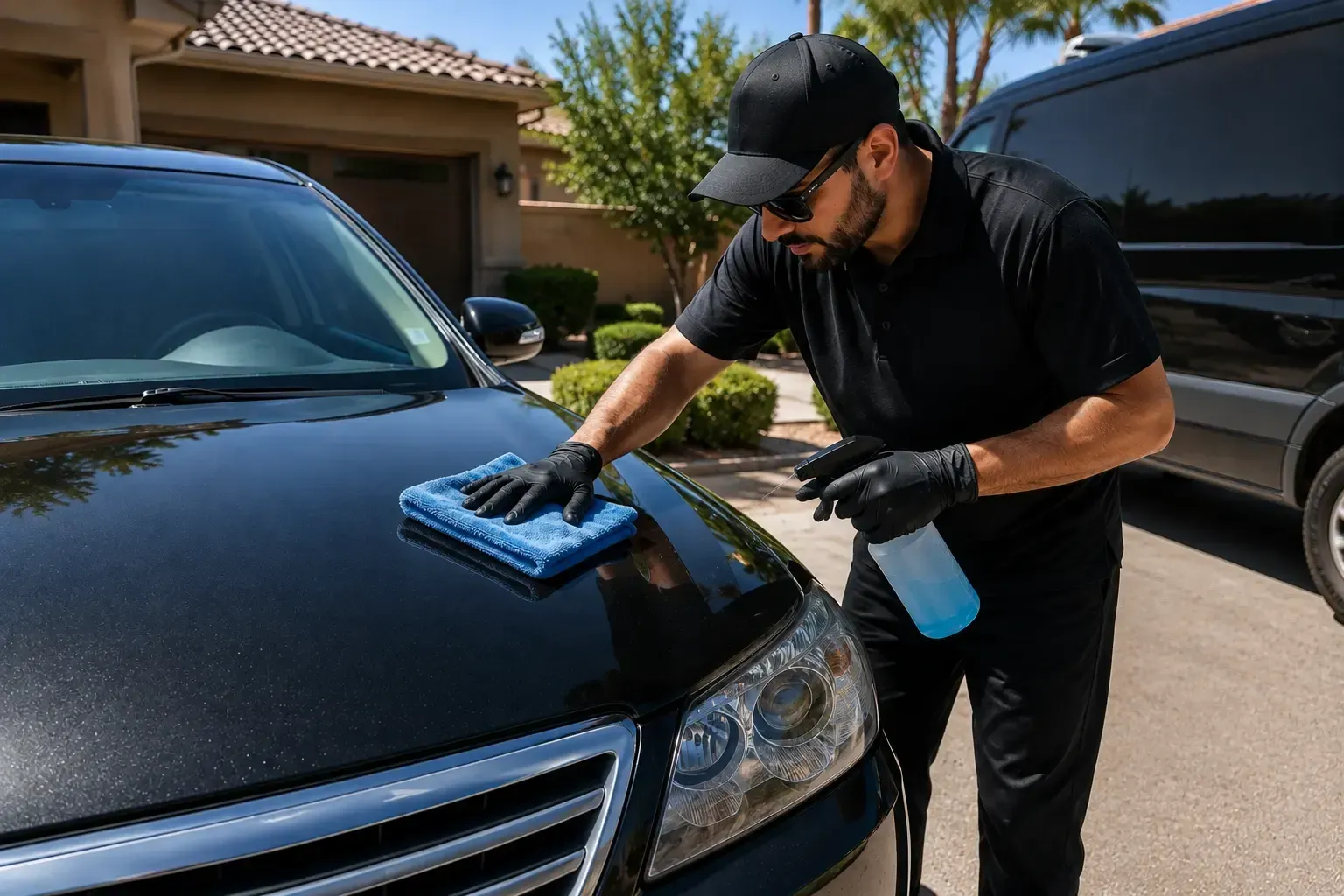
Key Insights and Takeaways Protecting your vehicle in the harsh Las Vegas climate requires utilizing the correct techniques and avoiding common DIY detailing mistakes. Attempting to wash your car with improper tools, household chemicals, or in direct sunlight can cause expensive permanent damage to both your paint and interior materials. Securing a professional mobile detailing service ensures your automotive investment receives the safe, pH-balanced care it requires directly at your home. Use a two-bucket wash method with microfiber towels to prevent aggressive paint scratching. Never apply automotive chemicals or wash your vehicle in direct desert sunlight to avoid permanent water spotting. Avoid household cleaners containing ammonia, as they will degrade window tints and crack leather upholstery.
By John Constantine June 28, 2026
Living in Las Vegas exposes your vehicle to harsh elements and daily hazards that inevitably cause paint scratches and swirl marks. Professional scratch removal and paint correction services permanently erase these defects by safely leveling the clear coat, unlike retail kits that only offer temporary masking. * Automotive paint consists of three layers, and damage depth dictates the necessary repair method. * Professional correction physically removes defects rather than filling them with temporary, easily washed-away waxes. * Applying a ceramic coating after paint correction provides essential, long-term UV and contaminant protection for your restored finish.
By Elayna Smith June 26, 2026
For busy professionals and luxury vehicle owners in Las Vegas, choosing the right paint protection is vital to combat intense heat, UV rays, and desert dust. While traditional wax offers a temporary gloss, it quickly degrades in the Nevada sun, whereas modern ceramic coatings provide durable, multi-year protection that repels water and dirt. Investing in professional mobile detailing ensures premium vehicle care and preserves resale value without disrupting your demanding schedule. * Las Vegas heat melts traditional carnauba wax in weeks, making it impractical for long-term protection. * Ceramic coatings chemically bond with the clear coat, offering years of UV resistance and hydrophobic self-cleaning properties. * Mobile detailing services offer unmatched convenience, bringing premium paint correction and protection directly to homes and offices in Summerlin.
By Elayna Smith June 23, 2026
Every vehicle owner eventually encounters the frustration of exterior paint damage. Whether caused by stray gravel on the highway, poor parking lot etiquette, or improper washing techniques, a scratch compromises both the aesthetic appeal and the structural integrity of your vehicle. Ignoring a minor blemish often leads to severe oxidation and rust, especially under the relentless Las Vegas sun. Protecting your investment requires an understanding of paint composition, precise assessment techniques, and the right restorative methods. The Anatomy of Automotive Paint Layers Modern vehicles feature complex finishing systems engineered to withstand significant environmental abuse while maintaining high gloss. To effectively address any exterior blemishes, you must understand the exact composition of these layers. The foundation rests upon bare steel, aluminum, or composite plastic. Manufacturers apply an electrodeposition coat, often called an e-coat, directly to the raw material to inhibit rust and corrosion. A layer of primer follows this initial defense, providing a uniform texture and promoting the adhesion of the subsequent color stage.  The base coat delivers the visual pigmentation of the automotive finish. This layer contains the specific color formulation, metallic flakes, or pearlescent additives that define the aesthetic character of the vehicle. However, the base coat remains entirely vulnerable and lacks any inherent gloss. The final application is the clear coat, a transparent urethane or polyurethane layer that seals the entire system. The clear coat provides the optical depth, ultraviolet resistance, and chemical defense required to survive daily driving. Measuring between 35 to 50 microns in thickness, this fragile, transparent shield absorbs the vast majority of surface damage.
By John Constantine June 6, 2026
Key Insights and Takeaways Professional paint correction is an essential restorative process that completely transforms a dull, scratched vehicle exterior by permanently removing clear coat imperfections. For residents battling the harsh Las Vegas sun and hard water, this intensive service restores a flawless mirror-like finish that standard washing simply cannot achieve. By combining precision compounding with durable ceramic protection, vehicle owners can safeguard their automotive investment for years to come. * Paint correction mechanically levels the clear coat to permanently remove swirl marks, scratches, and mineral etching. * Automated washes often cause micro-abrasions, making specialized restorative care necessary for long-term paint health. * Following correction, applying a robust sealant or ceramic coating is crucial to protect the newly exposed clear coat from extreme Nevada UV rays.
By John Constantine May 30, 2026
Key Insights and Takeaways Restoring cloudy headlights is a crucial maintenance step for any vehicle exposed to the intense Las Vegas sun. Professional restoration goes beyond basic polishing by removing damaged plastic layers and applying durable UV sealants to guarantee long-lasting clarity. Ensuring your lenses are perfectly clear dramatically improves nighttime driving safety and enhances the overall appearance of your car. * UV radiation naturally degrades polycarbonate headlight coatings over time. * Professional services utilize multi-stage wet sanding and sealing for permanent results. * Clear lenses can restore up to eighty percent of lost nighttime visibility.
By John Constantine May 22, 2026
The demand for premium automotive care in Southern Nevada is rapidly shifting toward highly convenient, location-based services that cater to busy schedules. By bringing advanced techniques like paint correction and ceramic coatings directly to driveways across Summerlin and Henderson, professionals help owners protect their investments against the harsh desert environment. This modern approach to vehicle maintenance saves significant time while delivering superior, long-lasting results. * Mobile operations eliminate travel time by delivering fully equipped, self-contained detailing units directly to residential and commercial locations. * The harsh Nevada climate necessitates advanced exterior protection, including machine polishing and UV-resistant nano-ceramic applications. * Tailored services meet the distinct needs of diverse demographics, from busy executives with luxury sedans to retirees maintaining recreational vehicles. 
By John Constantine May 14, 2026
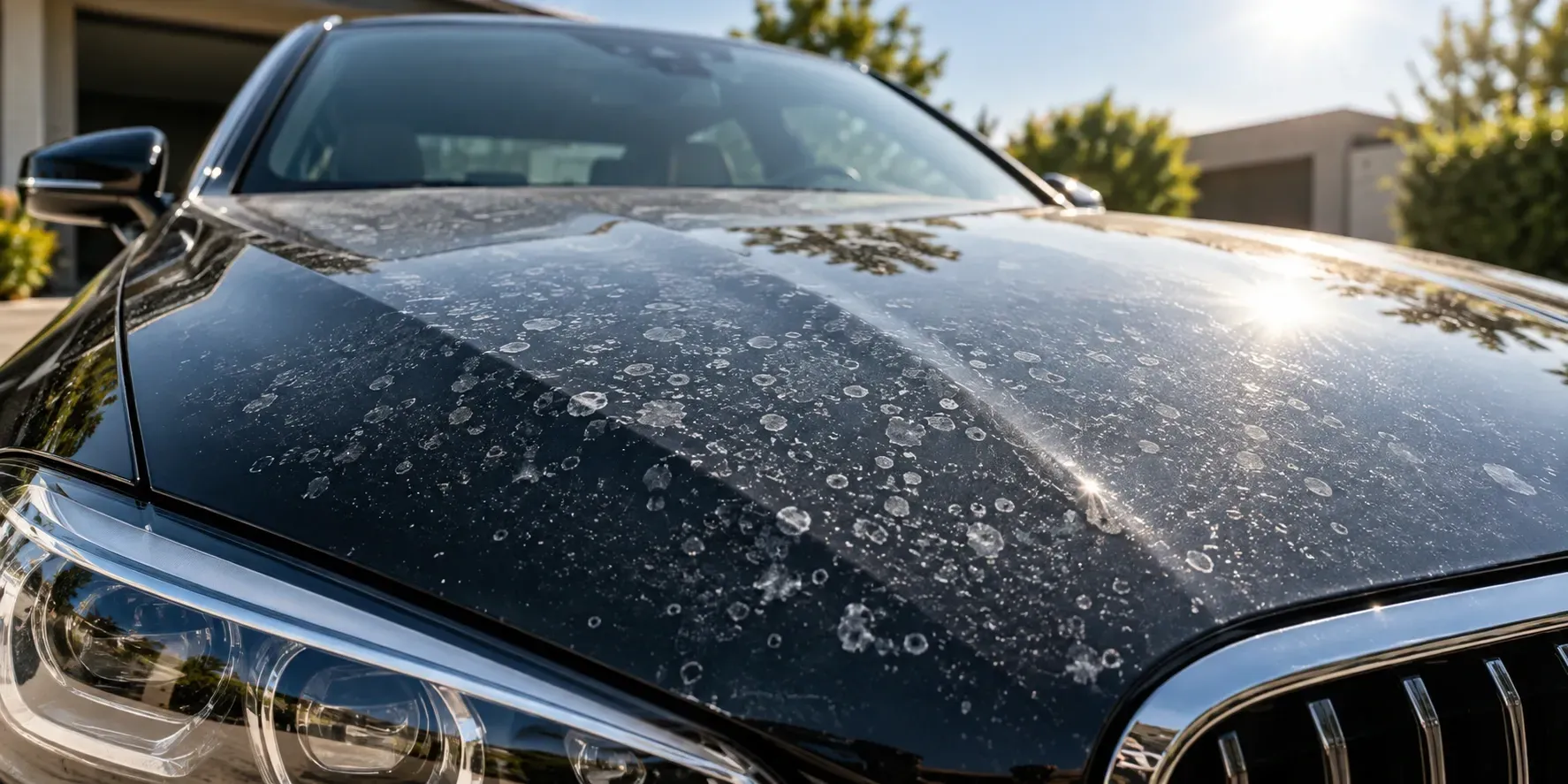
Las Vegas presents a unique microclimate that wages a constant war on automotive clear coats. The combination of intense ultraviolet radiation, fine alkaline dust from the Mojave Desert, and some of the hardest municipal water in the country creates a perfect environment for paint degradation. When mineral-heavy water dries under the Nevada sun, it leaves behind stubborn calcium deposits. When combined with abrasive sand particles blown across the valley, a simple wash can quickly turn into a costly mistake resulting in swirl marks and etched paint. Understanding the chemical composition of these local elements is the first step in properly maintaining a high-value vehicle. Las Vegas dust contains sharp silica particles. If you run a dry microfiber towel across a dusty hood, you are effectively sanding your own clear coat. Furthermore, the local water supply carries massive amounts of dissolved solids. When a rogue sprinkler hits your car in Henderson or Summerlin, the moisture evaporates rapidly. The remaining minerals physically bond to the paint surface. Over time, these alkaline deposits will eat through the clear coat and cause permanent damage. Automated drive-through washes exacerbate the problem. These facilities typically rely on recycled water that still contains trace minerals. They also utilize heavy friction brushes that trap desert sand from previous vehicles. As those brushes spin against your car, they inflict thousands of microscopic scratches. This diminishes the gloss and leaves the vehicle looking dull. For luxury car owners, RV enthusiasts, and busy professionals who want to preserve their investment, specialized care is an absolute necessity.
By John Constantine May 7, 2026
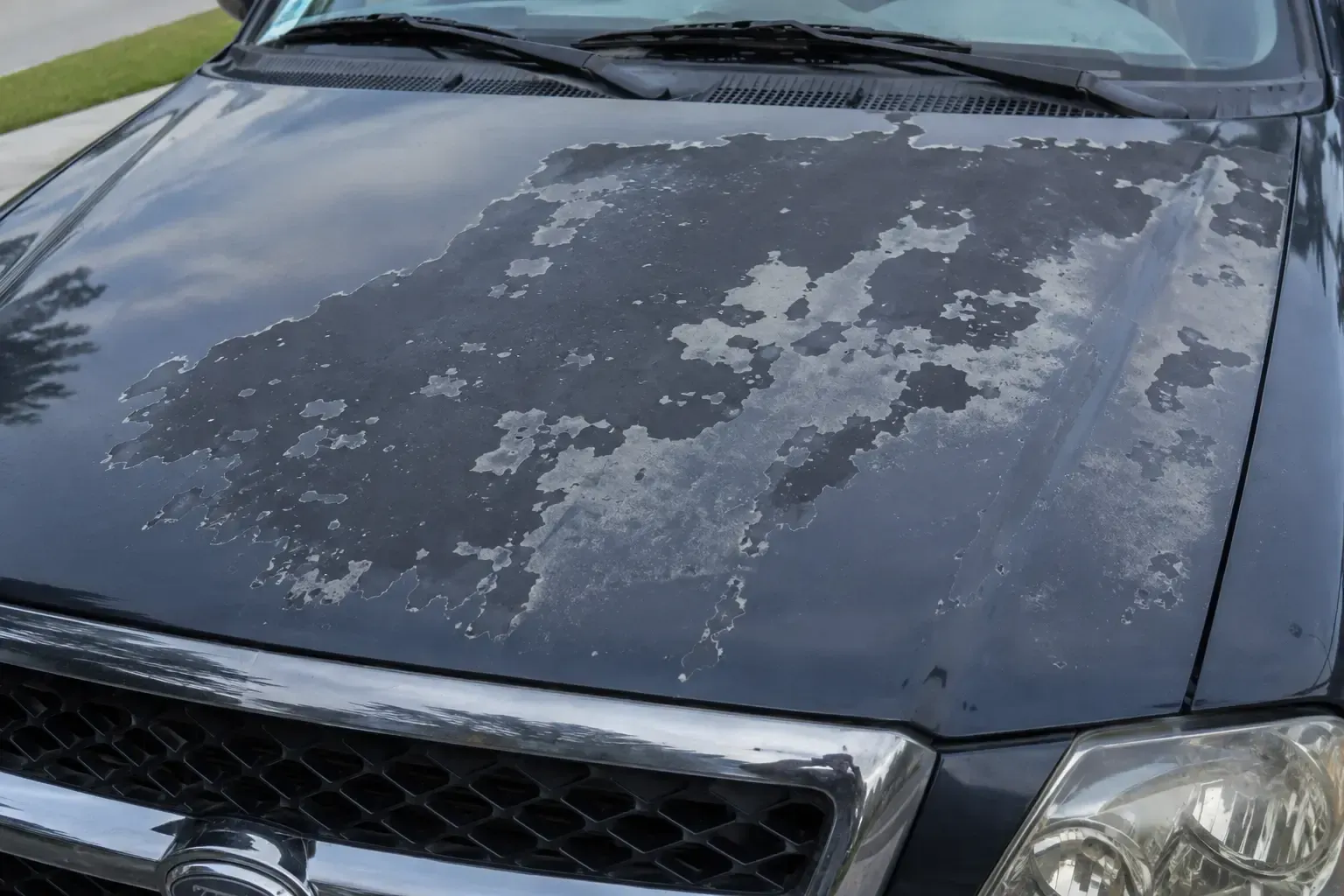
Living in Southern Nevada requires specific adjustments. You learn to stay hydrated, you understand how to navigate the heat, and you quickly realize that the environment is relentlessly harsh on your property. Your vehicle takes the brunt of this environmental abuse. Every single day your car sits outside, a combination of intense ultraviolet radiation, alkaline dust, and mineral-heavy water works systematically to degrade its exterior finish. Most vehicle owners only notice the damage when it becomes severe. They see the clear coat peeling on the roof or notice that their once-glossy hood now looks cloudy and dull. By the time this level of visible failure occurs, preventative measures are no longer an option.  The only remaining fix is a highly expensive trip to a body shop for a complete respray. However, this worst-case scenario is entirely preventable. Understanding the specific environmental threats in our region and applying the correct preventative maintenance strategies will keep your vehicle looking pristine for years.
By John Constantine May 3, 2026
Nothing ruins the look of a perfectly maintained vehicle faster than a highly visible scratch on the clear coat. Whether the damage happened in a crowded casino parking garage, from a careless shopping cart, or due to loose gravel kicked up on the I-15 freeway, paint damage is a constant and frustrating reality for drivers living in Las Vegas NV. Many vehicle owners assume a minor blemish will simply wash away with their next cleaning, but true surface damage always requires specialized mechanical attention. At Summerlin Mobile Carwash , we see firsthand how the harsh desert environment accelerates paint degradation when scratches are left untreated. A compromised clear coat allows UV rays and contaminants to penetrate the finish. Addressing these imperfections promptly is the only way to prevent larger structural issues like clear coat failure, oxidation, and eventual rust.
More Posts